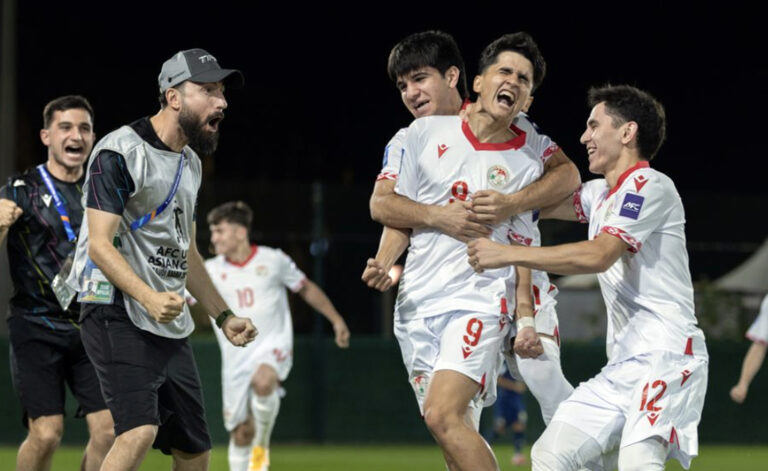


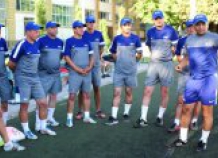
Мураббиёни футболи Тоҷикистон дар давраи минтақавии омӯзишӣ (курсҳо)-и мураббиён-муаллимон (инструкоторон)-и Конфедератсияи футболи Осиё (КФО), ки рӯзҳои 2-11-уми июл дар шаҳри Тошканд баргузор шуд, ширкат варзиданд.
Бино ба иттилои Федератсияи футболи Тоҷикистон, дар ин давраҳои омӯзишӣ 13 мураббиён аз Тоҷикистону Ӯзбекистон ва Қирғизистон, ки дорои иҷозатномаҳои «В», «А» ва «PRO» мебошанд, иштирок карданд. Ба сифати муаллимони курс Ислом Аҳмедов (Ӯзбекистон), Лим Ким Чон (Малайзия), Тариқ ал-Баннаӣ (Кувайт) ва Ҳорун ал-Бартаманию (Уммон) фаъолият намуданд.
Тоҷикистонро дар ин давраи омӯзишӣ сармураббии дастаи футзали Тоҷикистон Ҳусейн Шодиев, мураббии дарвозабонони дастаи мунтахаб Амоншо Саодатсайров, сармураббии дастаи мунтахаби занон Илдар Раҳмонов ва мураббии Мактаби ҷумҳуриявии маҳорати олии варзишӣ Валӣ Эгамбердлиев намояндагӣ карданд.
Бо анҷоми давраи омӯзишӣ иштирокчиён имтиҳоноти назариявӣ ва амалӣ супурда, ба сертификатҳои махсуси КФО соҳиб шуданд, ки ба онҳо ҷиҳати фаъолият кардан ба сифати муаллим (инструктор) барои мутахассисони маҳаллии кишварҳои худашон имкон медиҳад.