In a report released at a news conference in Dushanbe, the head of the Main Geology Directorate under the Government of Tajikistan, Zarobiddin Fayzullozoda, revealed on January 29 that works on exploration of radioactive raw materials are being carried out in the country just for the purpose of studying mineral reserves.
“These works do not mean that Tajikistan plan to resume production of uranium,” Fayzullozoda said, noting that works on exploration of radioactive raw materials in Tajikistan began in 2012.
According to him, the International Atomic Energy Agency (IAEA) has taken an interest in those works.
“In late 2014, IAEA representatives visited Tajikistan to get acquainted with the results of exploration of radioactive raw materials in the country,” Tajik chief geologist told reporters.
Recall, the International Atomic Energy Agency (IAEA) and partners including the European Commission (EC) and the European Bank of Reconstruction and Development (EBRD) in September last year signed a joint commitment on coordinating efforts to achieve the safe and sustainable environmental remediation of Uranium Legacy Sites (ULS) in Central Asia, in accordance with a new Strategic Master Plan (SMP).
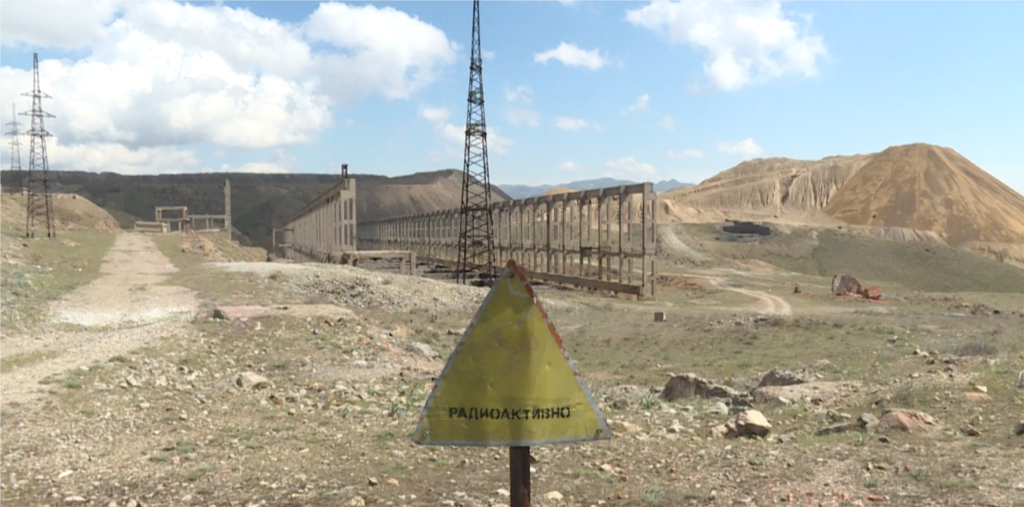
Uranium mining and processing were prevalent in Central Asia from the mid-1940s to the 1990s, when planning for end-of-life management was not common. As a result, residues of radioactive and toxic contaminants pose ongoing threats to the health and the livelihood of people in the region, as do abandoned mines and processing infrastructure.
In Tajikistan, uranium and graphite was formerly exploited by the Soviets in the northern Sughd province, but this industry has now diminished. At its peak, the industry reportedly produced approximately 170 tons of waste rock annually. The State Enterprise “Eastern Combine for Rare Metals” (IA Vostokredmet) has estimated that Tajikistan still has some 55 tons of uranium reserves remaining.