Tajikistan does not plan to resume production of uranium, says Tajik chief geologist

In a report released at a news conference in Dushanbe, the head of the Main Geology Directorate under the Government of Tajikistan, Zarobiddin Fayzullozoda, revealed on January 29 that works on exploration of radioactive raw materials are being carried out in the country just for the purpose of studying mineral reserves. “These works do not  […]

Asia-Plus

In a report released at a news conference in Dushanbe, the head of the Main Geology Directorate under the Government of Tajikistan, Zarobiddin Fayzullozoda, revealed on January 29 that works on exploration of radioactive raw materials are being carried out in the country just for the purpose of studying mineral reserves.

“These works do not  mean that Tajikistan plan to resume production of uranium,” Fayzullozoda said, noting that works on exploration of radioactive raw materials in Tajikistan began in 2012.

According to him, the International Atomic Energy Agency (IAEA) has taken an interest in those works.  

“In late 2014, IAEA representatives visited Tajikistan to get acquainted with the results of exploration of radioactive raw materials in the country,” Tajik chief geologist told reporters.  

Recall, the International Atomic Energy Agency (IAEA) and partners including the European Commission (EC) and the European Bank of Reconstruction and Development (EBRD) in September last year signed a joint commitment on coordinating efforts to achieve the safe and sustainable environmental remediation of Uranium Legacy Sites (ULS) in Central Asia, in accordance with a new Strategic Master Plan (SMP).

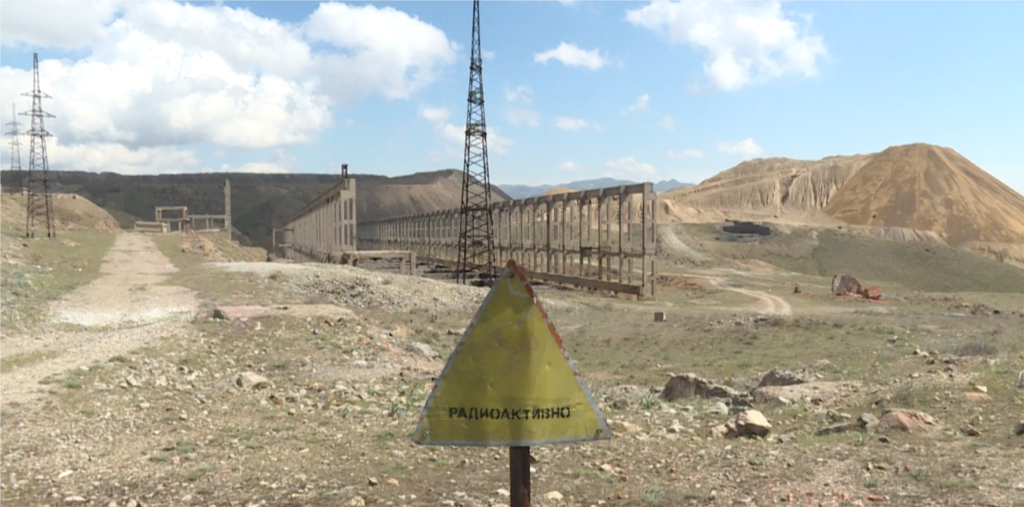
Uranium mining and processing were prevalent in Central Asia from the mid-1940s to the 1990s, when planning for end-of-life management was not common.  As a result, residues of radioactive and toxic contaminants pose ongoing threats to the health and the livelihood of people in the region, as do abandoned mines and processing infrastructure.

In Tajikistan, uranium and graphite was formerly exploited by the Soviets in the northern Sughd province, but this industry has now diminished.  At its peak, the industry reportedly produced approximately 170 tons of waste rock annually.  The State Enterprise “Eastern Combine for Rare Metals” (IA Vostokredmet) has estimated that Tajikistan still has some 55 tons of uranium reserves remaining.

Article translations:

Related Article

Оби зулол

Most Read

Join us on social media!

Recent Articles

Mudflows and dust storms expected in Tajikistan

Citizens are urged to protect themselves from dust.

Russia doubles temporary stay duration for truck drivers from CIS and Georgia

Tajik drivers will have their term increased from 90 to 180 days a year.

How a guide dog project could help people with visual impairments in Tajikistan

In Tajikistan, there is an enthusiast who can build such a school, but he urgently needs help, primarily financial.

Wildberries opened access to the platform for all sellers from Tajikistan

Now local brands, manufacturers, and individual entrepreneurs can enter the largest online platform and expand their sales market.

CMWP Uzbekistan: The boutique hotel market in Tajikistan shows the fastest growth in the region

Such hotels in the republic offer their guests a high level of comfort and convenience.

Emomali Rahmon signs decree on increasing salaries and paying bonuses to IT sector workers

The document provides for the creation of a new incentive system for specialists in the field of information technology.

Not advertising, but influence: what was discussed at IMPACT Creative Night and why businesses need meaning today

Today, audiences trust direct advertising less and less, which means brands have to compete not for attention, but for trust and a place in the agenda.

Russia extends the experiment on collecting biometrics from foreigners

The decision was justified by the necessity of gradually modernizing all border crossing points.

“Convenient, affordable, and cheap”: Dushanbe residents speak out on raids against shared taxis

They say that late at night buses and trolleybuses disappear from the streets, so cheap route taxis remain the only way for many to get home.