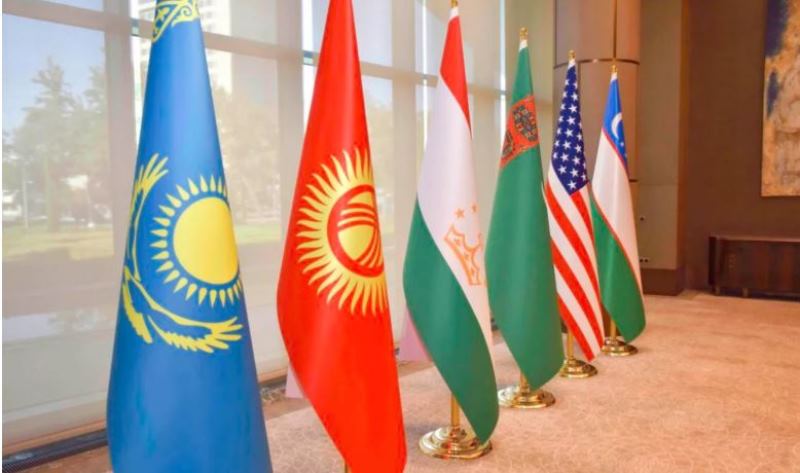
Eurasianet reports that when it comes to Eurasia, the Trump administration has acted quickly to reverse the foreign policy of its predecessor, underscored by moves to foster a rapid thaw in relations with Russia. But there is one Biden-era legacy that the Trump State Department seems intent on preserving, an initiative to increase US influence in Central Asia known as the C5+1 format.
The US Department of State reports that Secretary of State Marco Rubio on February 21 spoke with Uzbekistan Foreign Minister Bakhtiyor Saidov to underscore U.S. support for Uzbekistan’s independence, sovereignty, and territorial integrity. Secretary Rubio and Foreign Minister Saidov reportedly discussed continued cooperation, including through the C5+1 diplomatic platform, in support of a more peaceful and prosperous Central Asia. Secretary Rubio thanked Uzbekistan for its cooperation in curbing illegal migration and its joint counterterrorism efforts. The United States looks forward to working with Uzbekistan to highlight mutually beneficial opportunities for investment in critical minerals and U.S. civil nuclear energy technologies, according to the US Department of State.
In a statement posted on Telegram, the top Uzbek diplomat noted that Uzbekistan would work to expand bilateral ties “in all spheres without an exception,” focusing on “building strong bridges between business communities, increasing trade volume in both directions [and] ensuring prosperous development.”
Eurasianet notes that the main driver of US interest in Central Asia is the region’s abundant natural resources, not only oil and natural gas, but also minerals and rare earths used in high-tech devices and for clean energy and defense purposes.
A geographic consideration reportedly may also factor into the US policy calculus: Central Asian states sit on China’s western border, and an avowed aim of Trump’s second term is containing Chinese global economic influence.
According to Eurasianet, Uzbekistan and Kazakhstan are considered the lynchpin states within the C5+1 context.
The Rubio-Saidov discussion reportedly indicated that the United States will remain committed to backing Uzbek efforts to gain entry to the World Trade Organization.
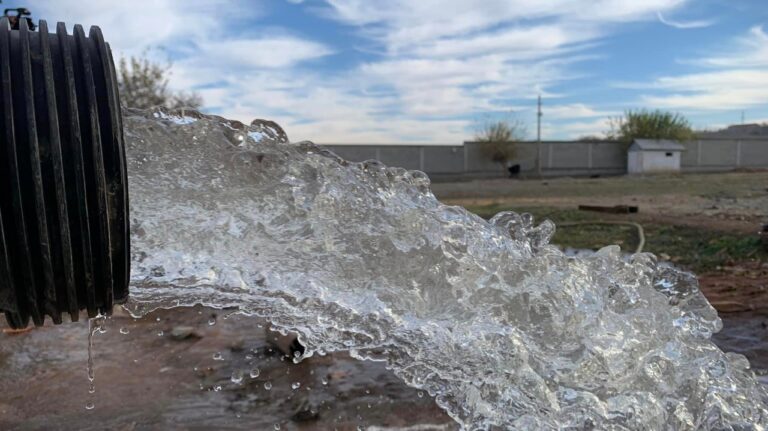
Meanwhile, Uzbekistan is taking the lead on regional efforts to engage the Taliban government in Afghanistan. Tashkent hopes that by pulling Afghanistan into a closer trade orbit with Central Asia, Uzbek officials and their counterparts from other regional nations can increase their negotiating leverage with the Taliban on matters of regional concern, in particular Afghanistan’s construction of the Qosh Tepa canal, a project that could upset Central Asia’s already delicate water resources balance.
A high-level Taliban delegation held trade talks in Tashkent on February 22 resulting in agreements covering railroad improvements, the creation of a free trade zone on the Uzbek-Afghan frontier, de-regulation of agricultural exports, mining and oil & gas development and a power transmission line project.