The leaders of most political parties in Tajikistan have expressed satisfaction with the results of the latest parliamentary elections in the country. Even those who did not secure any seats in parliament have not voiced objections.
The parliamentary elections, held on March 2, resulted in a landslide victory for the ruling People’s Democratic Party of Tajikistan (PDPT), which secured 49 out of 63 seats in the Majlisi Namoyandagon (Tajikistan’s lower chamber of parliament), two more than in the previous parliamentary term.
Even the losers are satisfied
Most political party leaders seemed pleased with the election results. Asia-Plus’s reporter, who attended the Central Commission for Elections and Referenda (CCER)’s briefing on March 3, noted the general satisfaction among party representatives.
During the announcement of the results, the First Deputy Chairman of PDPT and the Chairman of the Agrarian Party of Tajikistan (APT) were seen sitting together in a good mood.
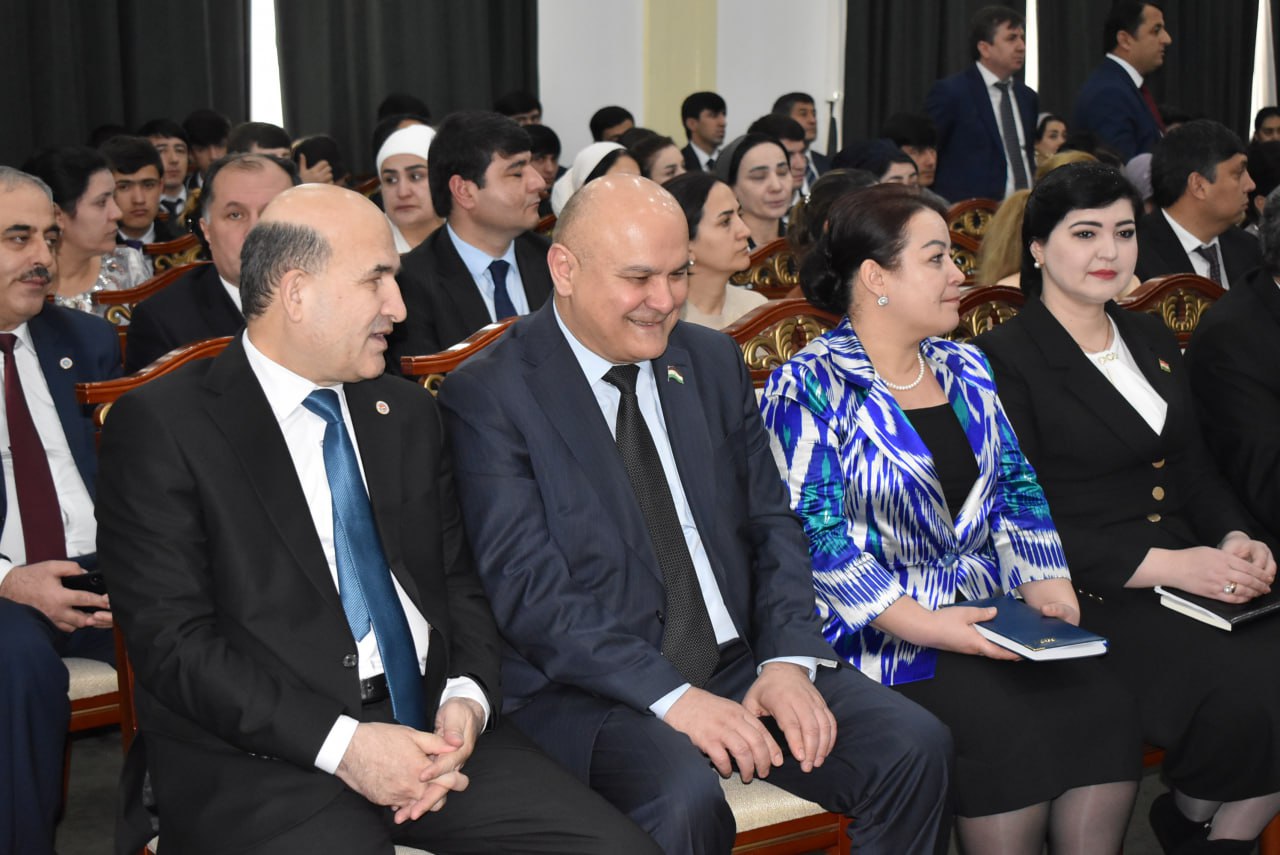
Maliksho Nematzoda, the First Deputy Chairman of the ruling party, appeared pleased with the complete victory and the improved results compared to previous elections. However, the Asia-Plus reporter was unable to speak with him or ask the pre-prepared questions that had remained unanswered even before the elections.
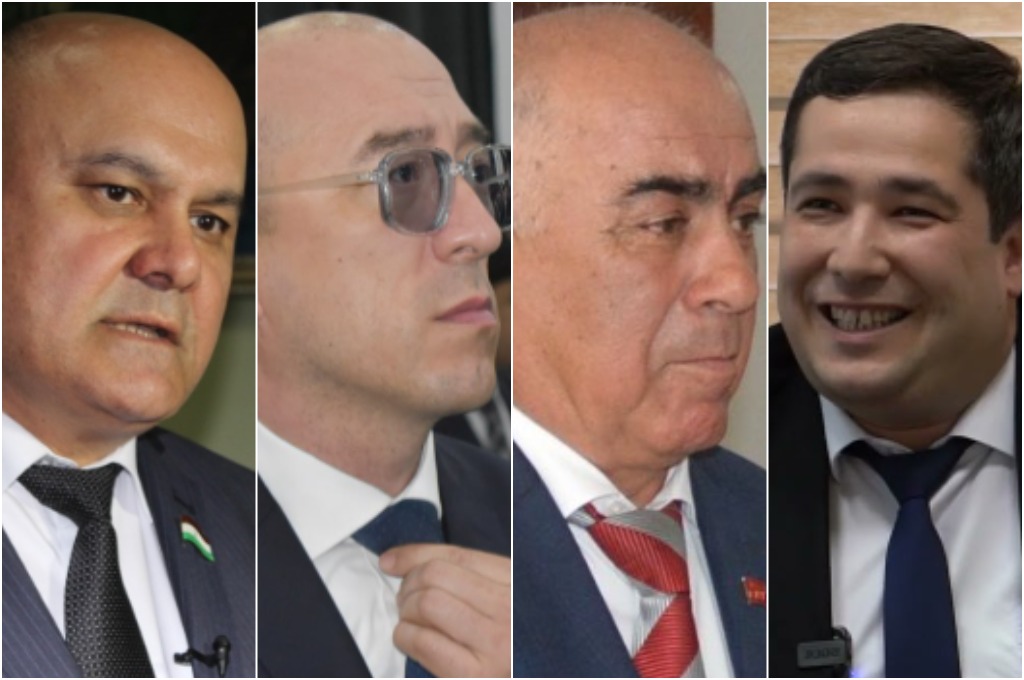
Rustam Latifzoda, the Chairman of the APT, which secured 7 seats, did not hide his satisfaction. “This is the will of the people; we respect and accept it. This increases our responsibility to the voters, and we must work even harder,” he said.
Before the elections, Latifzoda had told Asia-Plus that his goal was to secure as many parliamentary seats as possible. However, his party maintained the same 7 seats it had won five years ago. Despite this, he noted that “the elections were well-organized, and the results can be assessed positively.”
The newly elected Chairman of the Socialist Party of Tajikistan (SPT), Ghulom Halimov, whose party won one seat, was also optimistic: “We expected to receive more votes, but nonetheless, this result is a significant achievement, and we are satisfied.”
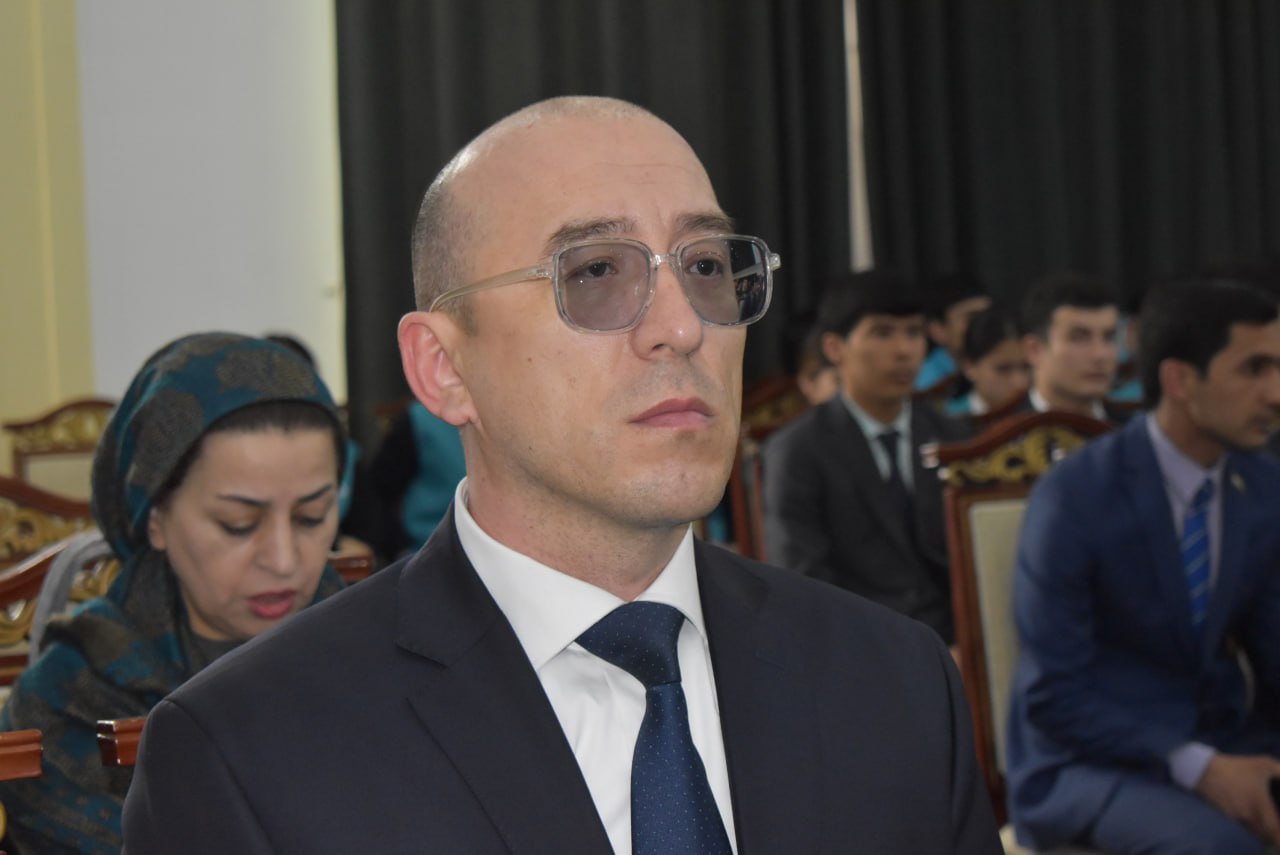
Halimov was elected to head the Socialist Part of Tajikistan six months ago.
Shahboz Abror, the Chairman of the Democratic Party of Tajikistan (DPT), which also won one seat, viewed the outcome as satisfactory:
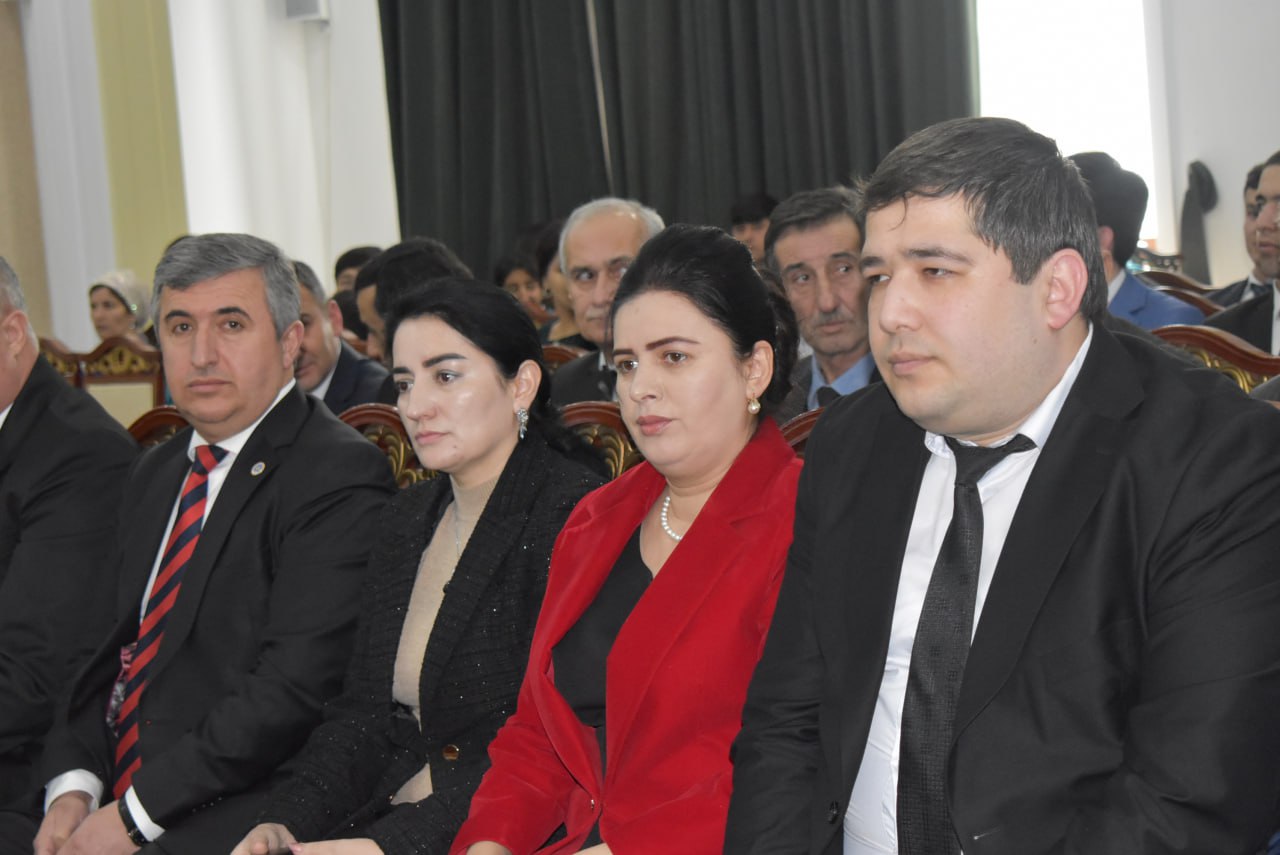
“Although we expected more, given the real situation in our party, one seat is a good result. This experience will help us work more actively and effectively in future elections.”
Miroj Abdulloyev, the Chairman of the Communist Party, which suffered a total defeat and lost its previous two seats, did not voice any objections. He only expressed a wish that his party had been given "at least one seat in parliament."
The leader of the Party of Economic Reforms of Tajikistan (PERT), Ghiyosiddin Ashourzoda, whose party won 5 seats, did not communicate with Asia-Plus before or after the elections, so his thoughts on the election process and results remain unknown.
Election results in numbers
On March 3, Bakhtiyor Khudoyorzoda, the Chairman of the Central Commission for Elections and Referenda, announced the preliminary results:
- Out of 5.52 million eligible voters, 4.71 million participated, reflecting a turnout of 85.3%.
- The People’s Democratic Party (PDPT): 2,435,541 votes (51.9%) – 49 seats
- The Agrarian Party: 986,887 votes (21%) – 7 seats
- The Party of Economic Reforms: 595,281 votes (12.7%) – 5 seats
- The Democratic Party: 237,536 votes (5.1%) – 1 seat
- The Socialist Party: 248,064 votes (5.3%) – 1 seat
- The Communist Party: 89,738 votes (1.9%) – 0 seats
Additionally, 50,895 voters cast their ballots against all political parties.
For the first time, the Communist Party of Tajikistan failed to win any seats in parliament.
The Social-Democratic Party of Tajikistan, the only Tajik party to explicitly oppose President Emomali Rahmon, did not participate in the elections and has not explained its reasons for withdrawing. In previous elections, the party participated but never secured any parliamentary seats.