Water availability per capita in Central Asia has decreased more than threefold over the past 40 years, from 8,400 to 2,500 cubic meters annually, making water scarcity one of the main threats to the region's economic development, warn experts from the international think tank New Lines Institute.
In its report published in February 2026, New Lines Institute warned: “Water scarcity is becoming one of the key threats to the economic development and stability of Central Asia.”
The authors emphasize that no country in the region will be able to handle the crisis alone and call for the creation of a comprehensive regional water resource management mechanism.
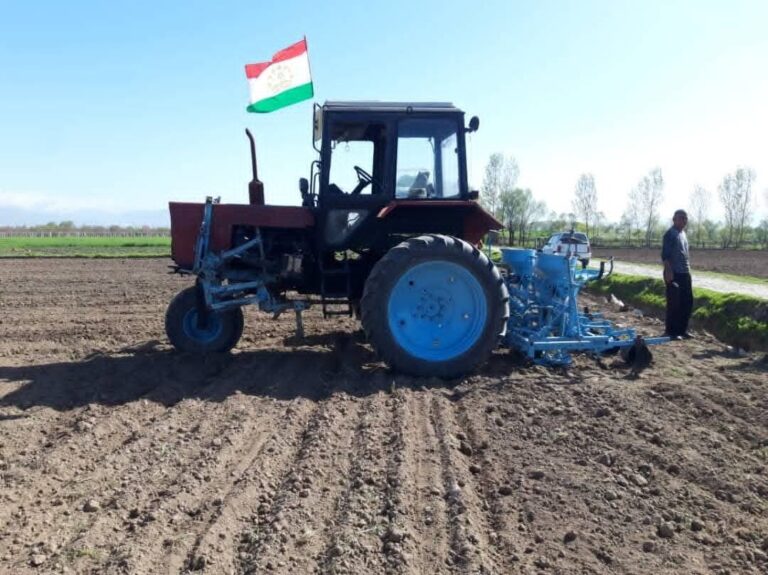
The report states that the region's water resources are rapidly declining due to climate change and the melting of glaciers in the Tien Shan and Pamir mountains. Additionally, outdated and inefficient irrigation systems exacerbate the situation, with experts estimating that up to 40% of water is lost. Around 80% of the region's water continues to be used for agriculture, making the agricultural sector and food security particularly vulnerable.
Pressing concerns for water resources
A separate section of the report focuses on the growing pressure on water resources. The population in the region is increasing, while governments are launching modernization programs often targeting water-intensive industries, such as manufacturing, energy, mining, and digital technologies. The authors directly warn that without comprehensive planning, these ambitions could worsen the water deficit and increase risks to the economy.
A major issue highlighted by experts is the transboundary nature of water resources. The region's main rivers, the Amu Darya and Syr Darya, flow through multiple countries, and tensions between upstream and downstream nations have already led to conflicts. The report emphasizes that without coordinated water management rules, these risks will only grow.
The "human dimension" of the crisis
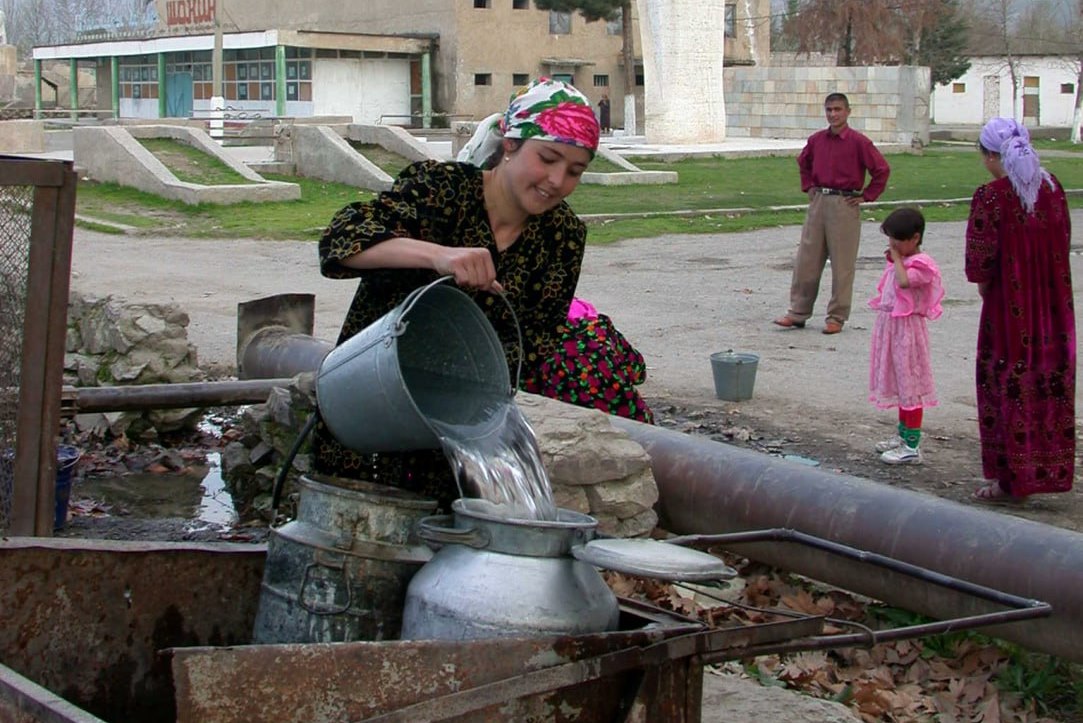
The authors also point out the "human dimension" of the crisis. In upstream countries such as Tajikistan and Kyrgyzstan, a significant portion of the rural population faces challenges accessing safe drinking water. In Tajikistan, less than a third of rural households have reliable access to safe water, while in Kyrgyzstan, nearly half of rural settlements lack reliable water supply.
A new emerging risk factor in the report is Afghanistan. Experts call on international partners to support the efforts of Central Asian countries to involve Afghanistan in a unified water resource management mechanism in order to reduce uncertainty around the use of transboundary rivers.
Recommendations for a regional approach
The key recommendation from the authors is to shift from fragmented measures to a regional "architecture" for water management. They propose preparing a new comprehensive agreement on water and energy, creating a unified regional body responsible for implementing agreements and targets. The report also suggests improving management efficiency by merging existing institutions into a single comprehensive organization with a permanent secretariat and clear decision-making rules.
The authors stress that previous mechanisms lacked effective enforcement tools, so the new approach should include oversight and sanctions for non-compliance.
Finally, the report underscores the role of external partners. The authors urge the international community to assist Central Asia with practical support — investments, technology, and expert assistance — to modernize irrigation systems and water management, as the region's countries lack the resources for swift reforms.
The bottom line
In conclusion, New Lines Institute states: "Water scarcity in Central Asia cannot be fixed by each country acting separately — a unified set of rules, a single management system, and support for reforms are necessary. Without these, the risks to the economy, social stability, and regional security will continue to grow."
Water crisis in Central Asia by the numbers
· 80% of all water in the region is used for agriculture.
· 40% of water is lost due to outdated irrigation systems.
· 80% of glaciers could disappear with a 4°C rise in temperature.
· 8,400 → 2,500 m³ — decline in per capita water availability in Central Asia over the past 40 years.
· 1,700 m³ — level of chronic water deficit by 2030.
· 92% — loss of water volume in the Aral Sea.
· 8%–20% — possible reduction in the flow of the Amu Darya due to the Qoshtepa canal.
· 5 million people — risk of climate-induced migration in the region in the next 25 years.