In 2021, “Asia-Plus” wrote about an interesting initiative needed by the society of Tajikistan – a guide dog school. The current status of this startup was shared by its author, Shuhrat Ulmas.
If not for the system
Today, Shuhrat is a retiree from the Ministry of Internal Affairs. He left after submitting a report for retirement.
“At that time, being a police colonel, I headed the Canine Management Center of the Ministry of Internal Affairs. In December 2021, by the decision of the Ministry’s board, I was relieved from my position. The reason was that I held this position for a long time — 17 years. Meanwhile, the personnel were instructed to appoint me to another equivalent operational position. However, I was actually offered a position that was significantly below the previous one — about 4 levels lower. I refused such an appointment. Afterwards, I remained at the Ministry’s disposal for 3 years but did not receive a new appointment,” he says.
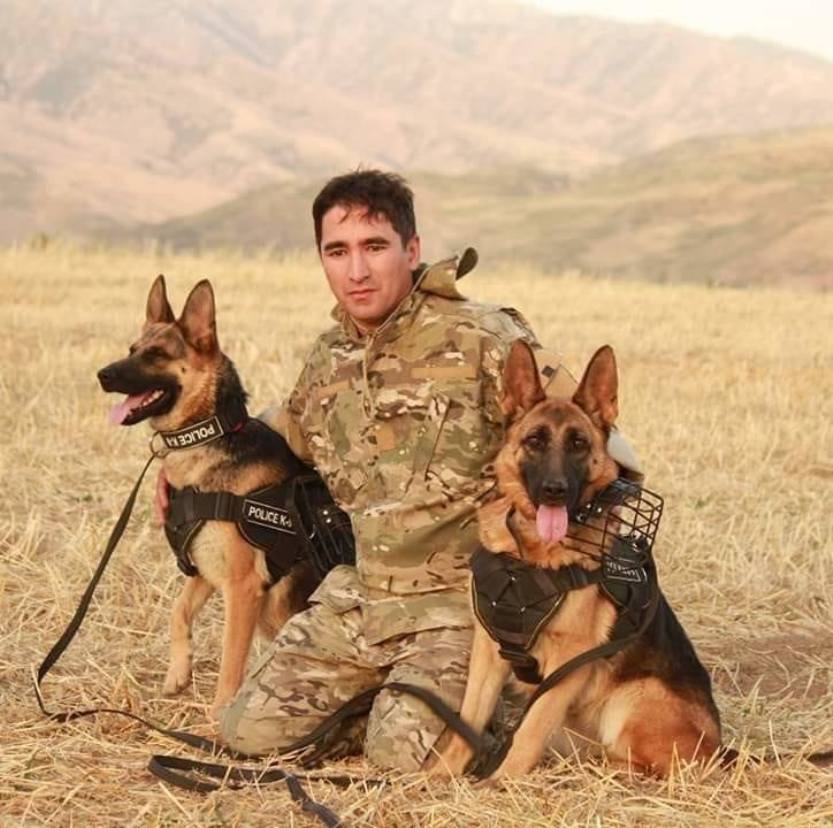
“Now I continue to engage in cynology privately — at home and at my summer house. I have several dogs I work with, studying their behavior, developing and implementing new methods of training, as well as adapting dogs to life in a family and society. As for the guide dog project — it remains relevant to me. If a real partner or investor appears, I am ready to return to its implementation and continue working in this direction,” shares Shukhrat.
What is a guide dog school?
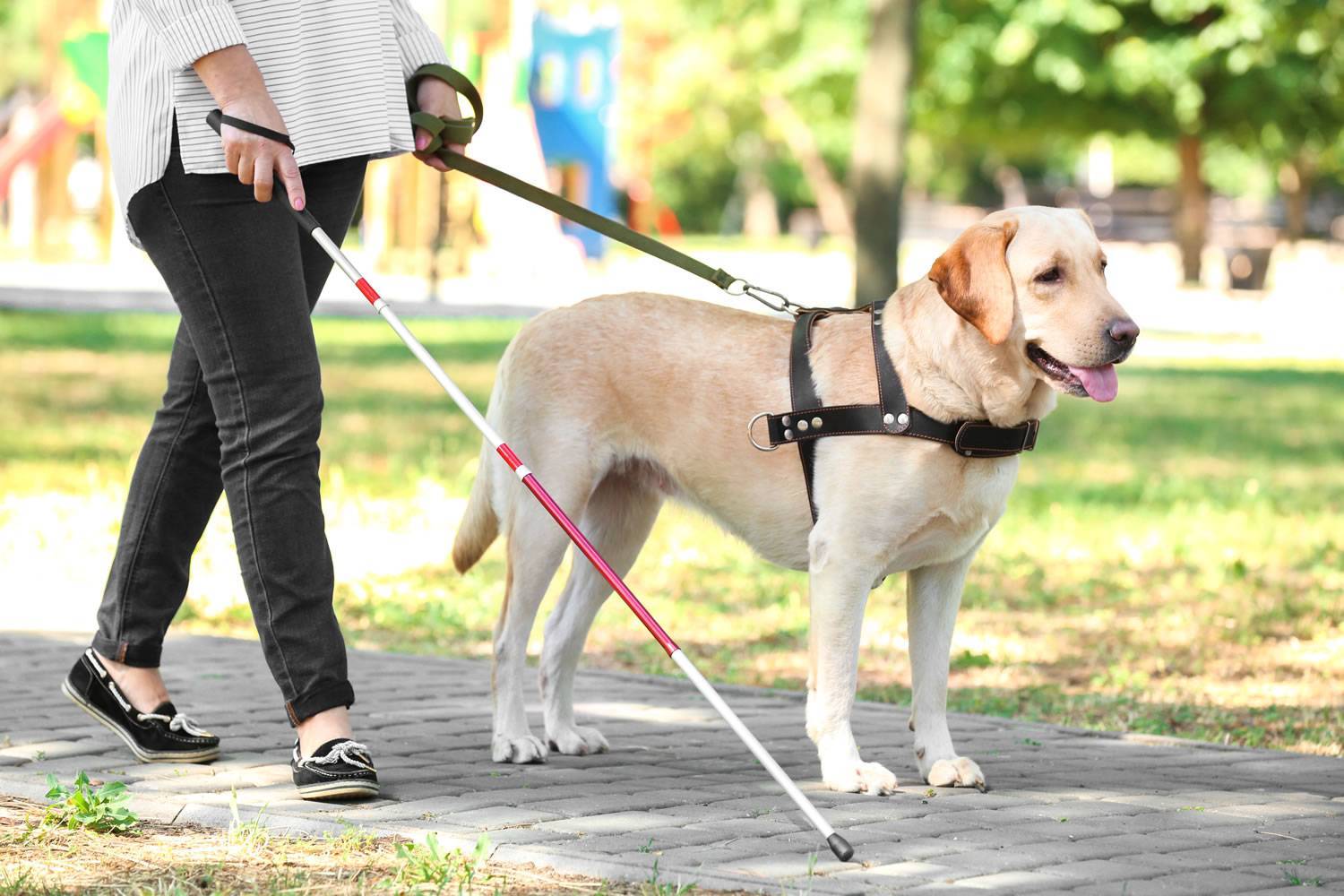
A guide dog school is a specialized institution that trains dogs to play an important role in the lives of people with disabilities, especially those with visual impairments. Dogs undergo training to learn how to navigate spaces, avoid obstacles, and help their owner move safely through streets and public places.
The training includes various commands and tasks that dogs perform with a high degree of accuracy and trust in their owner, providing them with independence and safety in everyday life.
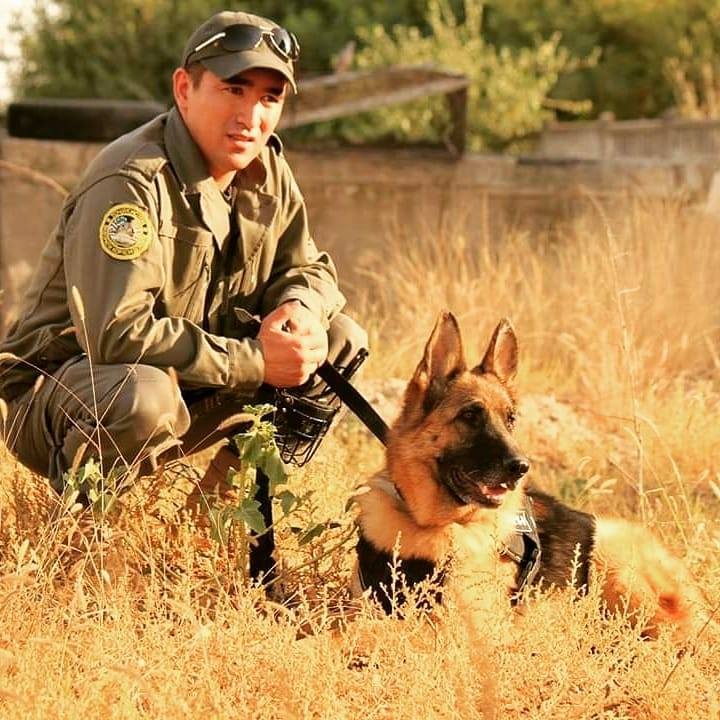
For Tajikistan, according to Shuhrat Ulmas, this topic remains relevant and very important. The guide dog project has significant social importance as it aims to support visually impaired people and their full integration into society.
“Unfortunately, it has not been possible to fully implement it yet, primarily due to the lack of necessary resources, systemic support, and partners. However, the idea itself has not lost its significance, and the need for such initiatives in our country remains high.
I believe it is important to raise this issue again, draw the attention of society and relevant structures to the existing problems, and seek opportunities for the project’s implementation,” says Shukhrat.
What should a guide dog be like and what should it be able to do?
According to the cynologist, even a simple, non-pedigree dog with a height from the withers of 45 to 52 centimeters can be trained as a guide. It is more important to consider its temperament, and there are 5 types in dogs: strong leader, leader, obedient, very obedient, and independent.
— “For a guide, ‘obedient’ is the best fit,” says the specialist. — “A ‘leader’ is also suitable, but in this case, the character of the person who will keep the dog must be considered.”
To determine a dog’s temperament, it is tested at a puppy age. The test is called the “Campbell Test” and is conducted by a person the dog is completely unfamiliar with.
The Campbell Test can determine how trusting the dog is towards people and whether it is inclined to obedience.
A guide dog should be able to do more than just fetch slippers, for example, but also remove items from the path of a visually impaired person that they might trip over, and also apply ZKS (Protective and Guard Service): the dog alerts to danger, the person takes a certain position, and the dog walks around – guarding.
What should the school be like?
As Shukhrat explained, by world standards, dogs should be kept in apartment-type conditions. A kennel should not be thought of as a cramped cage in the yard, but as a spacious room with glass through which a potential client can see the dog.
The school’s territory should be very spacious so that the dogs have a place to walk. Ideally, a veterinary clinic should be located there as well, so that animals can receive timely assistance.
Problems in the field
Back in 2021, Shukhrat Ulmas outlined several barriers to creating such a school. The main barrier is the local mentality. People do not always understand how to treat a dog: it is not just about walking and feeding, as many believe, notes the specialist.
A dog is not just some servant that must only follow commands.
Other problems include lack of funding, documentation, and a shortage of necessary staff.
Why are such schools needed?
Guide dog schools are not uncommon worldwide. The most authoritative international body in this field — International Guide Dog Federation (IGDF) — unites about 100 member organizations from around 34 countries, each training guide dogs and providing them to people with visual impairments.
Such schools operate in Europe, the USA, and Canada, South America, Japan, South Korea, and more.
The benefits of such schools are obvious. A guide dog helps a visually impaired person navigate spaces, move confidently down the street, cross roads, avoid obstacles, and manage daily life tasks without the help of others. This is especially relevant for people who have to live alone with their problem. It also relieves some of the burdens of care on their relatives, if they are nearby.
Moreover, a special relationship and bond develop between the dog and its owner, which helps the visually impaired person emotionally.