

The history of the Dushanbe Zoo is primarily a story about how an ambitious Soviet project turned into a modern drama of humanism and responsibility.
It was opened in 1961 on a green oasis, which in those years was located where Ismoil Somoni Avenue is now. In the post-war years, the zoo was a symbol of prosperity – various animals were brought here from all over the USSR. Old-timers still remember the hippos and elephants.
The darkest pages in the zoo’s history began in the 1990s when the civil war and economic crisis in the country threatened the survival of its inhabitants. At that time, the zoo survived on the enthusiasm of its staff, who literally shared their bread with the animals. It was then that the collection significantly dwindled, and some species were lost forever.
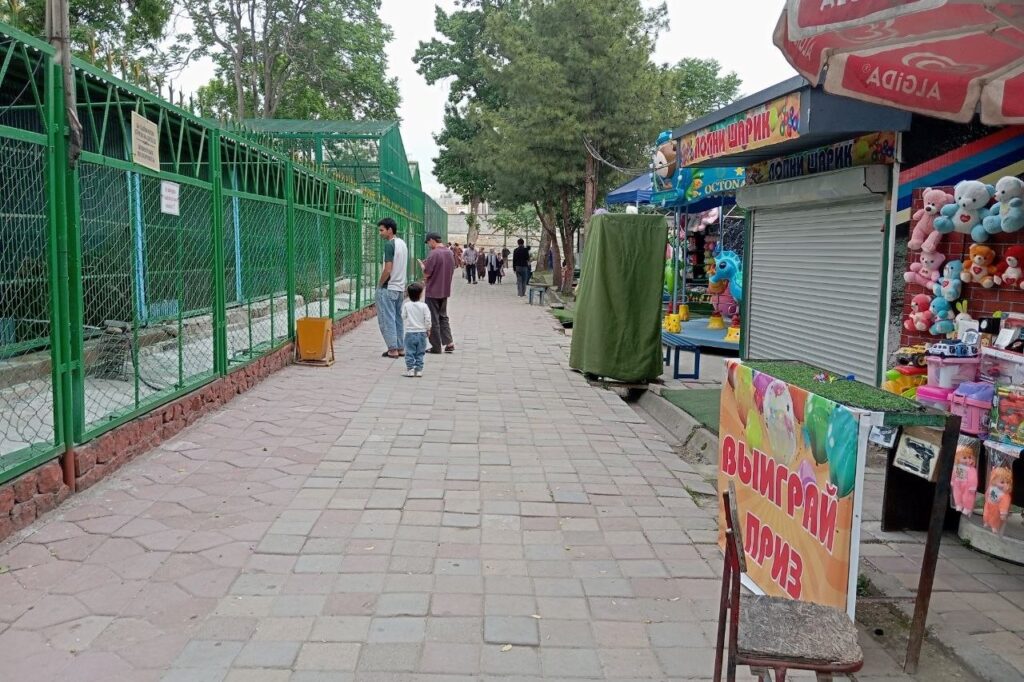
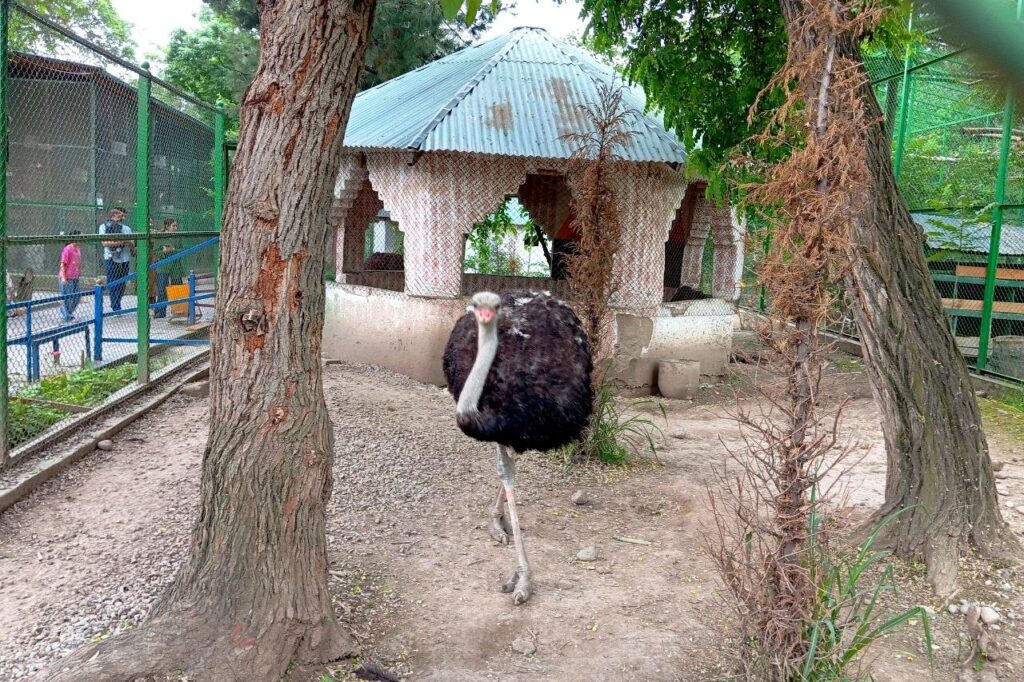
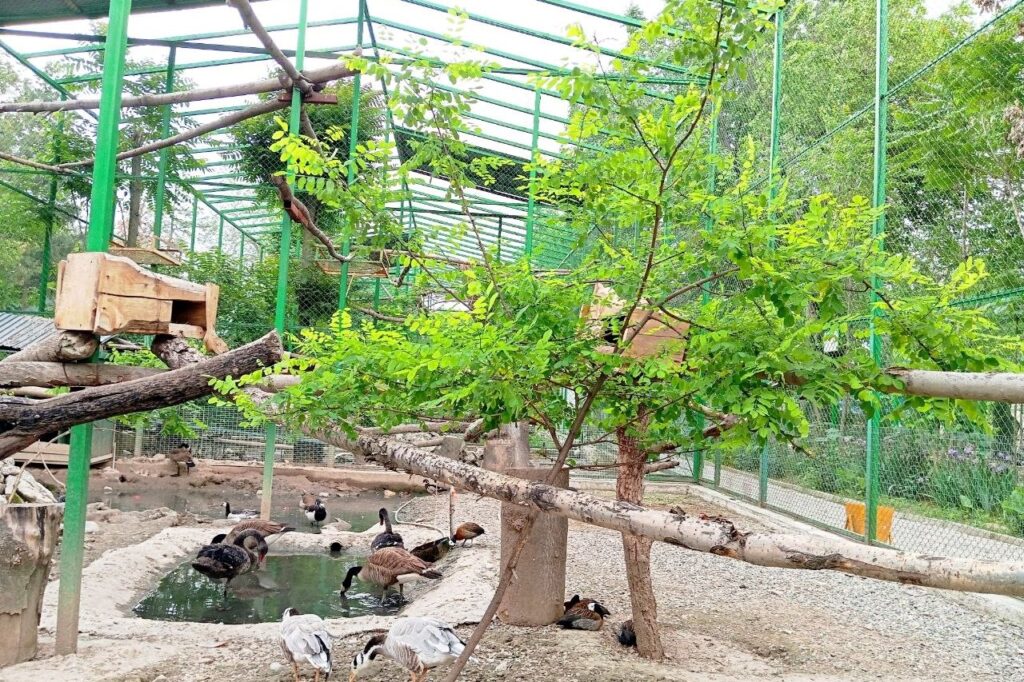
Today, the Dushanbe Zoo is a topic that sparks discussion in society. Some people happily bring their children here, while others demand to close this concentration camp for animals and release them into the wild. Or at least transfer the zoo to another country that meets modern standards for keeping wild animals in captivity. By the way, domestic animals and birds also live here, and they are somewhat luckier in terms of conditions.
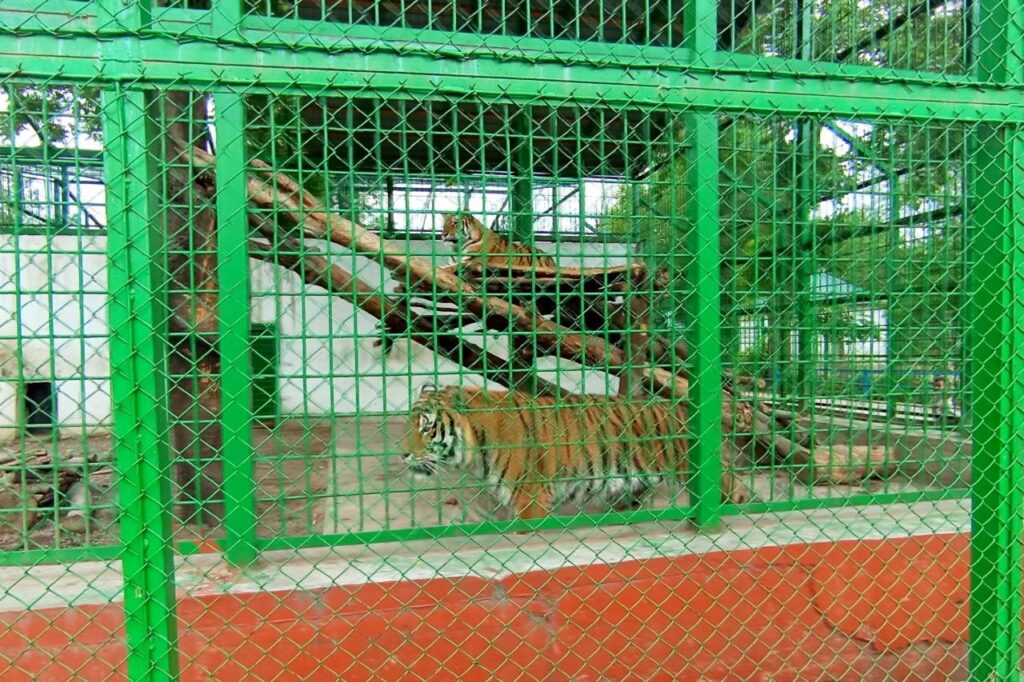
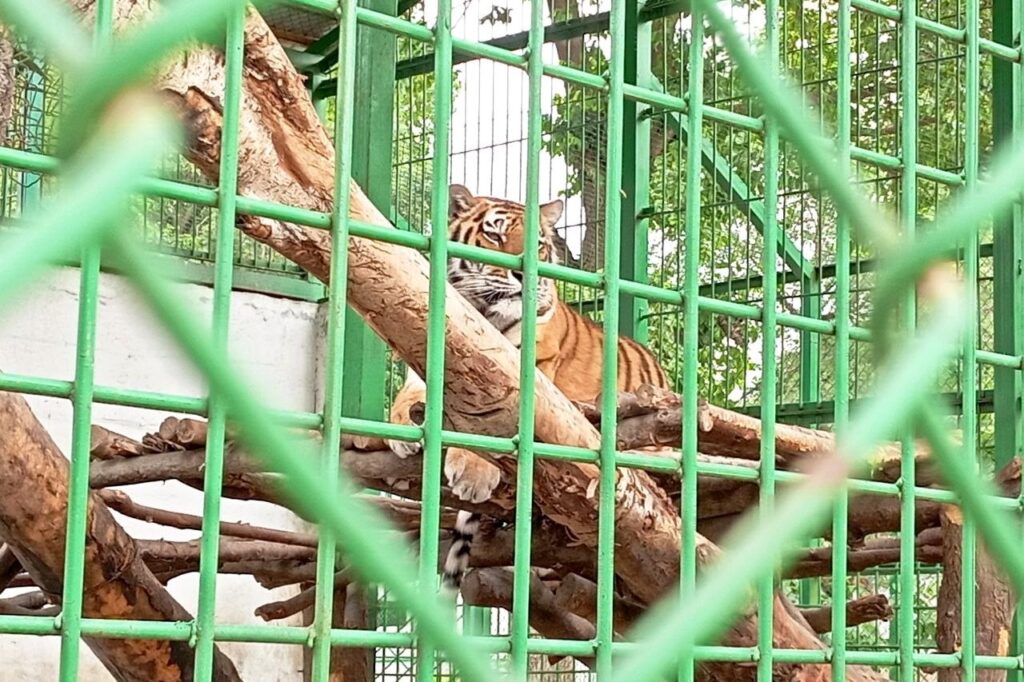
Among the predatory inhabitants, only the tigers currently live in a spacious enclosure, more or less adapted to their needs. Bears, lions, and wolves continue to live like prisoners condemned for serious crimes. In similar conditions live a pair of dogs – perhaps they were simply given shelter for security purposes.
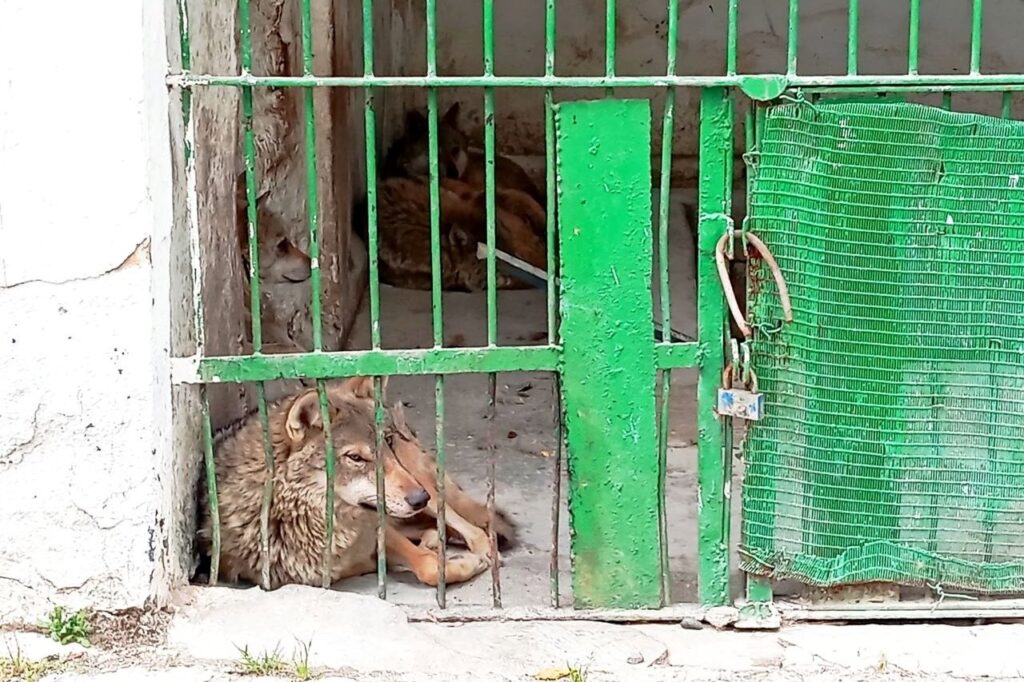
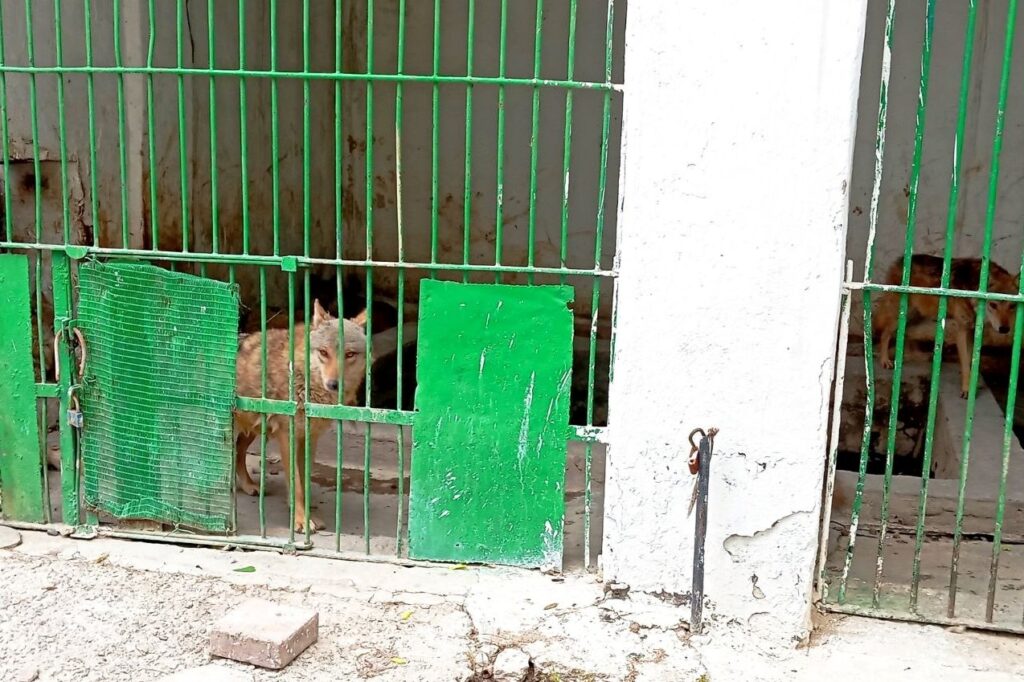
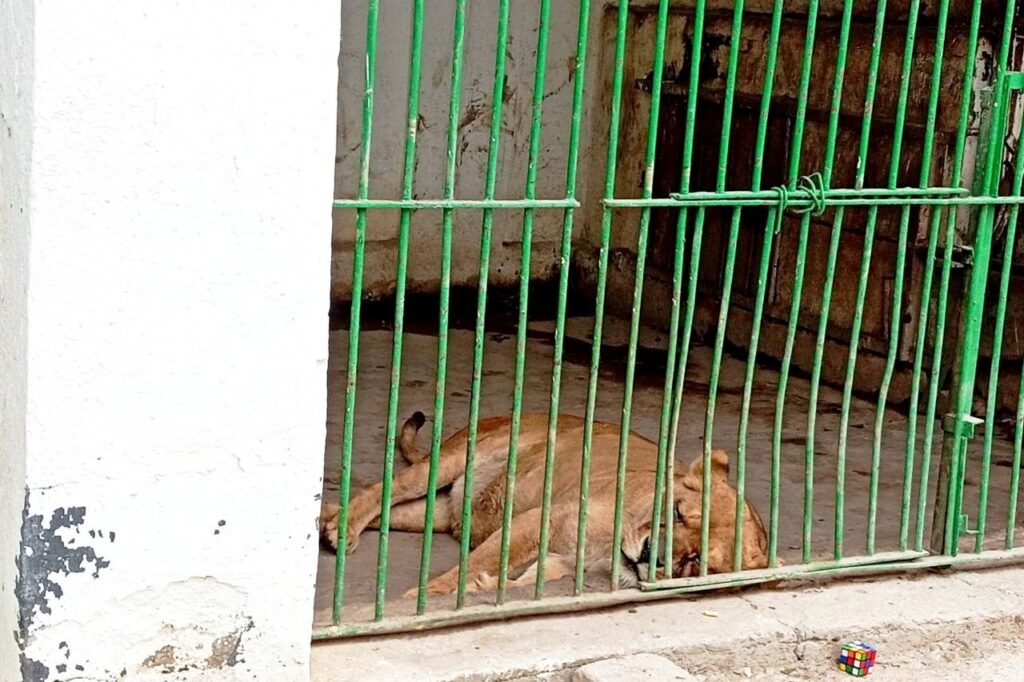
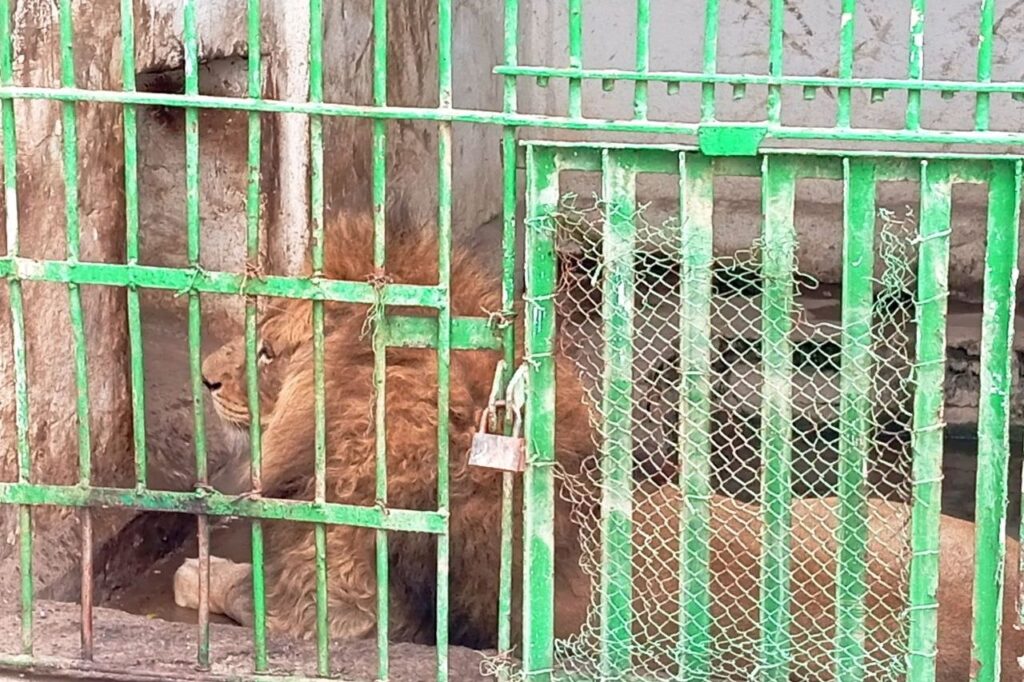
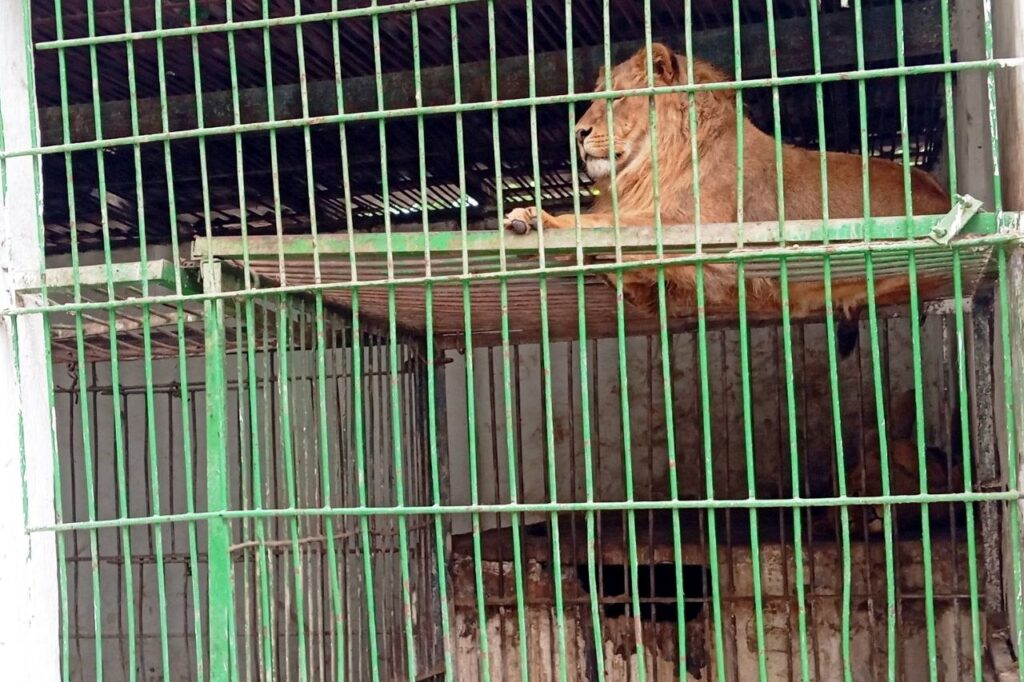
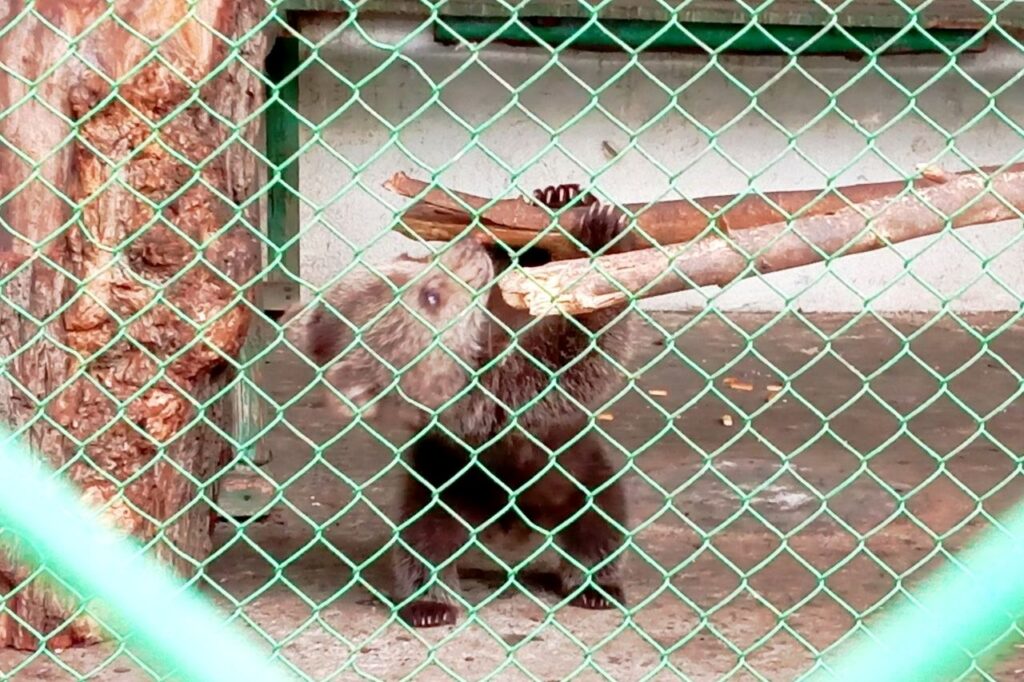
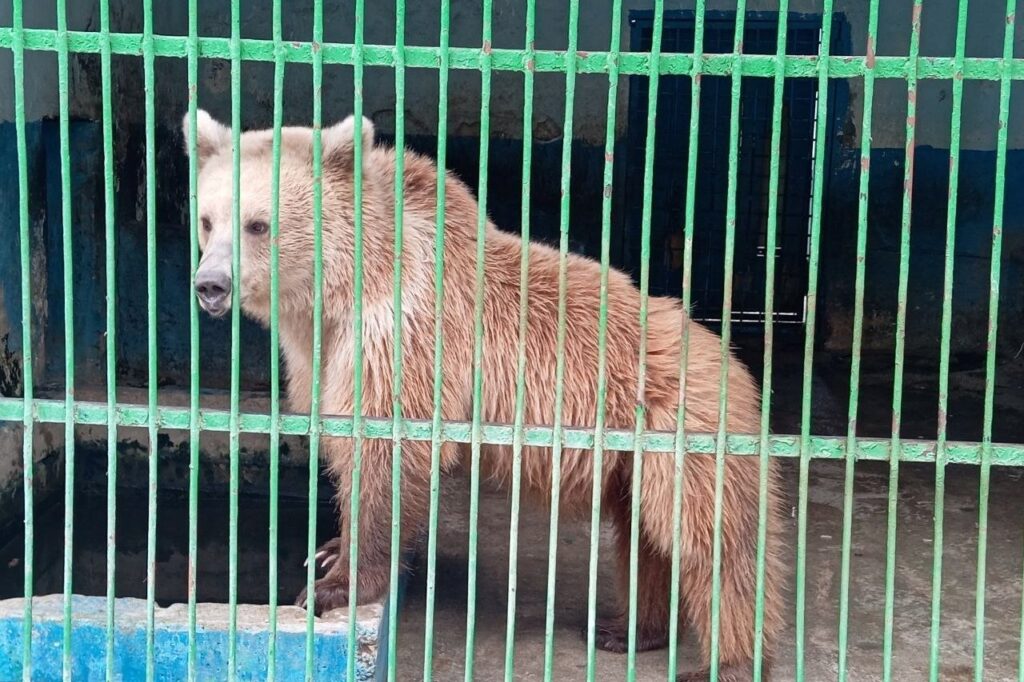
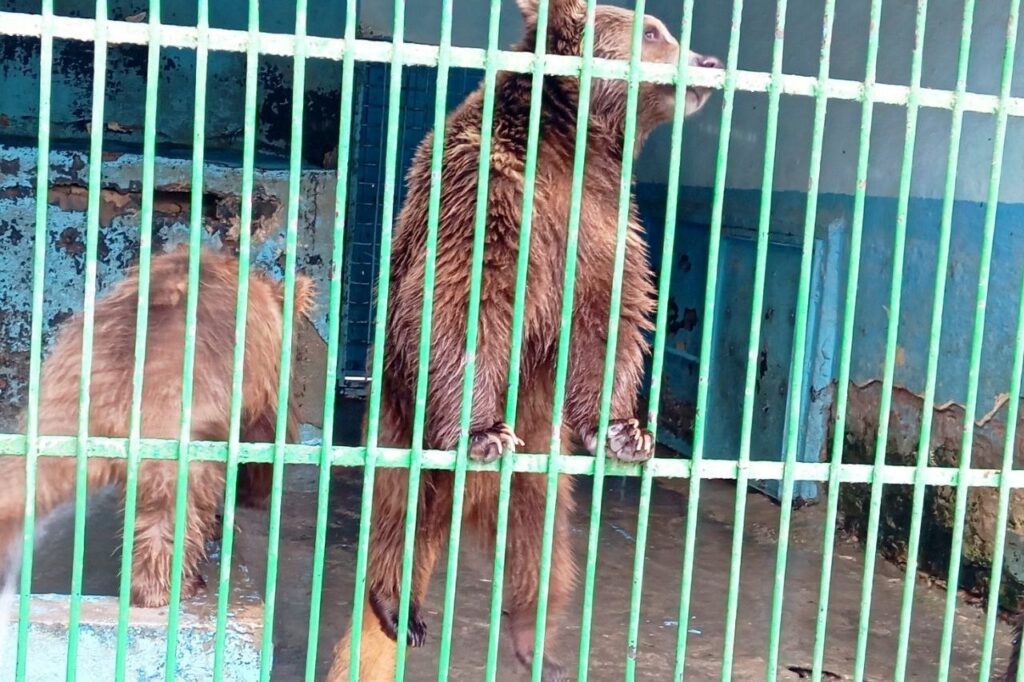
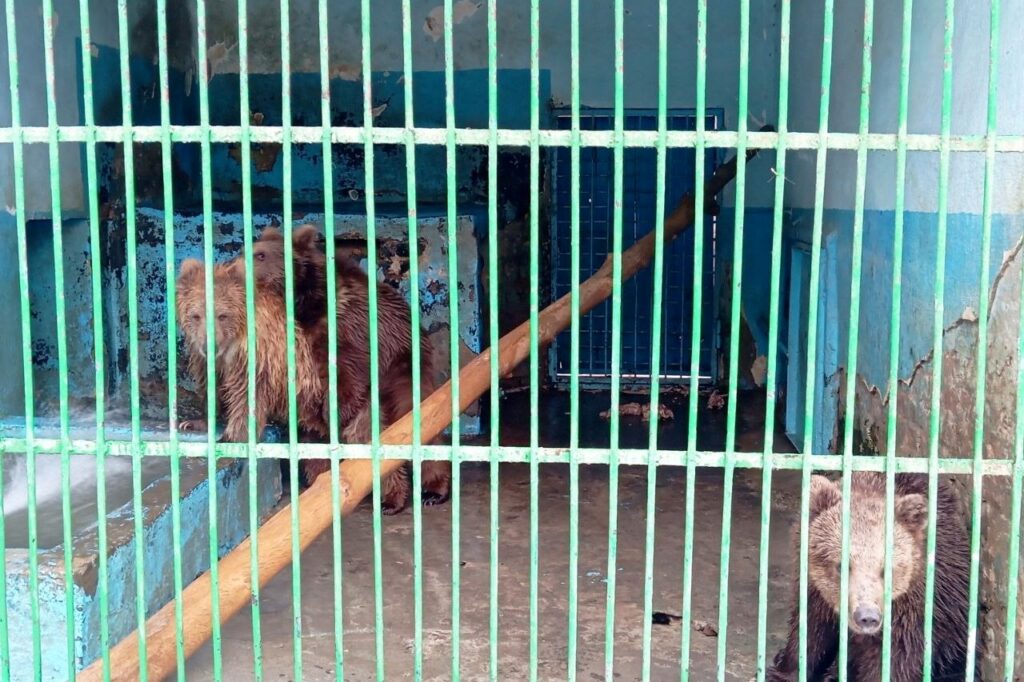
Six years ago, the city authorities announced that a new zoo meeting modern requirements would be built in the city, but nothing has been done since then.
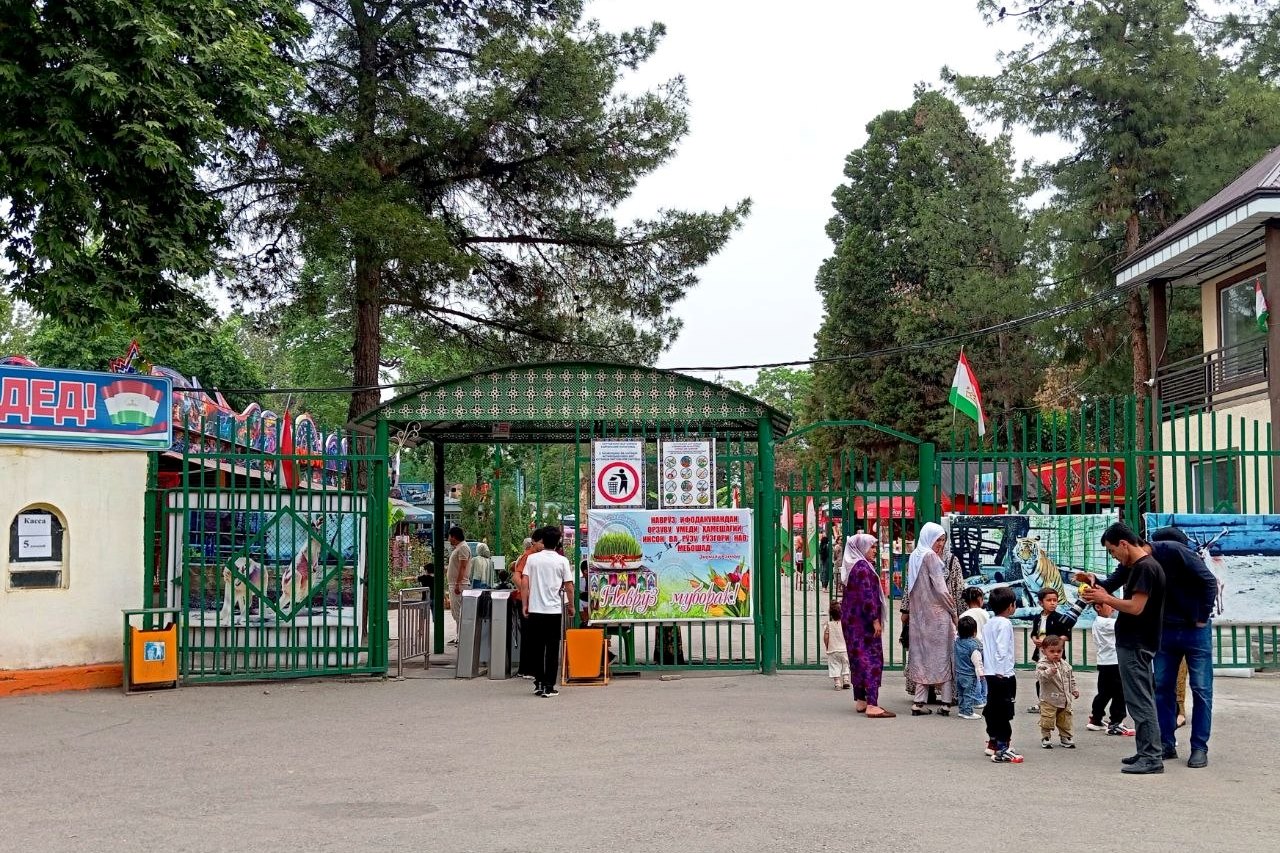
Today, the capital’s zoo continues to live its life: most of its territory is given over to attractions, a smaller part for road expansion. Inside, old buildings and enclosures are being demolished, new pens are being built, and occasionally new animals appear, such as zebras.
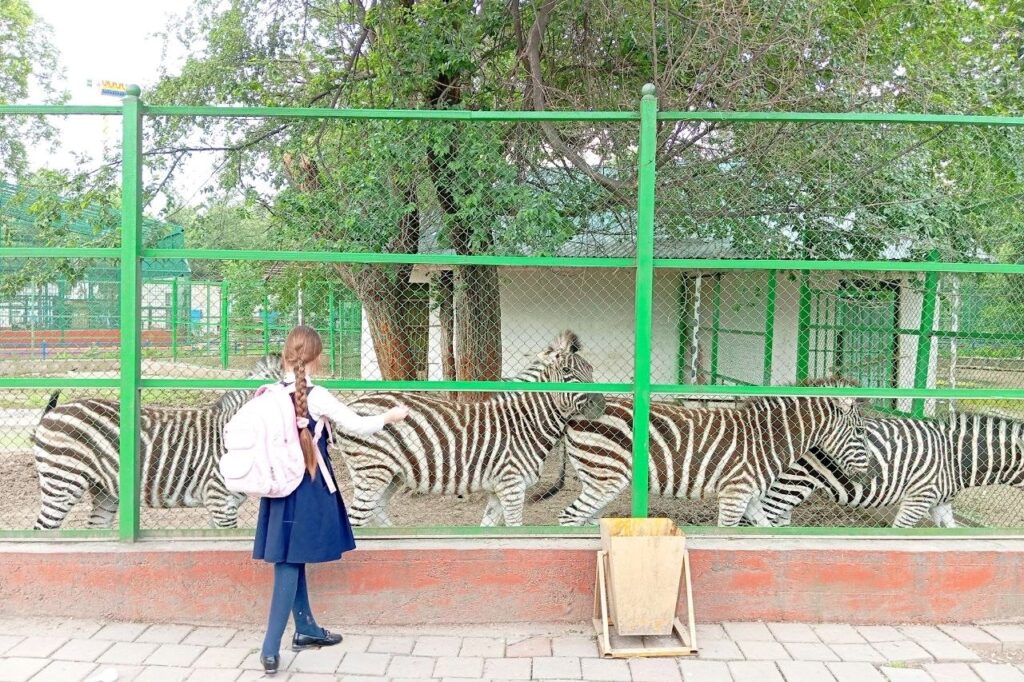
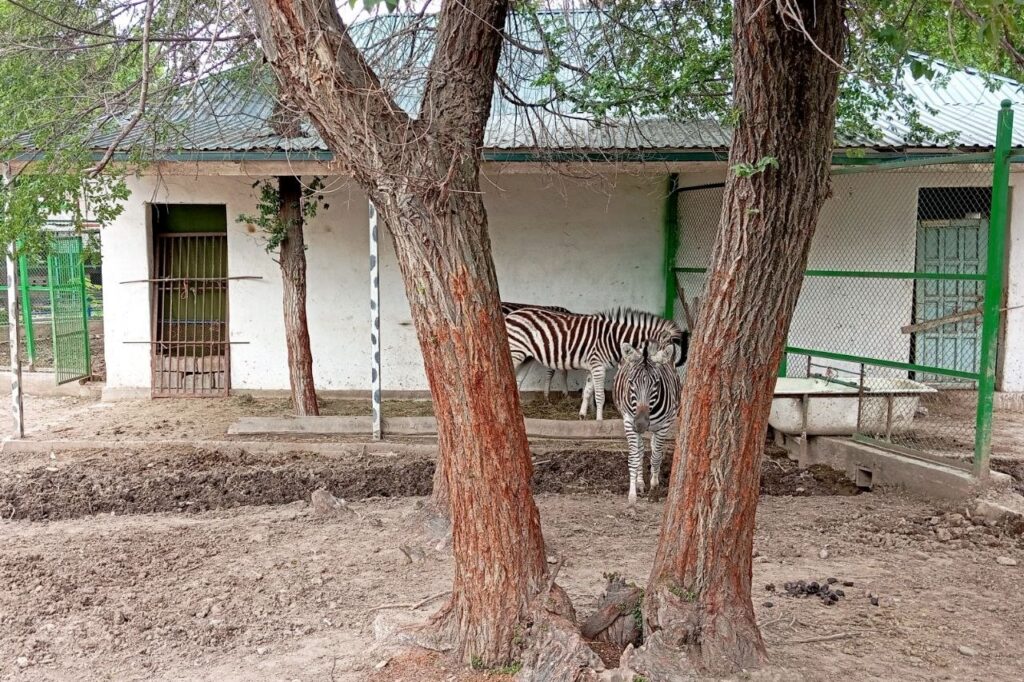
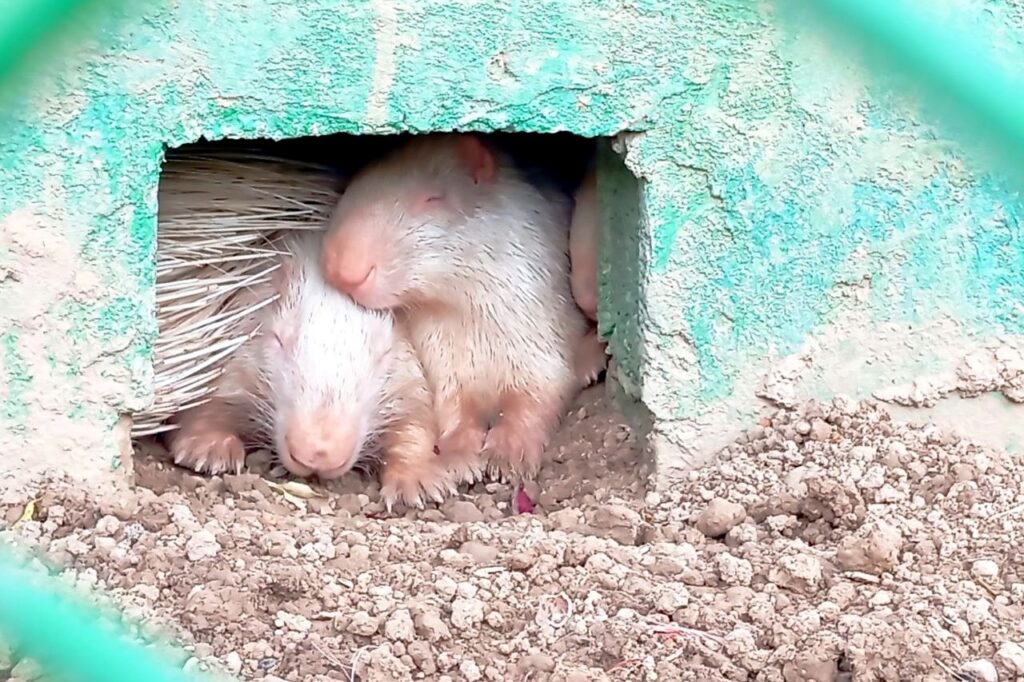
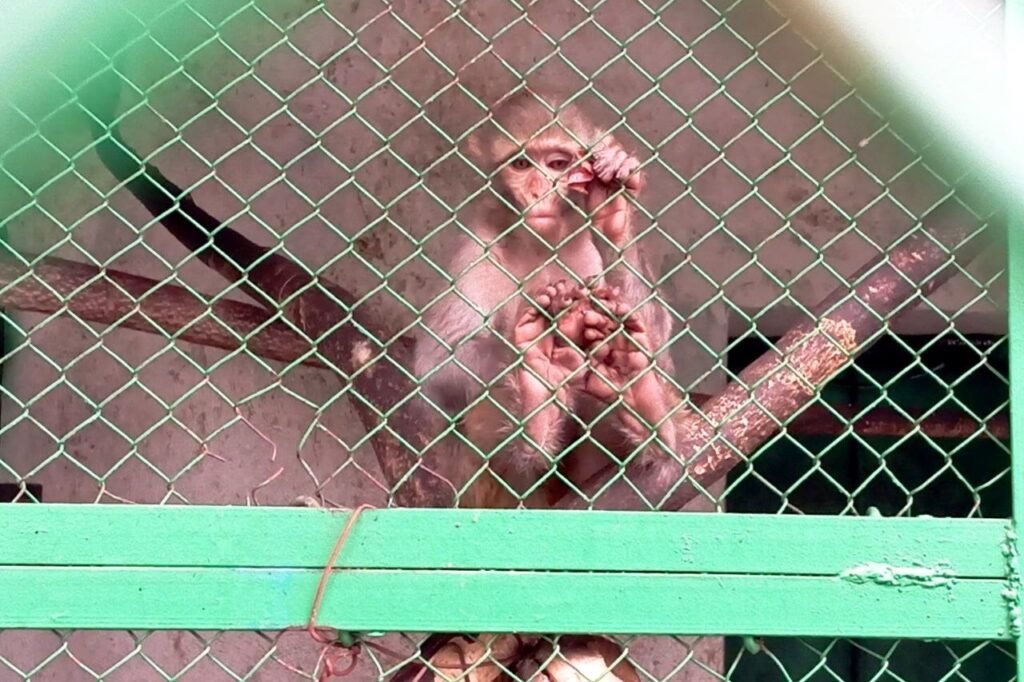
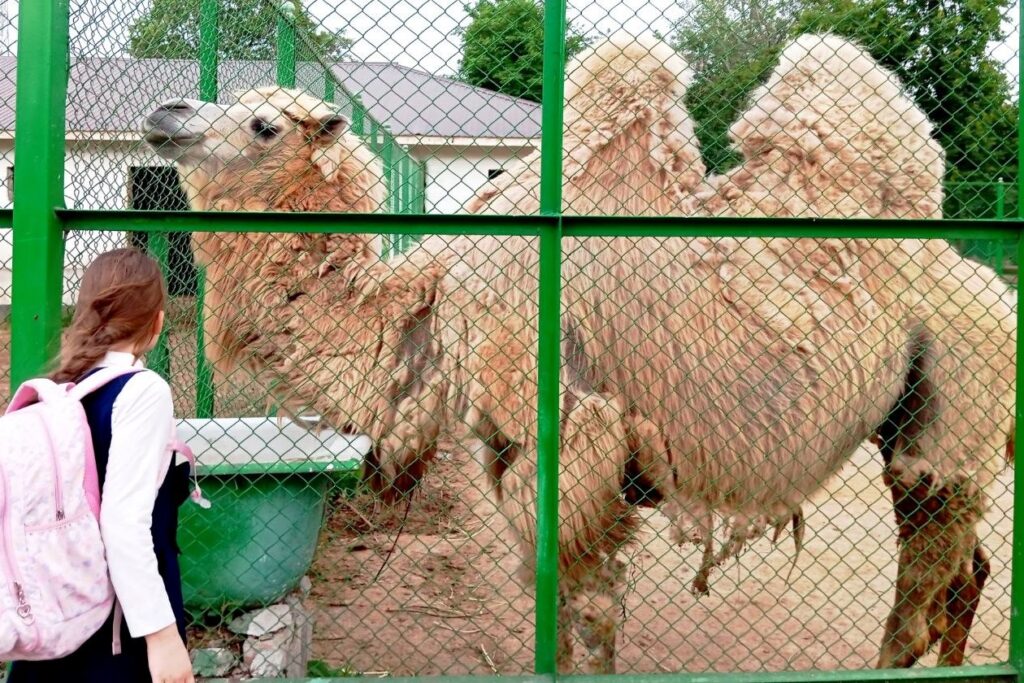
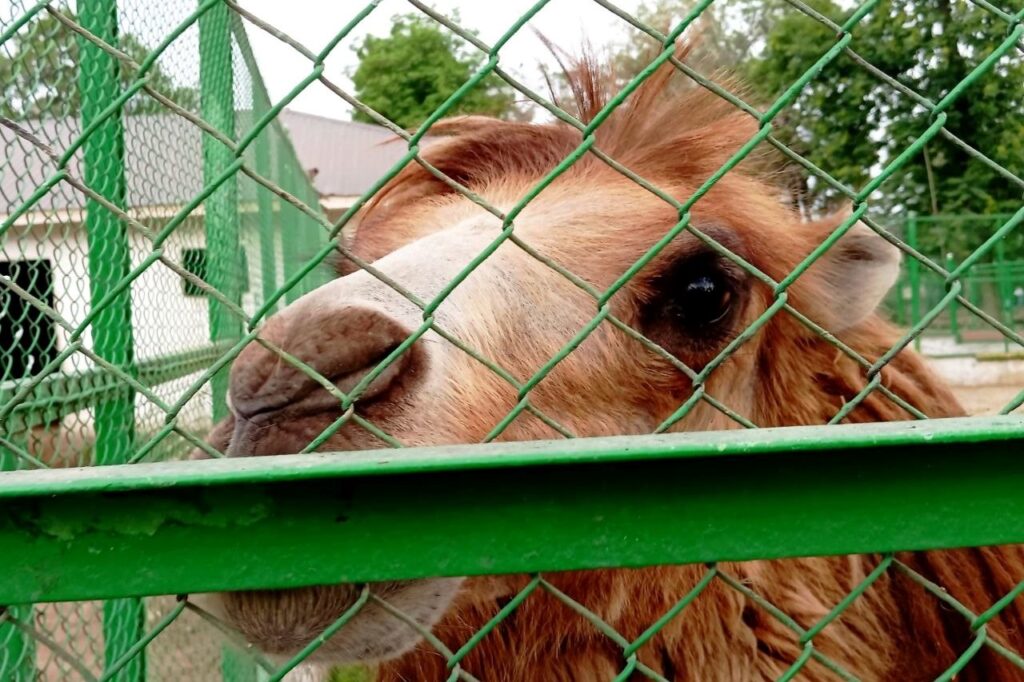
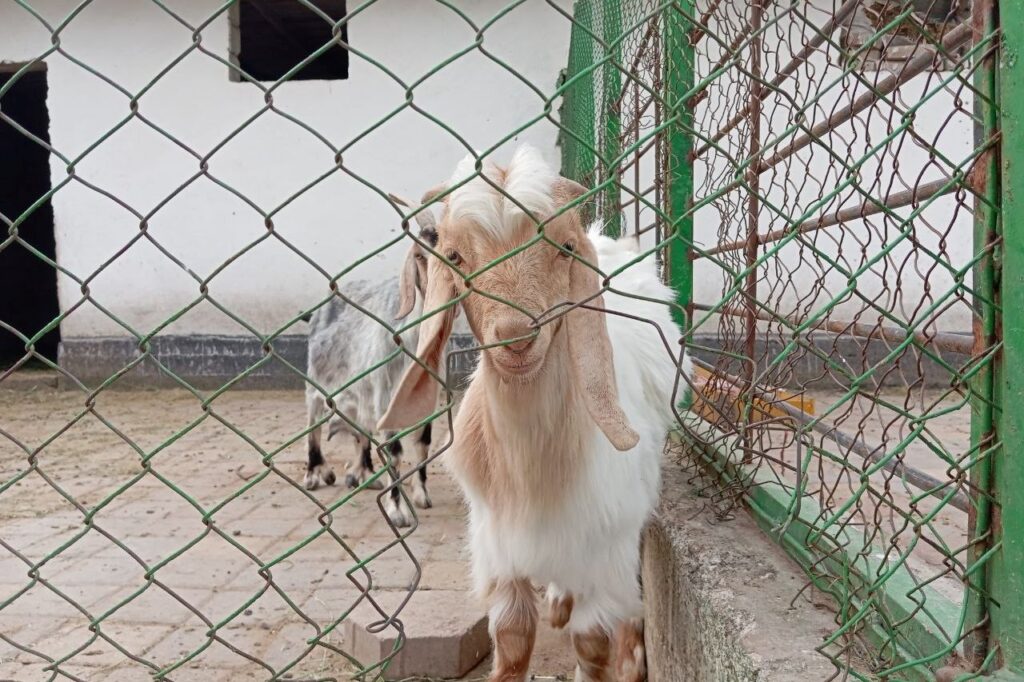
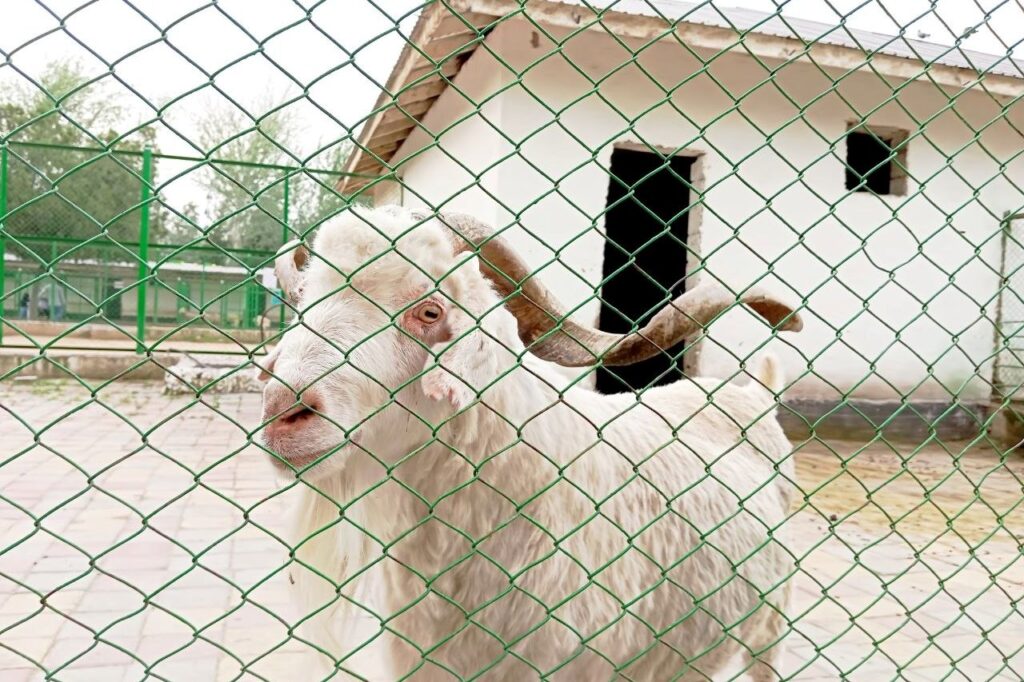
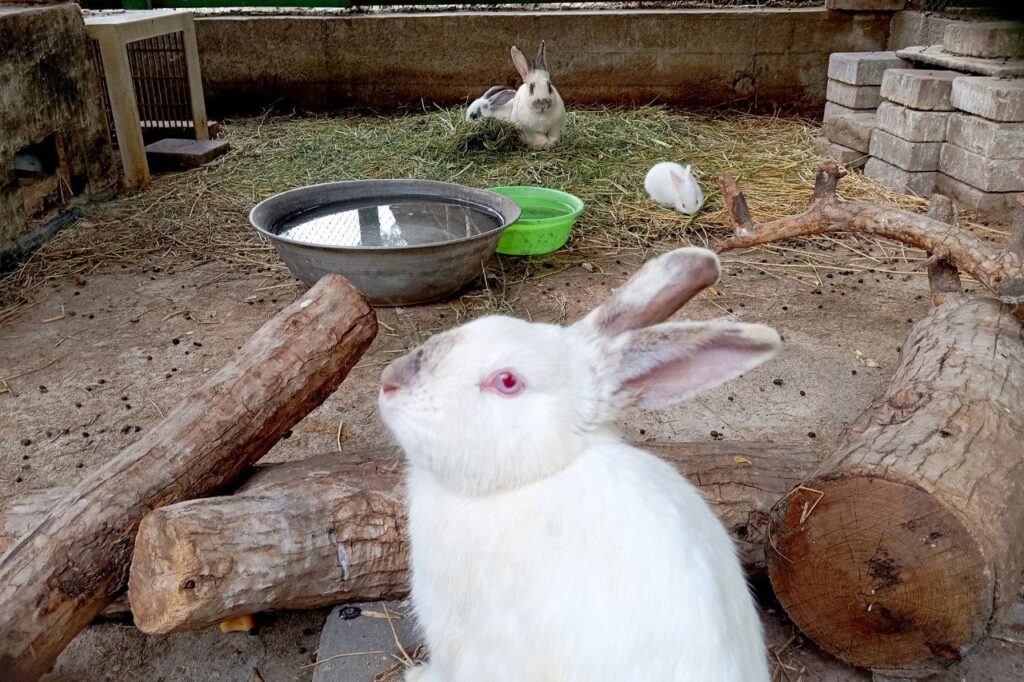
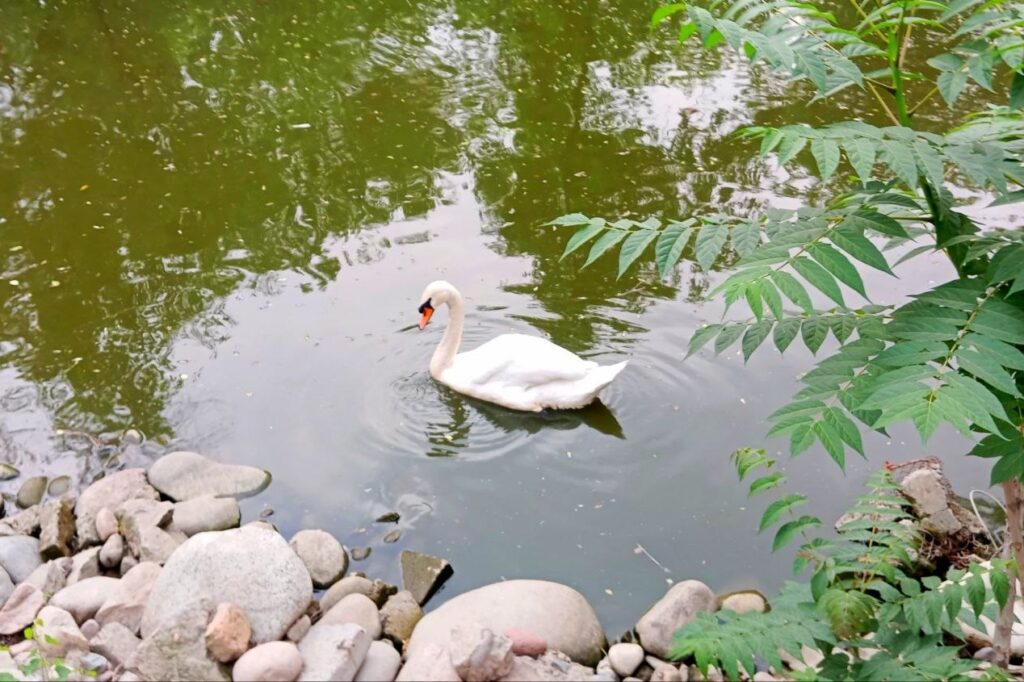
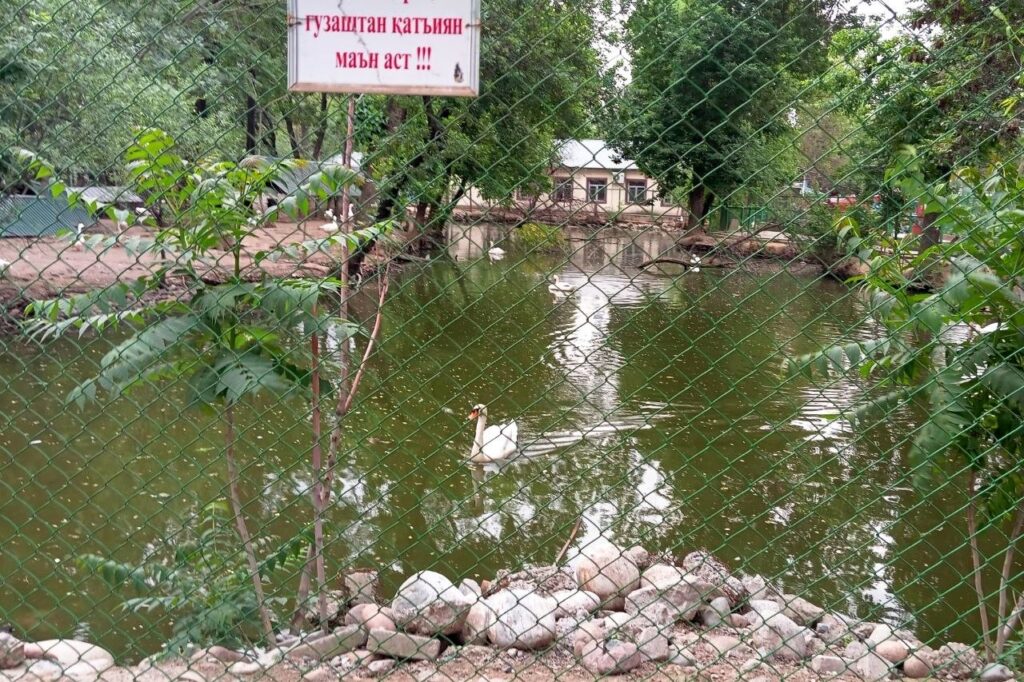
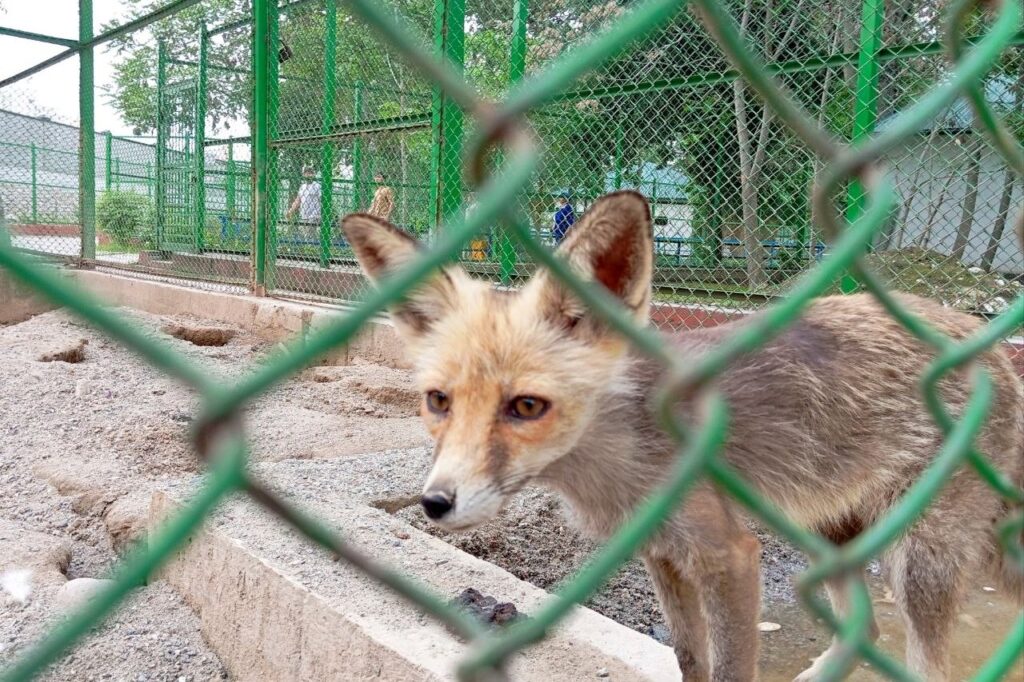
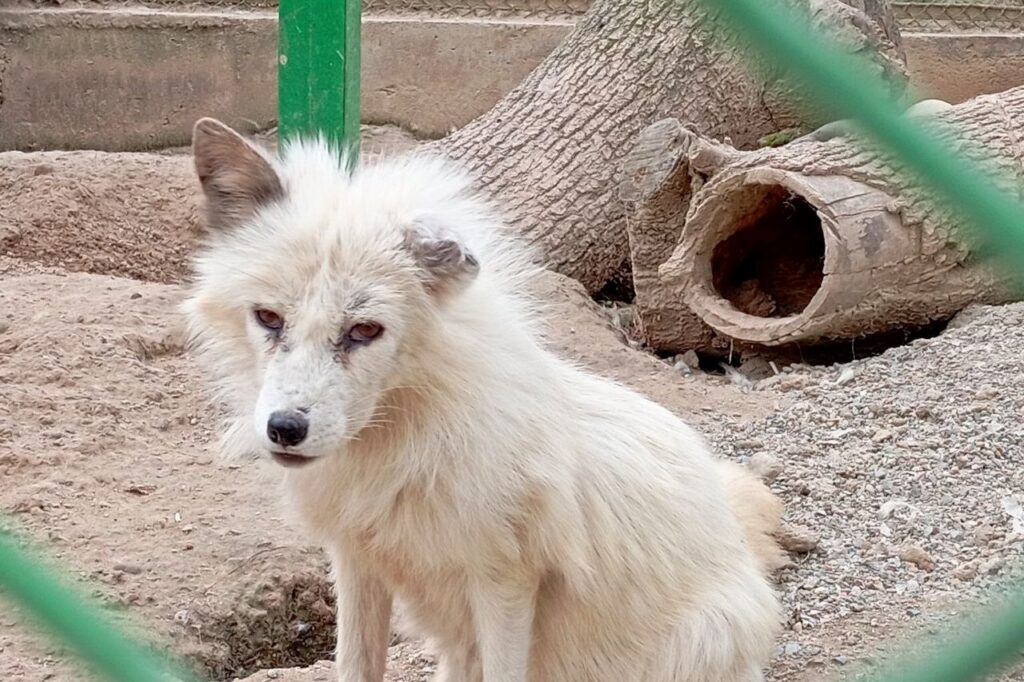
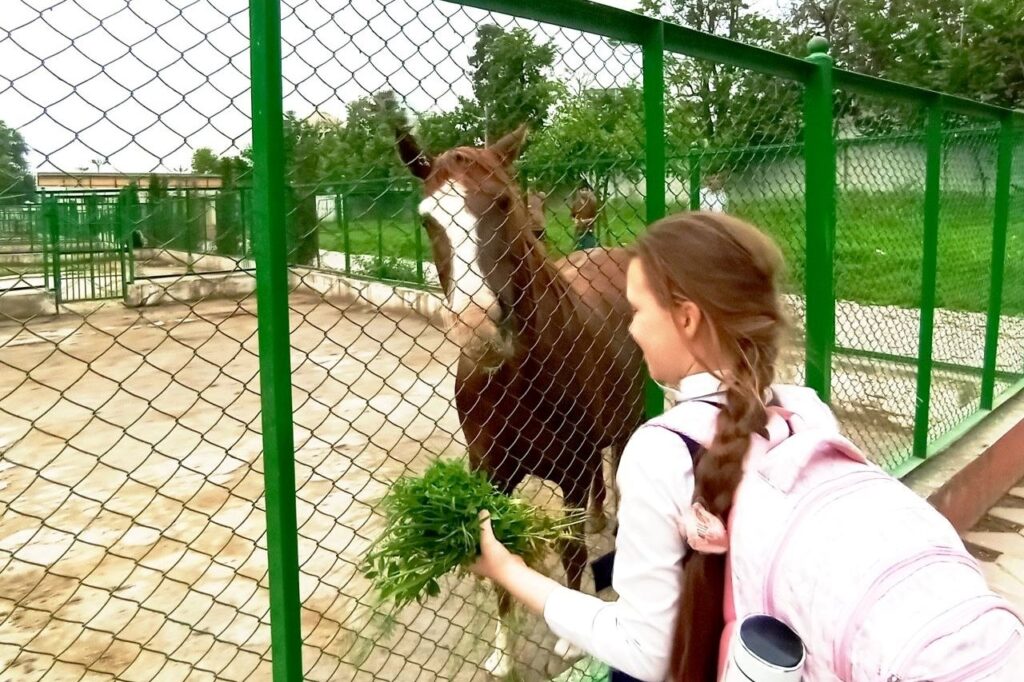
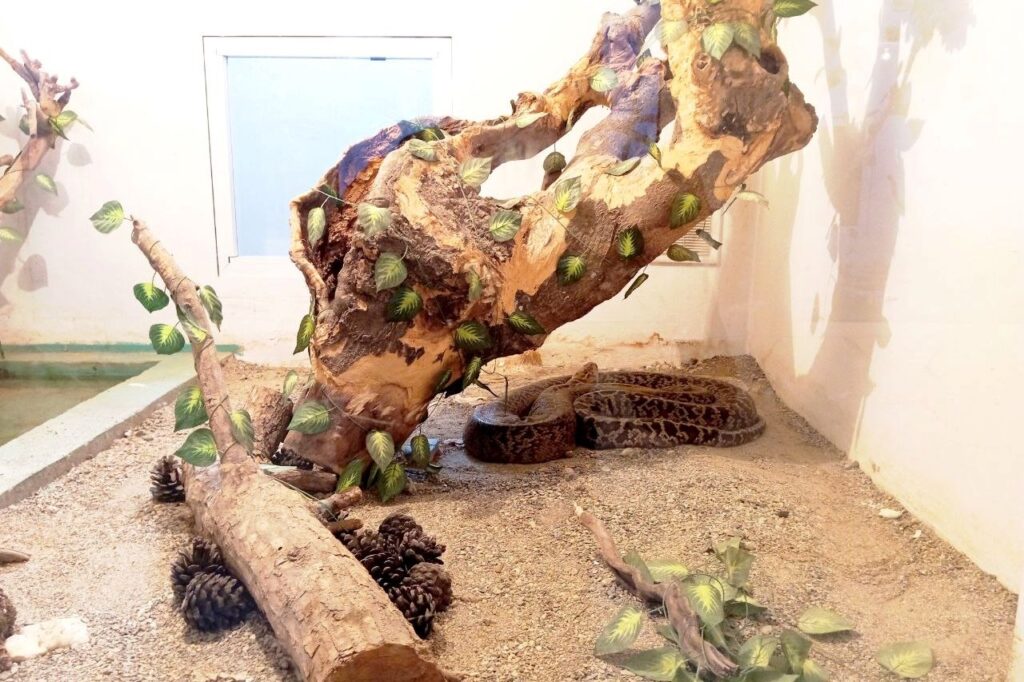
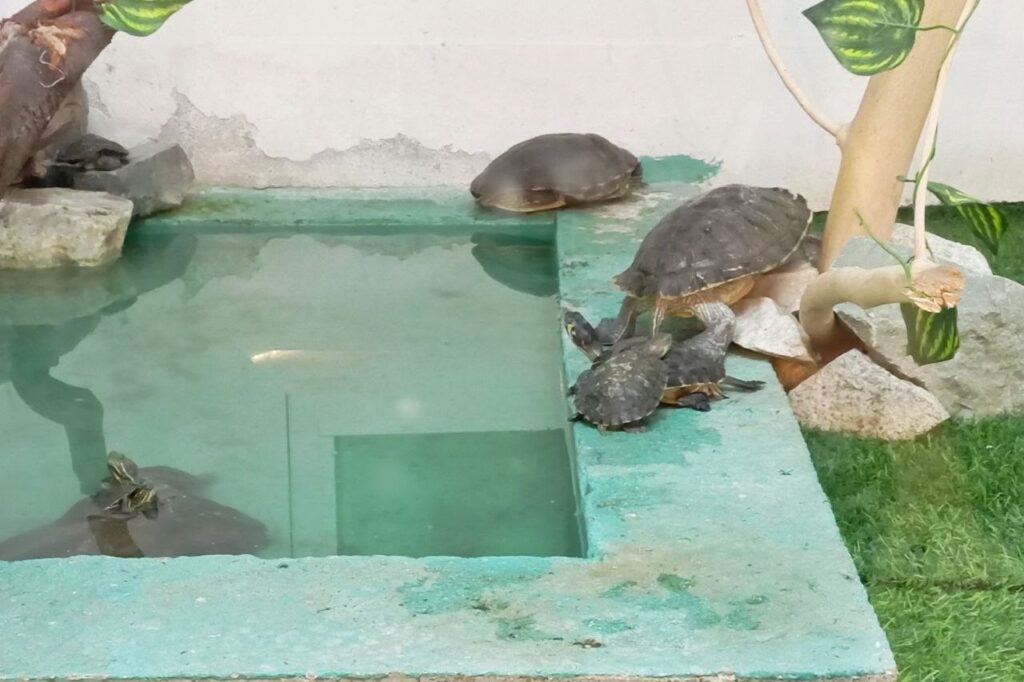
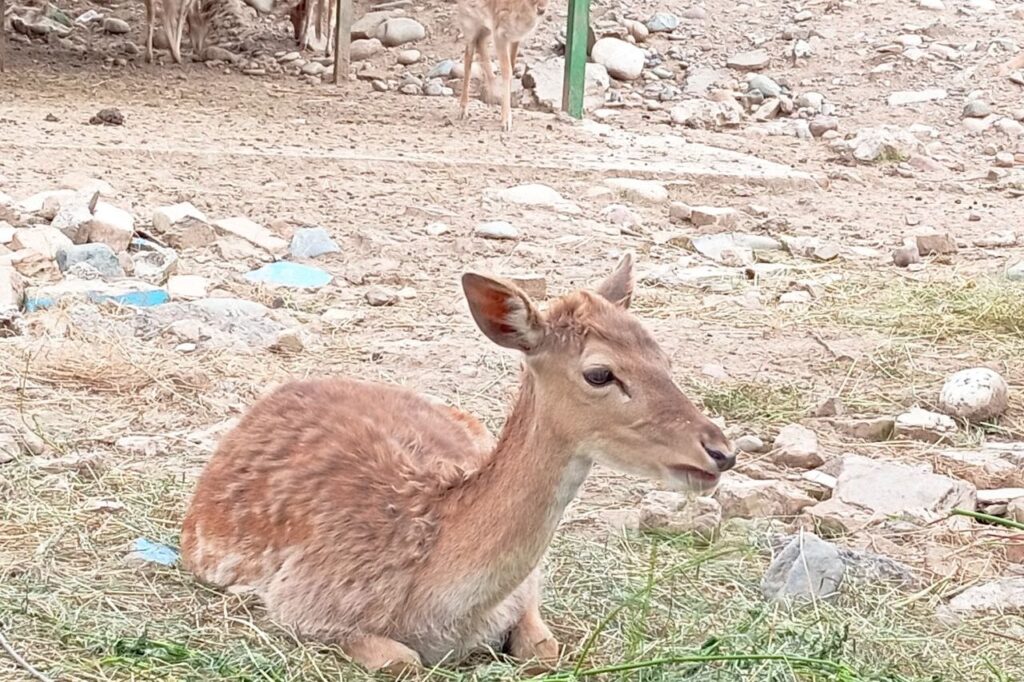
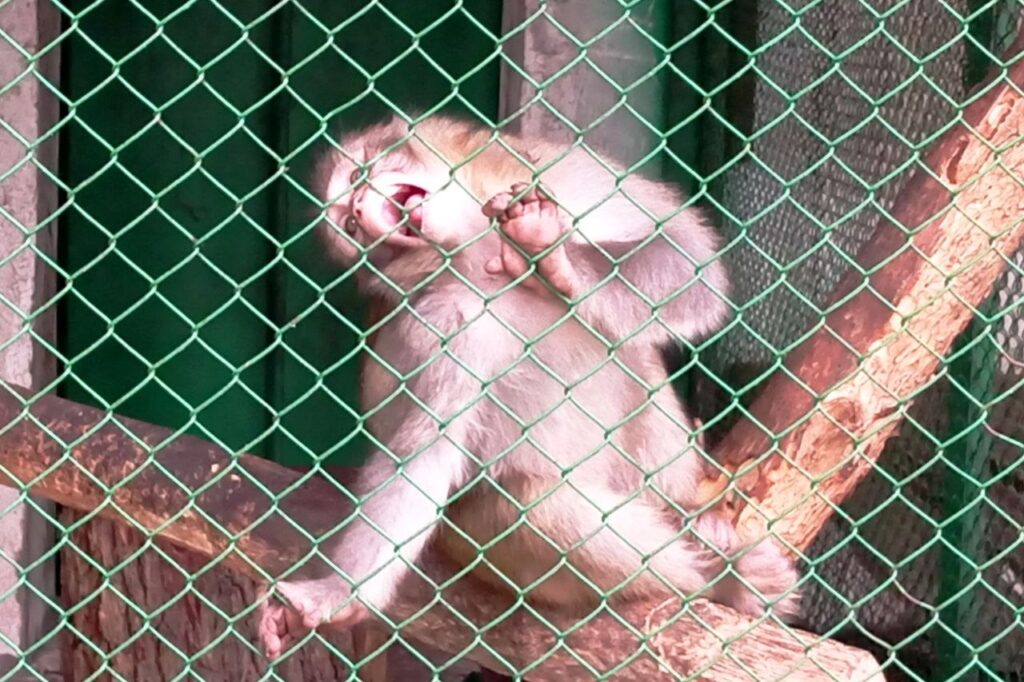
At the same time, in recent decades, the Dushanbe Zoo has been mentioned in the media and social networks only in a negative context – in connection with the poor conditions for keeping animals.