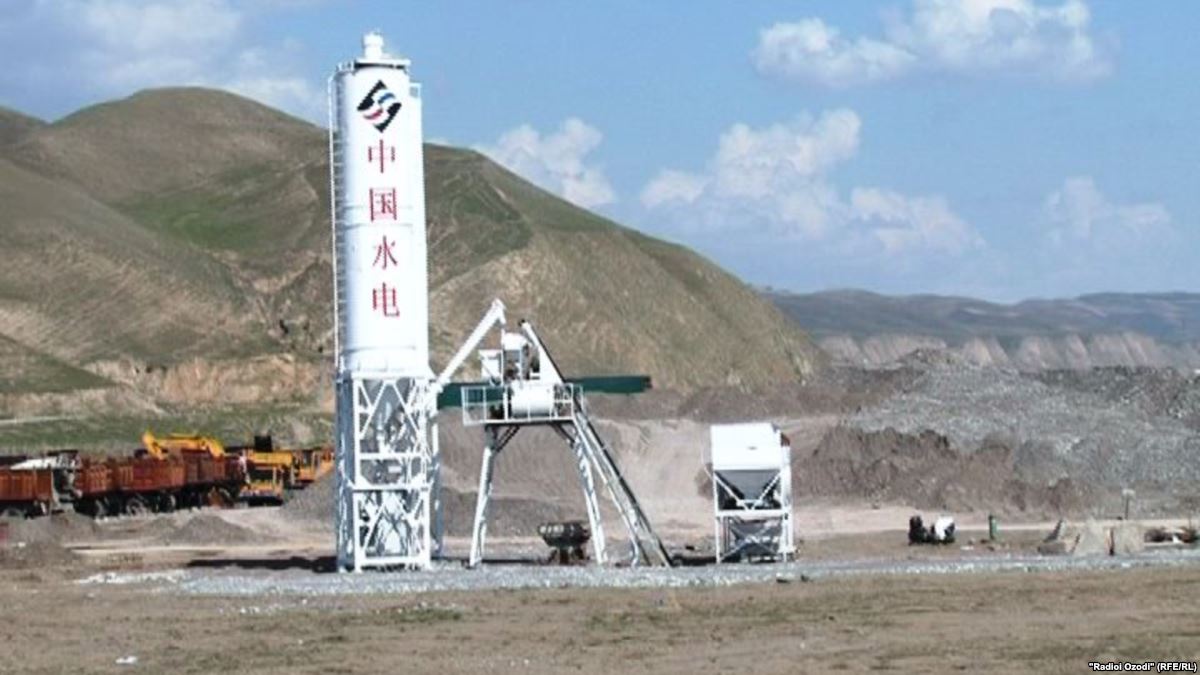
China’s Zijin Mining, which owns 75% of shares in the Tajik-Chinese Joint Venture (JV) Zarafshon, has reportedly sold 5 percent of shares to the Tajik government for 1.00 U.S. dollar.
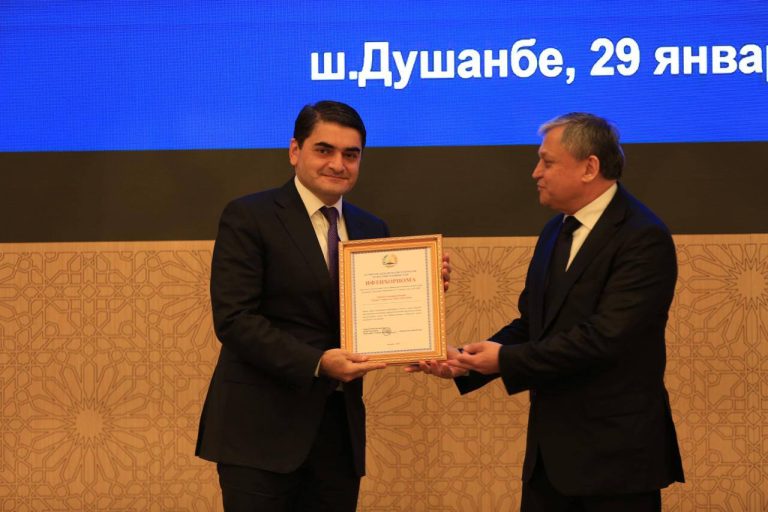
The government endorsed a draft agreement on this subject on February 5 and the head of the State Committee on Investment and State-owned Property Management (GosKomInvest) is committed with signing the document on behalf of the Government of Tajikistan.
After the signing of the agreement Tajikistan’s ownership interest in the company will increase to 30 percent (7,274,724 U.S. dollars) and the share of Zijin Mining in JV Zarafshon will decrease to 70 percent (16,974,364 million U.S. dollars).
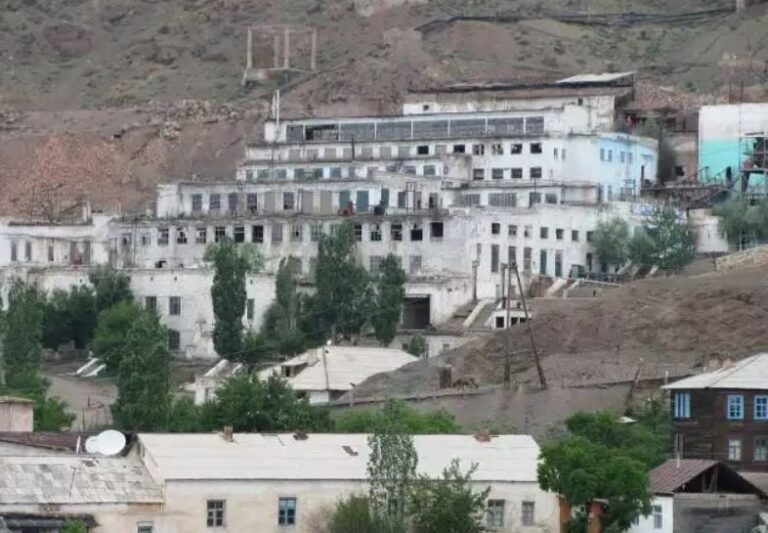
Tajik-Chinese Joint Venture (JV) Zarafshon (formerly Zervashan Gold Company) is the largest gold mining company in Tajikistan.
Zeravshan Gold Company (ZGC) was launched as a joint venture with Nelson Resources Ltd (44%) and the Tajikistan government (51%) and the IFC (5%) in 1994. In September 2002, Avocet signed a heads of agreement to acquire the Tajik gold assets of Toronto-based Nelson Resources Ltd held through Nelson’s subsidiary, Commonwealth and British Minerals Ltd. The assets included a 44% interest in ZGC. In November 2004, Avocet increased its equity interest in ZGC from 49% to 75%. In late July 2007, Avocet sold its equity stake in ZGC to China’s Zijin Mining.
JV Zarafshon owns gold mining and exploration rights to a 300,000-hectare area near the town of Panjakent in northern Tajikistan.
Tajikistan has 137 deposits with estimated reserves of industrial gold and 127 deposits of non-industrial gold. Tajikistan plans to increase annual production of gold to 17 tons beginning on 2022.
Four large gold mining companies now operate in Tajikistan: Tilloi Tojik; Tajik-Chinese JV Zarafshon; Tajik-Canadian JV Aprelevka; and China Nonferrous Gold Limited, which is the first foreign company to obtain 100% ownership of a mining and exploration project in Tajikistan. Besides, enterprises such as Odina, Nazira, Ganj, Barakat and Istiqlol are engaged in gold production in the country.
Most of gold comes from the Jilau deposit operated by Tajik-Chinese joint venture, Zarafshon, which reportedly accounts for more than 70 percent of the total amount of gold produced in Tajikistan.