

The number of residents in the Ishkashim district of the Gorno Badakhshan Autonomous Region (GBAO) poisoned by consuming bread made from contaminated wheat delivered to the district from Khatlon’s Hamadoni district has reportedly risen to 54.
An official source at the Ministry of Health and Social Protection of the Population told Asia-Plus on February 22 that 20 other residents of the Ishkashim district diagnosed with heliotrope poisoning have been hospitalized over the past week bringing the total number of heliotrope poisoning cases in the district to 54.
“To-date, 38 adults and 16 children have been hospitalized,” the source said.
As it had been reported earlier, five members of the Qurbonbekov family form the Pitup village in the Ishkashim district were taken to the GBAO regional hospital in Khorog on January 17.
They were reportedly diagnosed with hepatitis caused by heliotrope poisoning. A 10-yerar teen from the Qurbonbekov family died on January 31.
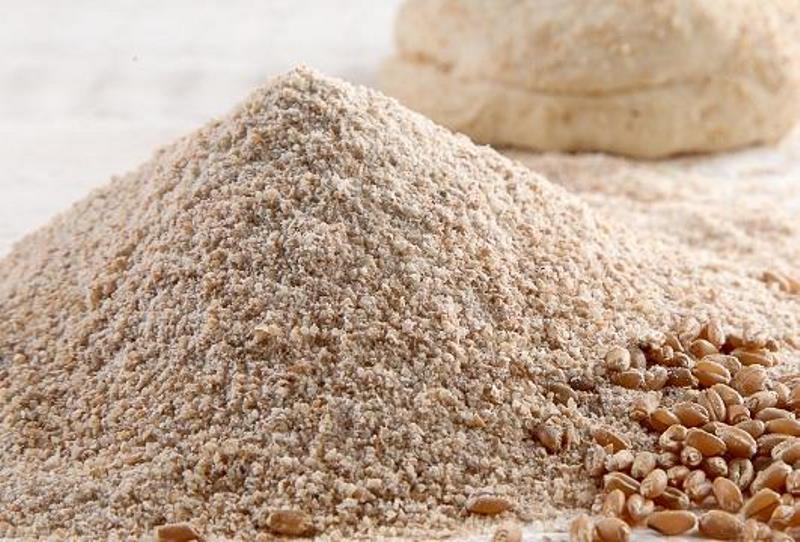
A special commission comprising medical workers has been sent to the Ishkashim district. The commission has reportedly established that people got poisoned after consuming bread made from contaminated wheat.
On February 9, a group of specialists from Dushanbe arrived in the region to treat residents of the Ishkashim district who got poisoned.
An entrepreneur from the Ishkashim district, Nasriddin Sabzaliyev, reportedly delivered five tons of wheat from Khatlon’s Hamadoni district in August last year. The wheat reportedly tested positive to be contaminated with heliotrope seed.
The seeds and roots of Heliotropium lasocarpium, contain a pyrrolizidine alkaloid which causes toxic liver injury and veno-occlusive disease (VOD), characterized by an occlusive lesion of the centrolobular veins of the liver, when consumed by humans.
Recall, a delay in the wheat harvest in the Farkhor district of the Khatlon province in 1992 led to contamination of the harvested grain with seeds of the poisonous weed, Heliotropium lasiocarpum. Consumption of bread made from the contaminated wheat resulted in an outbreak of poisoning; by Mar. 1993, 3906 cases of liver toxicity had been recorded.