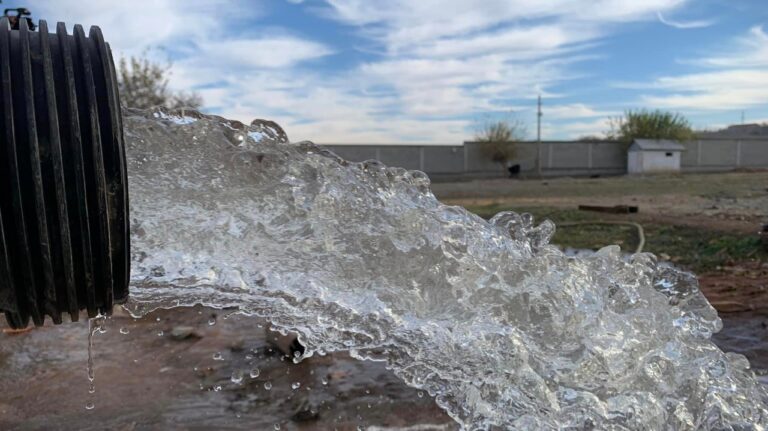
An article Water Can Be a True Source of Prosperity for Central Asia by Cyril Muller, World Bank Vice President for Europe and Central Asia that was posted on the World bank’s website on June 21, in particular, notes that many Tajik households, especially in remote rural areas, still face in accessing that essential ingredient for life – water.
According to Mr. Muller, he met in Dushanbe with colleagues to talk about how change and progress could happen.
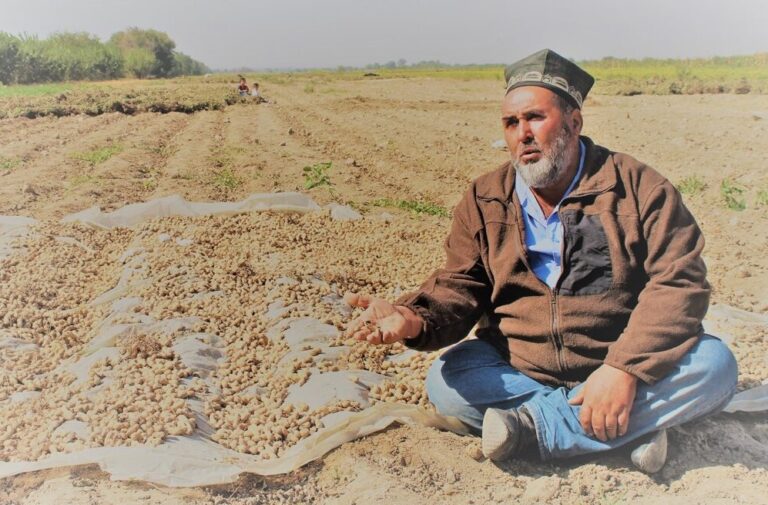
“For example, recent improvements in farming irrigation and water drainage in area around Lolazor, a village in Vahdat district, have led to better lives for the villagers, as they no longer face a shortage of irrigated water. Indeed, the benefits go far beyond this: more agricultural crops are being yielded, more jobs are being created, and there is more hope now that fewer people will migrate abroad to find work.”
The Bank executive notes that a recent World Bank report, Glass Half Full, shows one in four households in Tajikistan do not have enough water. It reportedly also reveals long service interruptions because of breakdowns in water supply infrastructure, with rural residents experiencing more service interruptions that last a week or more.
Like Tajikistan, other countries in Central Asia have an abundance of natural resources, including water, but similarly, they face challenges in effectively managing water resources, and providing access to clean water and sanitation for all of their citizens, Mr. Muller notes in his article.
In addition to this, climate change is also having a major impact – melting glaciers in Central Asia and shifts in the timing of water flows are increasing the risk of torrential floods and reducing the amount of water available in summer months. The effects can also lead to a decrease in hydropower output by up to 20% in Tajikistan and Kyrgyzstan, which are both highly reliant on hydropower.
Mr. Muller says he was highly encouraged by the productive discussions that took place last week at a High-Level International Water Conference in Dushanbe, hosted by the Government of Tajikistan and the United Nations.
Everyone agrees that the challenges cannot be solved by individual countries. Climate change – with its impacts on water resources, the hydrological cycle, and surface and groundwater flows – shows no respect for national boundaries. Adequate responses to climate change and effective management of water resources require the cooperation of all countries at the national, regional, and global levels.
Cross-border cooperation is also economically beneficial. Research suggests that regional cooperation in managing shared water resources could generate an additional US$ 4 billion per year for Central Asia. And as part of the High Level Panel on Water, Tajikistan has contributed substantially to cooperation, according to the World Bank executive.
“As I think about the road ahead, I am reminded of Lolazor village. When my colleagues visited there a few months ago to view the irrigation works, one local woman told them, “We came together as a community and jointly resolved the most pressing issue we were facing – the lack of water,” notes Mr. Muller. “If a similar approach is taken more broadly, at the regional-level, water can truly be a source of development and prosperity for the citizens of Central Asia.”
Together with its member countries, other development partners, the private sector, academia, and civil society, the World Bank is actively supporting Tajikistan and other countries in Central Asia to address water-related challenges and deliver on the 2030 Agenda of the Sustainable Development Goals.