Uzbekistan has said it has reached an agreement with Russia to jointly build a nuclear power plant, a development it says will help it economize on gas and coal.
Opponents of the scheme, however, say the power station could pose a danger to the environment. Similar proposals in neighboring Kazakhstan have run into trouble on similar grounds. And the vast costs attached to the project raise questions about how the funding is to be secured, according to EurasiaNet.org.
According to official figures, Uzbekistan’s annual electricity requirements, which currently stand at around 69 billion kilowatt hours, are 85 percent met by production from gas and coal. The remainder is produced by hydropower facilities.
“If we continue in future to use natural gas and coal in the sector, in a short time our reserves could run out,” President Shavkat Mirziyoyev said at government meeting on July 10. “This would be an unforgivable error.”
The plan is to commission the power plant by 2028. According to government projections, the power station could enable the country to economize on 3.7 billion cubic meters of gas annually, which would translate into an economic savings of around half a billion dollars.
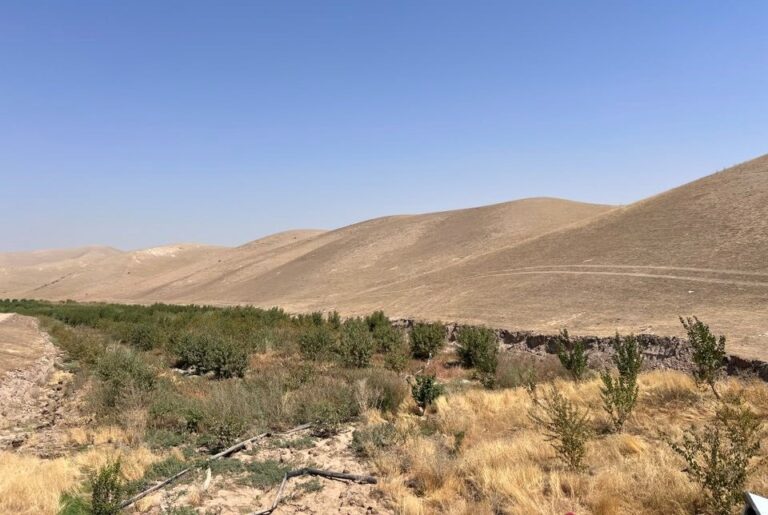
Ten sites around the country had been identified as possible locations for the plant. But at the end of May, when the head of Russia’s state-run atomic energy company Rosatom, Aleksey Likhachev, was visiting Tashkent, he announced that the site would likely be in the Navoi region.
Rosatom’s proposal is to build two 1,200-megawatt blocs. It is building similar structures in Belarus and Bangladesh. At the start of July, an Uzbek delegation traveled to Belarus to study progress on work there.
As to the cost, Uzbekistan’s ambassador to Russia, Bakhrom Ashrafkhanov, said the project could cost around $13 billion. The bulk of the investment would be expected to come from Russia, he said, without providing further details. The size of this price tag has raised some eyebrows and it is uncertain whether Russia is likely to commit to such a costly undertaking without clear evidence of eventual returns.
If the power plant were to be completed, Uzbekistan could become the first nation in Central Asia to host such a facility. There has long been talk in neighboring Kazakhstan, itself a leading producer of raw uranium, of building a nuclear plant but the idea has run into much opposition.
Uzbek environmentalist Yusup Kamalov echoed themes heard in Kazakhstan, arguing that the power plant could pose a danger to people inside Uzbekistan and beyond. He also bristled at the role being played by Russia.
“The decision has been taken under pressure from Russia,” he said. “Russia is offering its technology, specialist and funding the lion’s share of the plant. It is a disgrace that Uzbekistan, with all its potential for renewable energy, is following Russia’s lead.”