The first horticulture trade forum in Khatlon has resulted in signing of a number of contracts totaling more than 2 million somoni (TJS) 2 million.
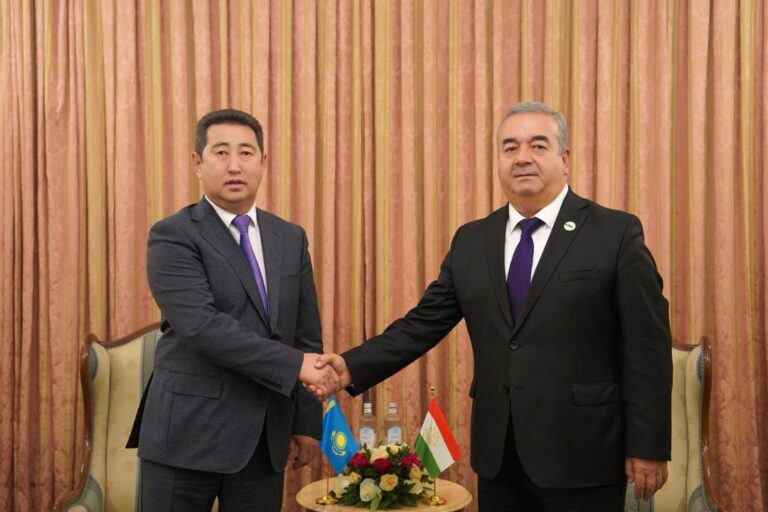
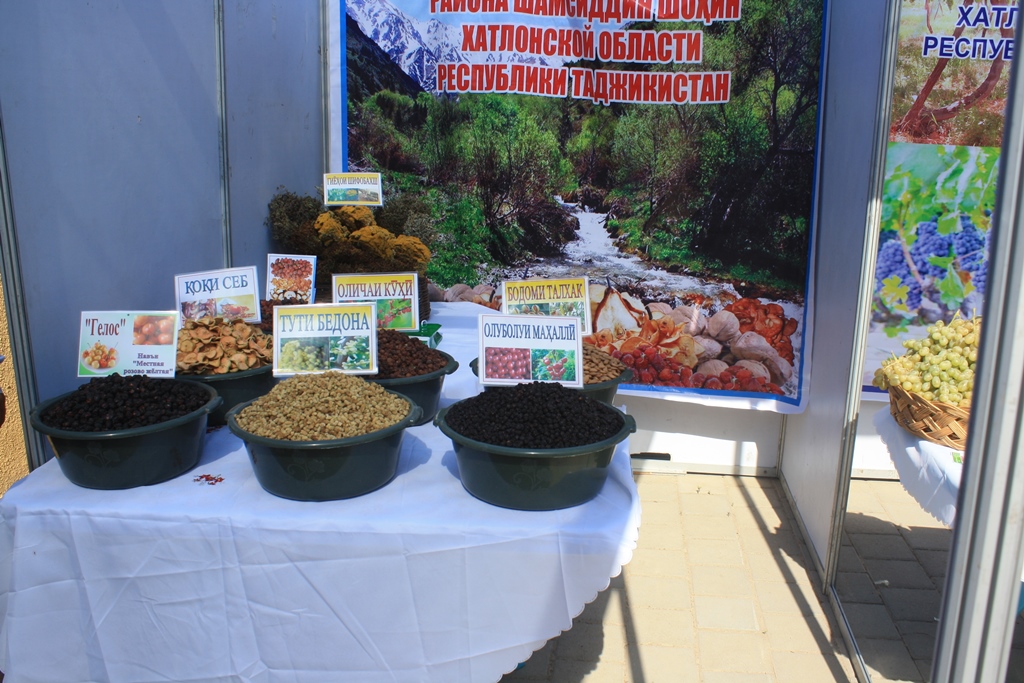
More than 150 large horticulture producers and consolidators of the fruit and vegetable products from the Khatlon province and 60 buyers from the Tajik northern Sughd province as well as Kazakhstan, Kyrgyzstan and Uzbekistan have singed five contracts totaling 978,500 somoni and ten memoranda of understanding on cooperation totaling 1.2 million somoni, Komron Rajabiyon, Trade Facilitation Specialist at Competitiveness, Trade, and Jobs (CTJ) Project. USAID, told Asia-Plus in an interview.
A two-day event that took place in the “Asadullo” farming unit in the Khuroson district provided networking and partnership opportunities for its participants.
Recall, organized by USAID and Khatlon regional government, the forum brought together more than 300 horticulture producers, traders, and buyers from Tajikistan, Kazakhstan, Uzbekistan, and Kyrgyzstan.
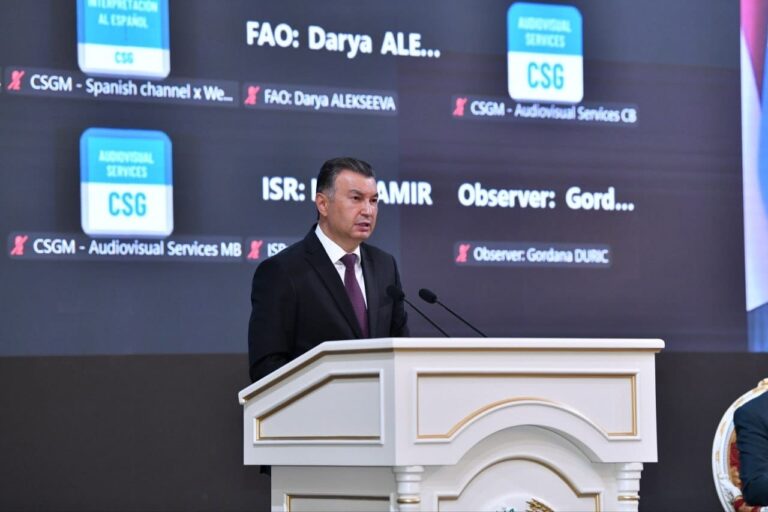
Attendees, in particular, discussed innovative solutions to stimulate trade and promote horticultural exports in Central Asia.
The agenda of the forum also included various sessions on post-harvest practices, cold storage management models, and transport and logistics information. The International Trade Center presented step-by-step guidance on how to export products with online support from their trade facilitation portal.
USAID has supported agriculture in Khatlon since 2012 through Feed the Future, America’s global poverty initiative, which has included efforts to secure land tenure for farmers, provide training on modern growing and harvest practices, expand cold storage facilities, and improve the quality of equipment and seeds. Farming families even receive health and nutrition information. These programs now partner alongside USAID regional trade projects, such as the USAID Competitiveness, Trade and Jobs Activity, in order to provide horticulture producers with greater access to local, regional and international markets.
The USAID Competitiveness, Trade, and Jobs Activity in Central Asia facilitates trade and employment in horticulture, tourism, transport and logistics across the five Central Asian economies. By helping firms become more regionally competitive and by addressing cross-border impediments to trade, USAID helps to develop a more diverse and competitive private sector and generate export-driven growth.