Uzbekistan expected to introduce ‘the polluter pays’ principle

Uzbek President Shavkat Mirziyoyev yesterday held a meeting to discuss environmental protection and waste management problems, according to Ferghana.ru. Speaking at the meeting, Mirziyoyev noted that producers should assume the waste management expenditures.  He pointed to the necessity of introducing the ‘the polluter pays’ principle in the country. The president also ordered to upgrade the […]

Asia-Plus

Uzbek President Shavkat Mirziyoyev yesterday held a meeting to discuss environmental protection and waste management problems, according to Ferghana.ru.

Speaking at the meeting, Mirziyoyev noted that producers should assume the waste management expenditures.  He pointed to the necessity of introducing the ‘the polluter pays’ principle in the country.

The president also ordered to upgrade the material-and-technical bases of the settlement improvement directorates and put landfills in order in compliance with sanitary requirements.

In this connection, Uzbekistan plans to adopt the law on punishment for pollution of territories, said Ferghana.ru.   

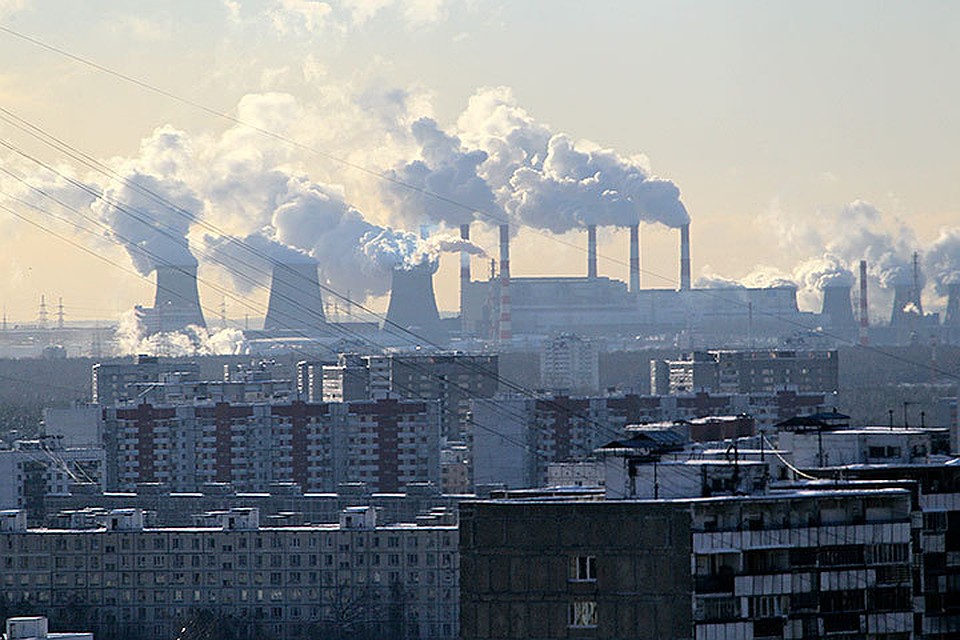
In environmental law, ‘the polluter pays’ principle is enacted to make the party responsible for producing pollution responsible for paying for the damage done to the natural environment.  It is regarded as a regional custom because of the strong support it has received in most Organization for Economic Cooperation and Development (OECD) and European Union countries.  It is a fundamental principle in US environmental law.

The ‘polluter pays’ principle underpins environmental policy such as an ecotax, which, if enacted by government, deters and essentially reduces greenhouse gas emissions.  This principle is based on the fact that as much as pollution is unavoidable, the person or industry that is responsible for the pollution must pay some money for the rehabilitation of the polluted environment.

Join us on social media!

Article translations:

Related Article

Оби зулол
Оби зулол

Most Read

Акика Алиф

Recent Articles

Climate risks threaten food security in Central Asia – FAO

Land degradation reduces agricultural productivity. The loss of biodiversity weakens the ecosystems that farmers, livestock breeders, and rural communities depend on.

Potential or illusion? Why the world overlooks Tajikistan’s mineral wealth

The republic may indeed possess significant reserves of rare metals, but there is a catch...

The case of ousted Kyrgyz security boss classified and moves to court

The former head of the GKNB is charged with violent seizure of power and abuse of official position.

Trump states that Iran’s nuclear program is a higher priority than U.S. citizens’ economic issues

Fluctuations in energy prices led to record inflation in the United States in April, the highest in the past three years.

Foot-and-mouth disease, plague, and flu: Central Asia threatened by transboundary animal diseases

FAO urges Central Asian countries to strengthen coordination and epidemiological surveillance.

Tajikistan approves the second phase of the Electric Transport Development Program; $95 million will be allocated for its implementation.

At this stage, the authorities are focusing on charging infrastructure, services for electric vehicles, and the expansion of the electric bus fleet.

Tajikistan and Kazakhstan to sign roadmap for cooperation in the agrarian sector

The parties are interested in expanding investment cooperation and establishing joint ventures.

Emomali Rahmon awarded honorary professorship by Peking University

Tajik President Emomali Rahmon has been awarded an honorary...

Belgian authorities review the results of tax reforms in Tajikistan

Negotiations took place in Brussels between the head of the Tax Committee of the Republic of Tatarstan and the leadership of the Federal Public Service Finance of Belgium.