Around 1.7 million children in Tajikistan are exposed regularly to high frequency heatwaves. This is according to the latest available data published by UNICEF on Thursday, July 27.
Even under the most conservative temperature increase scenarios of 1.7 degrees Celsius, exposure to high heatwave frequency is expected to affect all children in Tajikistan by 2050.
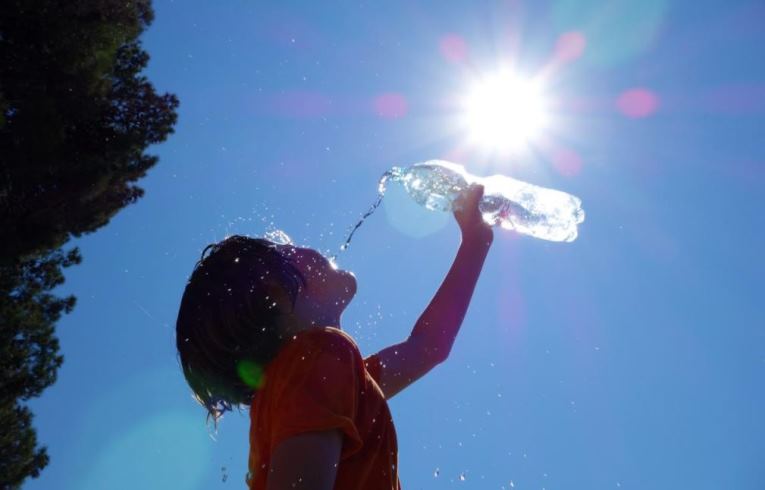
As temperatures soar above 40 degrees Celsius across the country, UNICEF warns of the impact of heatwaves on children’s health and well-being.
Children and infants are particularly vulnerable to heat as their core temperatures rise significantly faster than adults, putting them at risk of heatstroke and other illnesses.
“Children’s health and well-being are suffering under soaring temperatures across the country. The impact of heatwaves must be a catalyst for investment in mitigation and adaptation measures to protect children,” said Eri Dwivedi, UNICEF Representative a.i in Tajikistan.
Heat stress caused by heatwaves can lead to health problems such as dehydration and increased body temperature. Infants and young children have more difficulty regulating their temperatures, putting them at a heightened risk of heatstroke.
Adults experience heat differently to children, making it harder for them to recognize heat-related illness in children. Increase vigilance by parents and caregivers during the hot summer months is therefore critical.
Dehydration, which is more likely to occur during very hot periods, can lead to serious complications during pregnancy, including poor breast milk production and birth defects. For pregnant mothers, other serious symptoms can include premature labor or severe cramping.
Caregivers and pregnant mothers can protect their infants and children from heat stress if they are aware of the problem and know how to act.
To avoid heat stress, UNICEF recommends parents to: avoid going out at the hottest times of the day and not let your children play outside for a long period of time during the hottest summer months (June to August); monitor children at play and infants, have them rest every 30 minutes when exercising or playing outside (exercising or playing in high temperatures can quickly lead to dehydration and serious consequences for young children); ensure that all your children aged 6 months and over are drinking water regularly throughout the day (they may not be paying attention to their bodies, so adults need to help them stay hydrated); have your infants and children wear light, loose, breathable fabrics and use sunscreen (use umbrellas or hats outside for protection and apply plenty of sunscreen; close the curtains during the hottest parts of the day, open windows when it is hotter inside than outside and use fans and coolers when available; and ensure your infants and children sleep in cooler areas, such as lower floors of the house or building (use cotton sheets for bedding).
For pregnant or lactating mothers, UNICEF recommends to: breastfeed your infants under 6 months exclusively (breastfeeding mothers should drink plenty of water as dehydration can affect breastmilk production; pregnant women should avoid going out when it is hot (above 40°C); and pregnant women must rest when possible and share workloads with others when possible.
An analysis of the latest available data from 50 countries published by UNICEF on July 27 says around half of children in Europe and Central Asia – or 92 million – are exposed to high heatwave frequency. This is double the global average of 1 in 4 children exposed to high heatwave frequency.
Under the most conservative global temperature increase scenarios of 1.7 degrees Celsius, all children in Europe and Central Asia will be exposed to high heatwave frequency by 2050, 81 per cent are estimated to be exposed to high heatwave duration and 28 per cent are expected to be exposed to high heatwave severity.