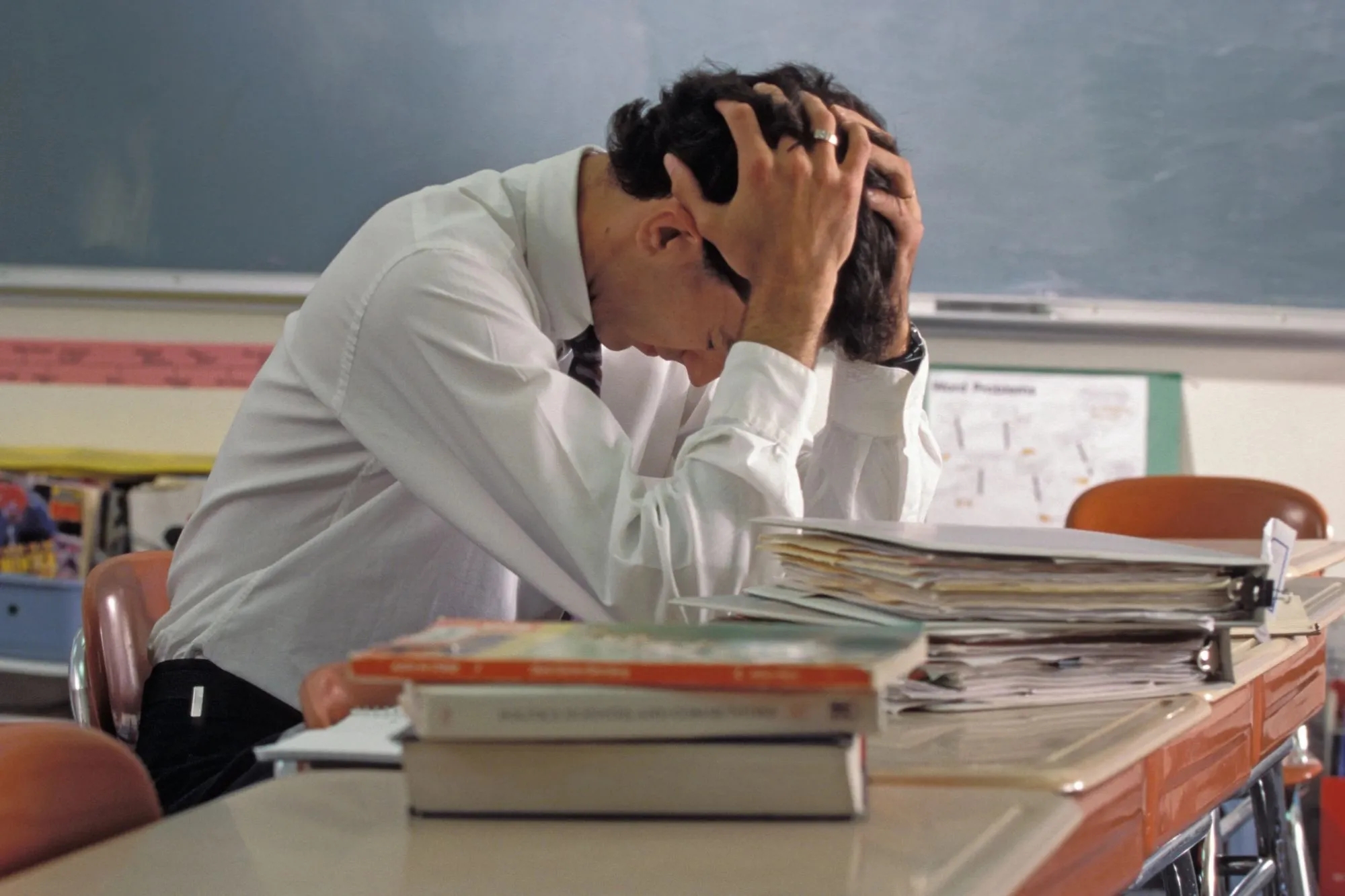
While teachers are expected to educate students, they are also often assigned to participate in cleanup campaigns, cotton harvesting, and mass public events. These non-teaching duties are contributing to the decline in the prestige of the profession. Today, being a teacher is neither honorable nor profitable, and respect for educators is steadily eroding.
Who stays in the profession?
Two main types of teachers remain in Tajikistan’s schools:
- Enthusiasts, often older individuals for whom teaching is a lifelong passion;
- Those who have no other options, working not out of vocation but necessity.
Harsh working conditions, low pay, excessive duties, and public pressure are creating a tense environment in schools. In such conditions, conflicts between teachers and students are no longer rare exceptions—they are becoming the norm.
A symptom of the system: teacher assaults student
A recent case that sparked public debate involved a teacher in a rural school in Levakant who struck a seventh-grade student after a dispute. The incident left the student injured and led to criminal charges against the teacher.
The event has drawn attention at both the school and national levels. Some argue that the punishment is excessive, while others emphasize that no educator should resort to violence. But the deeper issue is not the isolated act—it’s the systemic environment where such conflicts are likely to recur.
Root causes of the crisis
- Low wages — Teachers in Tajikistan earn among the lowest salaries in the region—around 1,700–1,900 somonis (roughly $150–$170 per month). Additional payments apply only to senior teachers or class supervisors, and even then, they are insufficient.
- Extra responsibilities beyond teaching — Teachers are often pressured to take part in street cleanups, cotton harvesting, and organizing mass events—duties that go far beyond their job description. This reinforces the perception of teachers as all-purpose workers rather than professionals.
- Declining social status — Society is showing less and less respect for teachers. The profession is no longer seen as prestigious or aspirational, which discourages young people from entering or staying in the field.
- Increasing classroom tensions — Teachers face growing disrespect from students, and the lack of legal and institutional support worsens the problem. In such an environment, even minor conflicts can escalate into serious incidents.
- Mismatch between expectations and support — Teachers often receive little backing from school administrations or the state, even as expectations for their performance continue to rise.
The consequences
- A rise in conflicts between students and teachers
- Deterioration in educators’ mental health
- An exodus of young and capable teachers
- Decline in teaching quality and classroom discipline
- Overall erosion of public trust in the education system
Possible solutions
- Higher salaries and benefits — Fair pay is a foundational step toward restoring motivation and dignity in the profession.
- Reducing non-teaching burdens — Authorities should reconsider or eliminate the practice of assigning unrelated duties like cleanup campaigns and mass events.
- Support for young teachers — Mentorship programs, professional development, and financial incentives for working in rural schools are essential.
- Stronger legal protections — Clear administrative procedures and legal frameworks are needed to protect teachers’ rights.
- Rebuilding respect for the profession — Public campaigns, media recognition, and a renewed societal appreciation for educators’ roles are vital to restoring the profession’s standing.