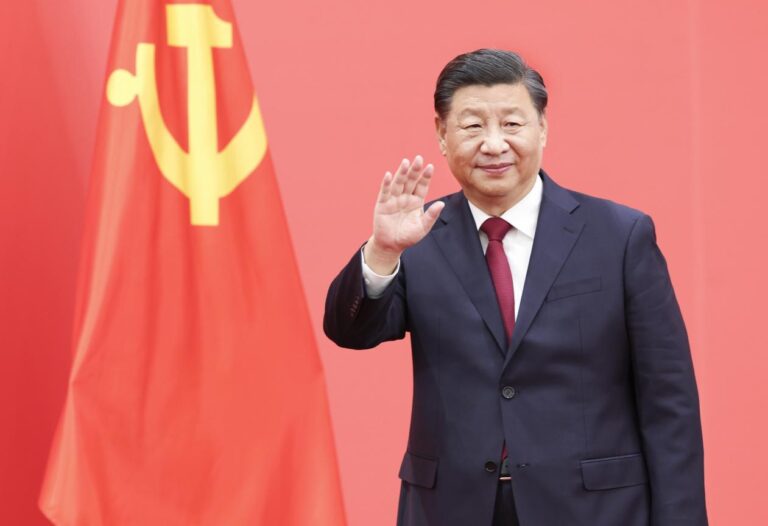
Eurasianet reports that China is strengthening its influence in Central Asia, leveraging education, economic initiatives, and cultural diplomacy to expand its soft power in the region. Recent developments highlight Beijing's growing role in shaping the region's future through scholarships, educational exchanges, and large-scale infrastructure projects.
In Turkmenistan and Kyrgyzstan, both ministries of education and higher learning announced scholarships for the 2026-27 academic year, funded by China, allowing students to study at Chinese universities. In addition, China’s embassies across Central Asia are promoting the Youth of Excellence Scheme, which offers graduate studies in China for mid-career government officials and business executives. Meanwhile, a delegation from Tajikistan’s State University of Commerce visited Xi’an University of Technology to discuss opportunities for educational exchange.
Increasing presence of Chinese students
While Chinese educational influence flows primarily in one direction, Kazakhstan reports that Chinese students constitute a significant portion of its international student body. According to the Ministry of Science and Higher Education, 3,367 of the 35,075 foreign students in Kazakhstan are from China, reflecting Beijing's strategic outreach to the region's youth.
Security cooperation and military exercises
China's involvement in Central Asia extends beyond education, with increasing security cooperation under the Shanghai Cooperation Organization (SCO). In December 2025, SCO members, including China, Russia, and several Central Asian states, participated in military and anti-terrorism exercises in Iran, marking the first Iranian-hosted SCO exercises. While experts suggest that the maneuvers were limited in scale and significance, they underscore China’s growing security ties in the region.
Economic engagement and regional integration
The Tianshan Forum for Central Asia Economic Cooperation, held in Urumqi, China, in December, saw the announcement of the creation of the Central Asia Regional Financial Cooperation Research Center. The center is expected to foster regional integration and better economic cooperation, although tangible outcomes from the forum were limited.
China's growing economic influence in Kazakhstan
China's economic presence in Central Asia is becoming increasingly evident, particularly in Kazakhstan, where Chinese investments are expanding. The Chinese ambassador to Kazakhstan, Han Chunlin, has worked to bolster Beijing's image, with his article on China’s poverty reduction efforts featured in over 16 Kazakh media outlets. Additionally, China’s Council for the Promotion of International Trade and Kazakhstan's Chamber of International Commerce signed an agreement to create a joint committee aimed at resolving trade and legal disputes.
Kazakhstan also continues to benefit from Chinese investments, with Xinjiang Lihua, a Chinese company, investing 58 billion tenge (approximately $111 million) in a cotton agro-complex in Kazakhstan's Turkestan region. Meanwhile, Kazakhstan’s national oil and gas company, KazMunaiGas, acquired a 50% stake in a joint venture with China’s Sinopec.
In transportation, Air China announced the launch of direct flights between Almaty and Chengdu, further enhancing business connectivity between Kazakhstan and China.
Uzbekistan and China: a growing partnership
Uzbekistan has also deepened ties with China, particularly in the energy sector. Over 30 energy projects worth $9 billion are underway with Chinese partners. Additionally, a new joint program between Uzbekistan’s Ministry of Investment and China’s National Development and Reform Commission aims to replicate China’s economic reforms and industrial models, further solidifying Beijing's influence in the Uzbek economy, especially in the burgeoning IT and AI sectors.
Kyrgyzstan: balancing economic ties with public sentiment
In Kyrgyzstan, public sentiment towards China remains mixed. Anti-Chinese sentiment continues to simmer, with officials working to counter negative perceptions. The Kyrgyz State Committee for National Security recently addressed rumors of mass marriages between Kyrgyz and Chinese citizens, attempting to calm rising concerns about Chinese influence. The Kyrgyz government has also lobbied China to ease restrictions on agricultural exports to the Chinese market, including horse meat and hides.
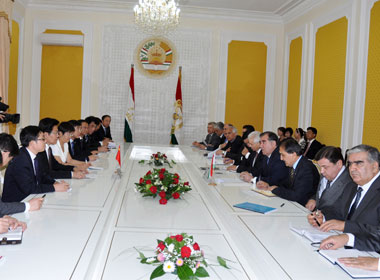
Kyrgyz officials are also working closely with Chinese investors, with a meeting organized in Bishkek to discuss strengthening bilateral ties and promoting "trust, security, and friendship" between Kyrgyz and Chinese citizens.
Cultural diplomacy in Tajikistan and Turkmenistan
Cultural exchange remains a key component of China’s soft power strategy in Central Asia. In Tajikistan, the Days of Culture event held in December 2025 included talks between Tajik officials and Chinese cultural representatives to enhance bilateral cultural and tourism exchanges.
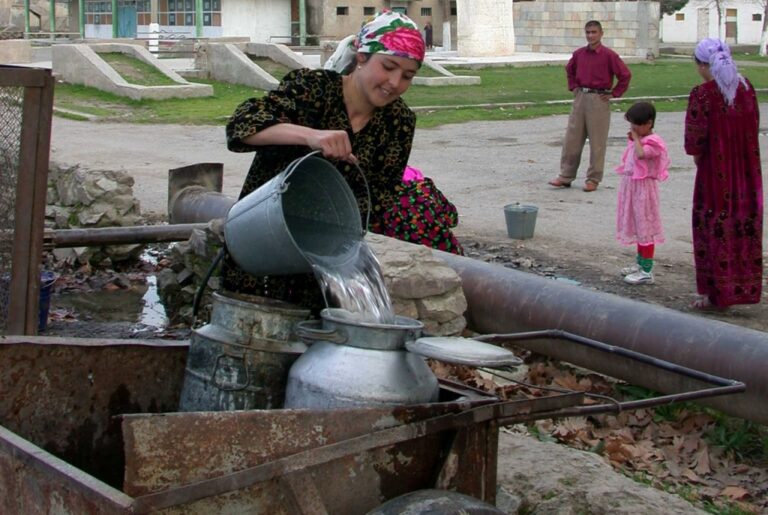
In Turkmenistan, China is supporting key infrastructure projects, such as the drilling of new wells at the Uzynada gas field and the supply of heavy equipment to Turkmenistan’s water-management agency, further solidifying economic ties between the two nations.
Conclusion
China’s strategic use of education, economic investment, and cultural diplomacy is expanding its influence across Central Asia. As the region’s economic and political dynamics shift, China’s soft power initiatives are poised to play a key role in shaping the future of Central Asia. Through scholarships, infrastructure projects, and cultural exchanges, Beijing is cementing its position as a dominant force in the region.