Misunderstanding of the president’s intentions: bank loans become “more expensive” in Tajikistan

In 2025, financial institutions in Tajikistan issued loans totaling 30.0 billion somoni (approximately $3 billion), according to the National Bank of Tajikistan (NBT). The country’s financial regulator notes that this represents a 21.1% increase compared to 2024. Of the total loan amount, 42.6% was allocated to consumer spending. The remaining loans were distributed as follows: […]

Asia-Plus

In 2025, financial institutions in Tajikistan issued loans totaling 30.0 billion somoni (approximately $3 billion), according to the National Bank of Tajikistan (NBT). The country’s financial regulator notes that this represents a 21.1% increase compared to 2024.

Of the total loan amount, 42.6% was allocated to consumer spending. The remaining loans were distributed as follows:

·         Trade and public catering: 13.4%

·         Agriculture: 11.8%

·         Industry: 8.3%

·         Services: 7.1%

·         Mortgages: 6.1%

·         Construction: 4.5%

·         Other sectors: 6.2%

At the end of 2025, the total outstanding loan portfolio of financial institutions stood at 26.1 billion somoni, which is 22.2% higher than at the end of 2024.

The average interest rate on loans in 2025 was 22.6% in the national currency and 11.7% in foreign currency. The foreign currency rate remained unchanged compared to the previous year, while the national currency rate increased by 0.5 percentage points, compared to 22.1% in 2024.

Recall that in his address to the parliament at the end of 2024, President Emomali Rahmon instructed the relevant authorities to take measures to reduce loan interest rates. Previously, in May 2018, he had tasked authorities with determining the real cost of loans and gradually lowering the interest rates.

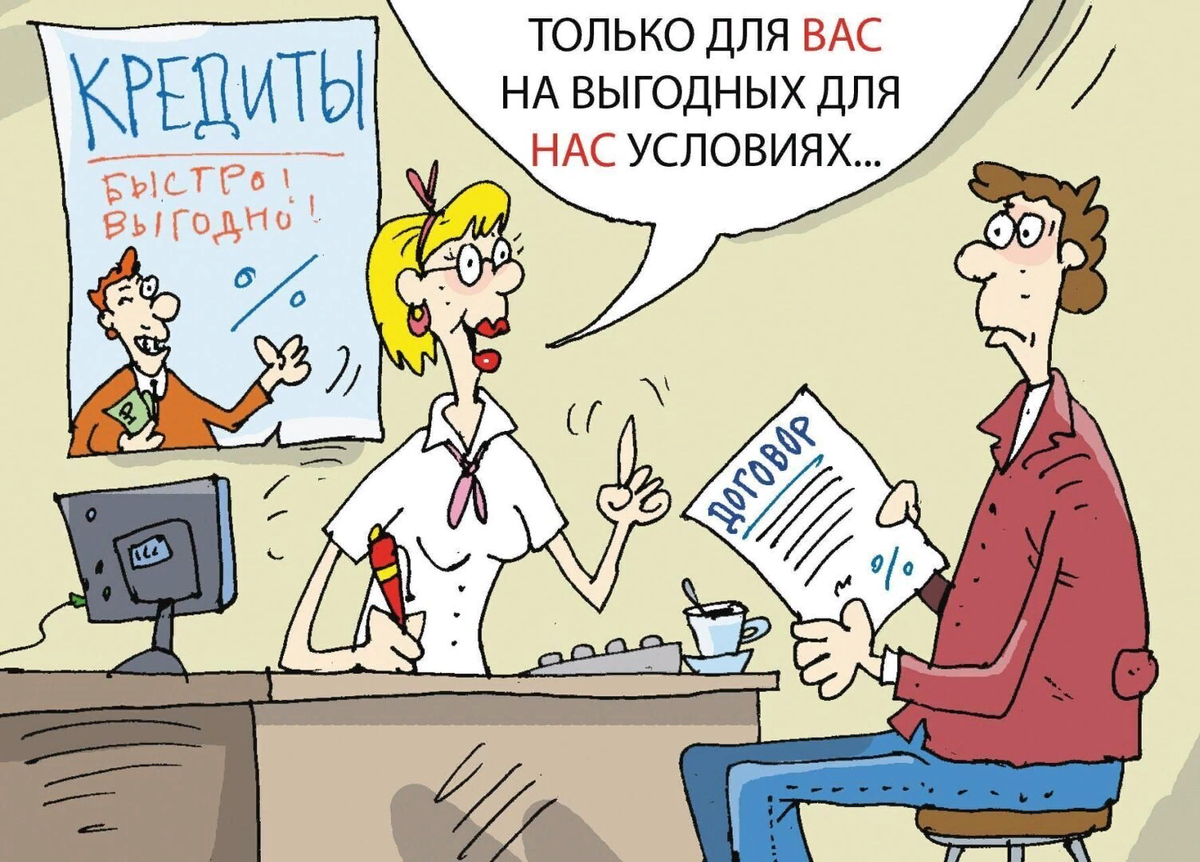
The inaccessibility of financing under favorable conditions remains a major barrier to business development. Entrepreneurs often face a lack of working capital and are forced to approach banks. However, high interest rates and difficulties with repayment often lead them to take out loans in hopes of success, but they don't always manage to repay them.

Moreover, most banks offer short-term loans, while entrepreneurs typically require long-term financing.


Article translations:

Related Articles

Оби зулол

Most Read

Join us on social media!

Recent Articles

Tajikistan Has Determined the Number of Quotas for Attracting Foreign Labor

Almost 62% of the quotas this year will be allocated to Chinese citizens.

Why does eDonish confuse login and grades? Analyzing mistakes with “Smart City”

Parents of Dushanbe schoolchildren are complaining about the incorrect functioning of the digital educational platform.

Global Growth for Tajikistan Startups: Applications Open for Silkway Accelerator

Teams from Tajikistan, Uzbekistan, Kyrgyzstan, Kazakhstan, Turkmenistan, Azerbaijan, Georgia, and Mongolia are invited to participate.

An international forum on sustainable development Green. Digital. Smart will be held in Dushanbe

Representatives of governments and experts from more than 50 countries will participate in the five-day forum.

Tax Burden in Tajikistan: What Lies Behind the Numbers?

The highest tax burden in Central Asia is in Tajikistan, while the lowest is in Uzbekistan.

Maroon Beret as a Symbol of Courage: Tajikistan Conducts Elite Special Forces Trials for the First Time

150 fighters competed for the right to wear the maroon beret, which is associated worldwide with elite special forces.