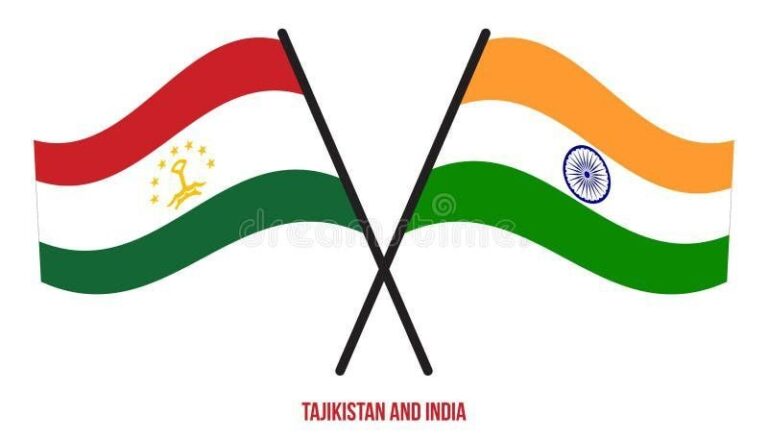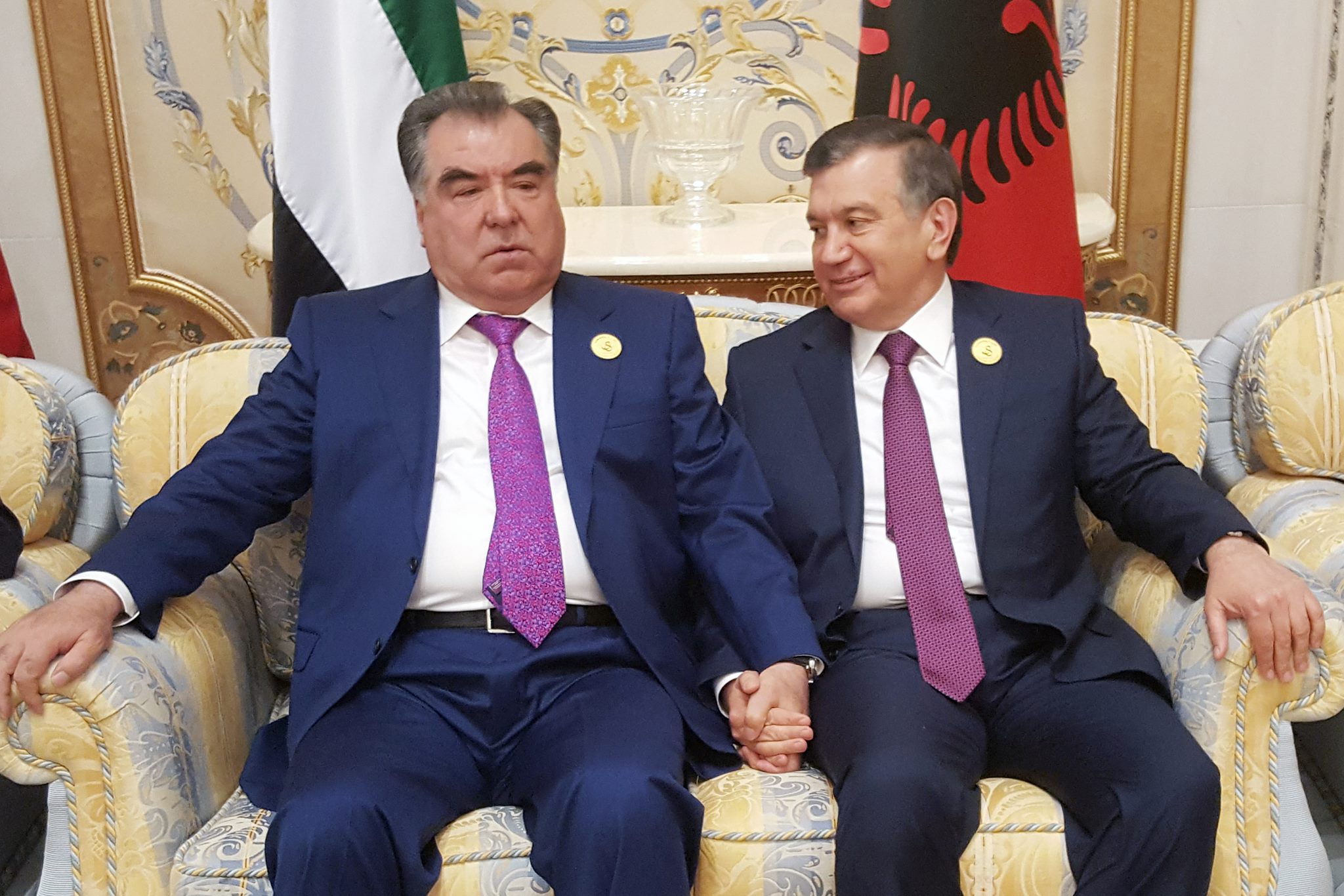
Tajikistan and Uzbekistan have reached an agreement on the visa regime and problems of control of “Farhod” water reservoir, which is the most disputable stretch along the two countries border, an official source in the Tajik government told Asia-Plus Thursday afternoon.
According to him, Dushanbe and Tashkent are expected to sign a government-to-government agreement on mutual travels of citizens soon. “Under this document, the nationals of the two countries will be eligible to stay without visas in the territory of Tajikistan and Uzbekistan during a month,” the source said.
The sides reportedly also agreed to launch train and bus routes and open new border crossing points (BPCs) along the mutual border.
“The sides have come to an agreement that the territory in which the “Farhod” hydropower plant is located will be recognized as territory of Tajikistan while the hydropower facility itself will be recognized as property of Uzbekistan. Tajikistan will guard the facility and Uzbekistan will be engaged in maintenance of it,” the source said, noting that the session of the Tajik-Uzbek commission for delimitation and demarcation of the mutual border that took place in Dushanbe on January 10 was efficient and fruitful.
Relevant ministries and agencies of the two countries have reportedly been ordered to work out draft agreements on cooperation in the transportation, trade and border spheres.
All these agreement will be signed during a state visit of Uzbek President Shavkat Mirziyoyev to Tajikistan in spring this year, the source added.
Recall, the Tajik-Uzbek border delimitation talks have been stalled since February 2009 after Tajikistan rejected Uzbekistan’s proposal to give up some disputed lands to the Tajik side on condition that Tashkent will gain full control of “Farhod” water reservoir along the mutual border of two countries.
The first after a break of three yeas border talks between Tajikistan and Uzbekistan took place in Dushanbe on February 21-22, 2012.
On April 24, 2015, top border officials of Tajikistan and Uzbekistan met in the Tajik northern city of Khujand. The two sides reportedly discussed issues around protecting common borders in 2014 and ways of improving the processes of doing so in future.
In November 2016, a working group began reviewing solutions to definitively outlining the 10 percent of the 1,333-kilometer border still under discussion.
Meanwhile, by government’s decree Tajik new border commission is headed by Prime Minister Qohir Rasoulzoda and its members include Azim Ibrohim, Deputy Prime Minister, Sirojiddin Aslov, Minister of Foreign Affairs, Rustam Shohmurod, Minister of Justice, Rajabboy Ahmadzoda, Chairperson of the State Committee on Land Management and Geodesy, and some other officials. In all, the list of the commission members includes nineteen persons.
Following the collapse of the Soviet Union in 1991, ties between Tajikistan and Uzbekistan have often been tense due to disagreements on issues including borders, water, energy resources, and transit routes.
Relations between the countries have become warmer after Shavkat Mirziyoyev came to power in Uzbekistan in 2016. Mirziyoyev has said that improving ties with Central Asian nations is a major priority of Uzbekistan’s foreign policy.
Shavkat Mirziyoyev is expected to pay an official visit to Tajikistan this year. A source in the Tajik government says Uzbek president is expected to pay visit to Dushanbe in spring this year.
Recall, Mirziyoyev told lawmakers in the Tashkent region on January 6 that important bilateral agreements would be signed during his visit. No dates have yet been provided, but the trip is likely imminent. “We will sign many agreements on cooperation in the railway and energy spheres. We will also be considering many other issues,” he said.
“We need to establish good mutual relations with all our neighbors,” noted Mirziyoyev. “But this takes time. It is not easy to break ice that has been frozen over for 20 years.”