UNICEF: Afghanistan marks three years since the start of the ban on girls’ secondary education

“As a new school year begins in Afghanistan, it marks three years since the start of the ban on girls' secondary education. This decision continues to harm the future of millions of Afghan girls. If this ban persists until 2030, over four million girls will have been deprived of their right to education beyond primary […]

Asia-Plus

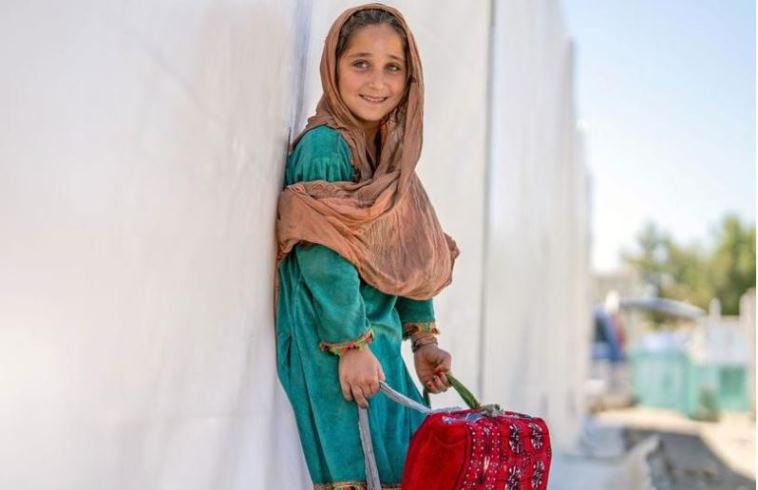
“As a new school year begins in Afghanistan, it marks three years since the start of the ban on girls' secondary education. This decision continues to harm the future of millions of Afghan girls. If this ban persists until 2030, over four million girls will have been deprived of their right to education beyond primary school,” says a statement released by UNICEF Executive Director Catherine Russell on March 22.

“The consequences for these girls – and for Afghanistan – are catastrophic.

“The ban negatively impacts the health system, the economy, and the future of the nation.  With fewer girls receiving an education, girls face a higher risk of child marriage with negative repercussions on their well-being and health.

“In addition, the country will experience a shortage of qualified female health workers. This will endanger lives.

"With fewer female doctors and midwives, girls and women will not receive the medical treatment and support they need.  We are estimating an additional 1,600 maternal deaths and over 3,500 infant deaths.  These are not just numbers, they represent lives lost and families shattered.

“For over three years, the rights of girls in Afghanistan have been violated. All girls must be allowed to return to school now.  If these capable, bright young girls continue to be denied an education, then the repercussions will last for generations.  Afghanistan cannot leave half of its population behind.

“At UNICEF, we remain unwavering in our commitment to Afghan children – girls and boys.  Despite the ban, we have provided access to education for 445,000 children through community-based learning—64 per cent of whom are girls.  We are also empowering female teachers to ensure that girls have positive role models.

“We will continue to advocate for the right of every Afghan girl to receive an education, and we urge the de facto authorities to lift this ban immediately.  Education is not just a fundamental right; it is the pathway to a healthier, more stable, and prosperous society,” the statement says.


 

Article translations:

Related Article

Оби зулол

Most Read

Join us on social media!

Recent Articles

Mudflows and dust storms expected in Tajikistan

Citizens are urged to protect themselves from dust.

Russia doubles temporary stay duration for truck drivers from CIS and Georgia

Tajik drivers will have their term increased from 90 to 180 days a year.

How a guide dog project could help people with visual impairments in Tajikistan

In Tajikistan, there is an enthusiast who can build such a school, but he urgently needs help, primarily financial.

Wildberries opened access to the platform for all sellers from Tajikistan

Now local brands, manufacturers, and individual entrepreneurs can enter the largest online platform and expand their sales market.

CMWP Uzbekistan: The boutique hotel market in Tajikistan shows the fastest growth in the region

Such hotels in the republic offer their guests a high level of comfort and convenience.

Emomali Rahmon signs decree on increasing salaries and paying bonuses to IT sector workers

The document provides for the creation of a new incentive system for specialists in the field of information technology.

Not advertising, but influence: what was discussed at IMPACT Creative Night and why businesses need meaning today

Today, audiences trust direct advertising less and less, which means brands have to compete not for attention, but for trust and a place in the agenda.

Russia extends the experiment on collecting biometrics from foreigners

The decision was justified by the necessity of gradually modernizing all border crossing points.

“Convenient, affordable, and cheap”: Dushanbe residents speak out on raids against shared taxis

They say that late at night buses and trolleybuses disappear from the streets, so cheap route taxis remain the only way for many to get home.