DUSHANBE, August 5, 2015, Asia-Plus — The World Bank’s report
Tajikistan Overview
notes that the Government of Tajikistan has set ambitious goals to be reached by 2020: to double GDP, to reduce poverty to 20 percent, and to expand the middle class.
To achieve these goals Tajikistan would need to fundamentally alter its current consumption-driven growth model, which is ultimately unsustainable.
According to the report, fuelled by the remittances of migrant workers, as well as higher wages in state-owned enterprises, the service sector is expanding while the small industrial sector is contracting. Job creation is insufficient to absorb the youth bulge and wage growth has outpaced that of labor productivity.
To achieve higher growth, Tajikistan needs to implement a deeper structural reform agenda designed: 1) to reduce the role of the state and enlarge that of the private sector in the economy through a more conducive business climate, thus increasing private investment and generating more productive jobs; 2) to modernize and improve the efficiency and social inclusiveness of basic public services; and 3) to enhance the country’s connectivity to regional and global markets and knowledge.
The difficult environment for doing business in Tajikistan as well as obstacles to foreign direct investment have discouraged private investment and limited overall investment. Averaging about 15 percent of GDP annually since 2008, total investment is low by regional and international standards. Public investment accounts for 80 percent of the total, or 12 percent of GDP, and private investment for 20 percent, or only 3 percent of GDP—much lower than the Europe and Central Asia developing country average.
The main obstacles cited by both local and foreign entrepreneurs are inadequate infrastructure, in particular insufficient and unreliable energy supply, the weak rule of law, especially as regards property rights, and tax policy and administration, the report says, noting that increased private investment and new business development are crucial prerequisites for increased job creation.
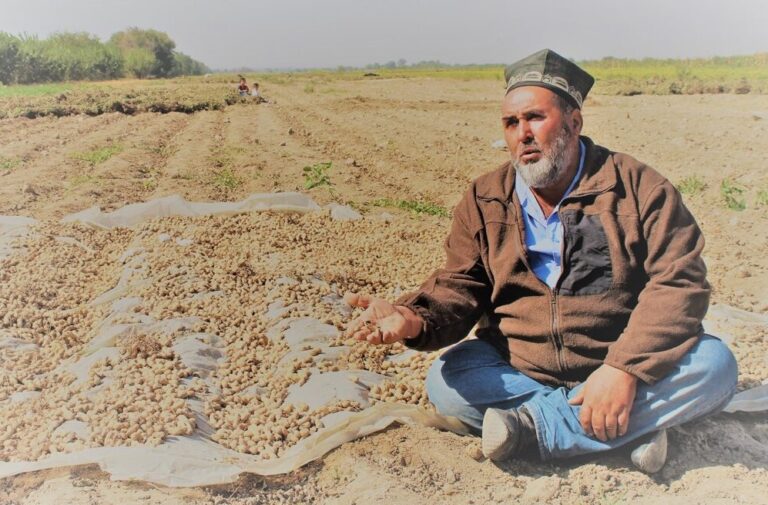
With 20 percent of GDP and 53 percent of employment, the agriculture sector in Tajikistan offers a solid foundation for economic development.
Meeting Tajikistan’s energy demand will be important as part of the agenda to reduce poverty and create an enabling environment for private businesses. Approximately 70 percent of the population suffers from extensive electricity shortages during winter. The shortages increased considerably starting in 2009, when Tajikistan’s power network was severed from the Central Asia Power System and power trade with Central Asian countries stopped. Electricity shortages in winter are estimated to be at least 2,000 gigawatt-hours, or about 20 percent of winter electricity demand.
Tajikistan is also faced with a young and rapidly growing population. Recent estimates show that 55 percent of the population in Tajikistan is under the age of 25, making improved public services in social sectors (education, health, and social protection), as well as job creation, imperative components of Government’s Poverty Reduction Strategy.