DUSHANBE, August 12, 2016, Asia-Plus — The United States Commission on International Religious Freedom (USCIRF) urges the U.S. government to influence the Tajik authorities.
In its report released on August 10, USCIRF, in particular, recommends that the U.S. government should press the Tajik government to bring the 2009 religion law and other relevant laws into conformity with international commitments, including those on freedom of religion or belief, and publicly criticize violations
USCIRF also calls on the U.S. government to urge the Tajik government to permit visits by the UN Special Rapporteurs on Freedom of Religion or Belief, the Independence of the Judiciary, and Torture, set specific visit dates, and provide the full and necessary conditions for such visits.
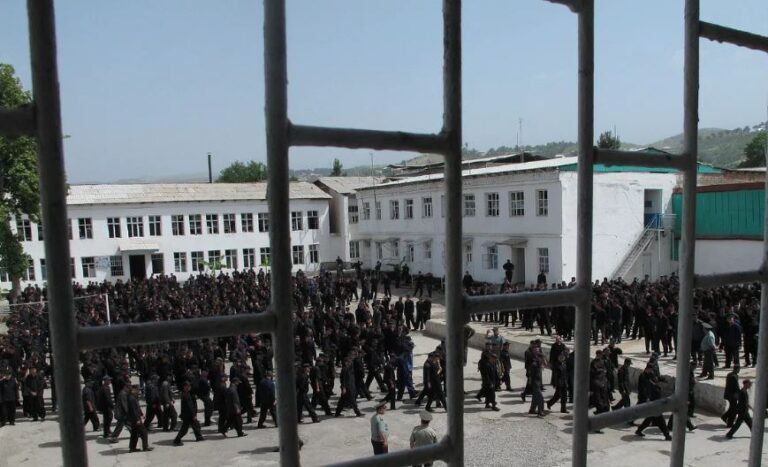
Besides, USCRIF proposes that the U.S. government should press for at the highest levels and work to secure the immediate release of individuals imprisoned for their peaceful religious activities or religious affiliations.
USCRIF also notes that the U.S. Embassy in Dushanbe should continue monitoring the trials of individuals charged on account of their religious activities or affiliations, maintaining appropriate contacts with human rights activists, and pressing the Tajik government to ensure that every prisoner has greater access to his or her family, human rights monitors, adequate medical care, and a lawyer.
It also recommends that the U.S. government should ensure that U.S. assistance to the Tajik government, with the exception of aid to improve humanitarian conditions and advance human rights, be contingent upon the government establishing and implementing a timetable of specific steps to reform the religion law and improve conditions of freedom of religion or belief.
The report notes that the Tajik authorities suppress and punish all religious activity independent of state control, particularly the activities of Muslims, Protestants, and Jehovah’s Witnesses.
USCRIF says that the Tajik NGO Sharq Analytical Center reports the Tajik authorities’ policies have widened the gap between official and unofficial Muslim clergy, leading to popular mistrust of Muslim institutions.
The government has reportedly expressed concern over the increasing number of Tajik officials who reportedly have become Salafis. The Sharq Analytical Center reports that Salafism has become increasingly popular among the Tajik elite.
Recall that in its report released on May 2 USCIRT recommended that the U.S. Government designate Tajikistan a “country of particular concern.”
Created by the International Religious Freedom Act of 1998, the United States Commission on International Religious Freedom (USCIRF) is an independent, bipartisan U.S. federal government commission. USCIRF Commissioners are appointed by the President and the leadership of both political parties in the Senate and the House of Representatives. USCIRF”s principal responsibilities are to review the facts and circumstances of violations of religious freedom internationally and to make policy recommendations to the President, the Secretary of State, and the Congress. It is funded entirely by the federal government on an annual basis and its staff members are government employees.