An article entitled “Uzbekistan: The Suddenly Good Neighbor” that was posted on the Radio Liberty’s website on October 4 notes that Uzbekistan's new leader, Shavkat Mirziyaev, is already making a difference in regional politics in Central Asia. In less than one month, Mirziyaev has reportedly moved to improve ties with Kazakhstan, Kyrgyzstan, and Tajikistan, and in so doing has sparked hopes for a new era of regional cooperation.
Under former President Islam Karimov, Uzbekistan was an obstacle to regional integration, according to the article. Uzbekistan lies at the center of Central Asia, bordered by all the other Central Asian states and also sharing an approximately 160-kilometer border with Afghanistan. Uzbekistan has proven to be a knot at the heart of the region.
The Uzbek government has always been hard on eastern neighbors Kyrgyzstan and Tajikistan.
The article says that Uzbek-Tajik ties have probably been the worst bilateral ties across Central Asia. All railway traffic bound for or leaving Tajikistan must transit Uzbek territory and Uzbek authorities have on occasion held up, and in cases turned back, shipments to Tajikistan — particularly shipments of construction materials for Tajikistan's hydropower plants. Both countries have tried and convicted their own nationals on charges of spying for the other country.
Tajik President Emomali Rahmon attended Karimov's funeral in Samarkand on September 3 and met with Mirziyaev. At the end of September, Tajik media enthusiastically reported on Uzbek Foreign Minister Komilov's September 23 speech at the UN General Assembly, which, for once, did not include any mention of Tajikistan's plans to build the Roghun hydropower plant. Roghun has been a major sticking point in relations between the two countries.
Komilov traveled to Tajikistan on September 29 and met with President Rahmon to discuss renewing the railway and air links, and economic ties in general, between the two countries. Flights between Tashkent and Dushanbe were suspended in 1992 and trade between the two countries was only some $10 million in 2015, which was actually an increase of more than 50 percent compared to 2014.
Komilov did mention he hoped the two countries could find a fair and mutually advantageous solution to water and energy problems.
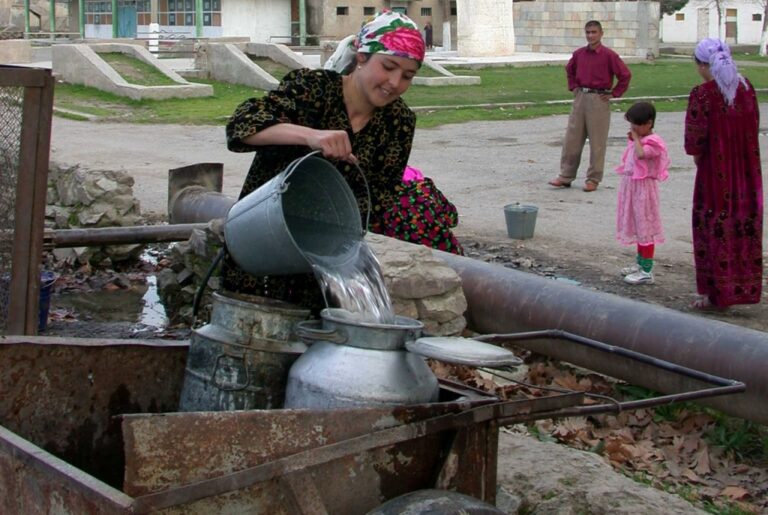
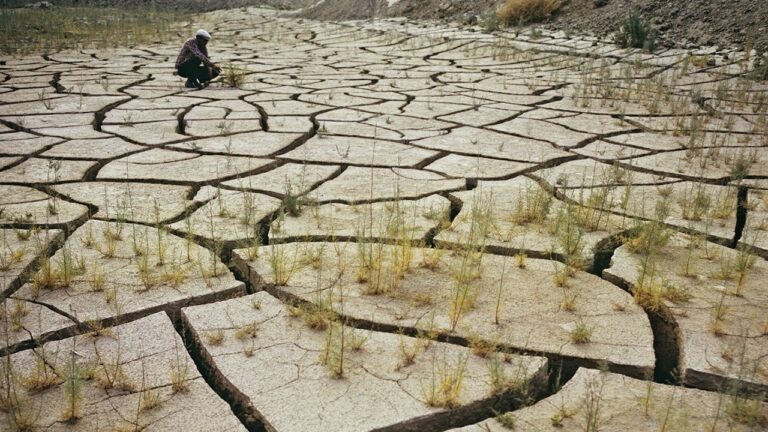
In the case of Kyrgyzstan and Tajikistan, water has always been one of Uzbekistan's key interests in relations. In the past, Uzbekistan cut off supplies to natural gas to its two eastern neighbors when Tashkent was displeased with moves in Bishkek or Dushanbe, as almost always happened when either country spoke about building large hydropower plants on the rivers that flowed into Uzbekistan. Tashkent has maintained that construction of those huge hydropower plants threatens the water supply to Uzbekistan's agricultural fields.
That form of pressure no longer works, since both Kyrgyzstan and Tajikistan have turned to their abundant domestic supplies of coal to wean themselves off Uzbek gas. In Kyrgyzstan's case, Bishkek sold the state natural-gas company to Russia's Gazprom which uses gas from sites it has helped develop in Uzbekistan to serve the energy needs of Kyrgyzstan.
Kyrgyzstan is still far from constructing the Kambar-Ata hydropower plant, the project that angered Karimov's government. Tajikistan might be closer to realizing the Roghun hydropower plant after the Italian firm Salinin Impregilo expressed interest in the project earlier this year.
So, Uzbekistan's new softer line toward its fellow Central Asian states might be a signal that Tashkent is willing to try the "carrot" rather resorting to the "stick," as it has for many years now.
Uzbekistan might also be considering the benefits of looser border controls, which could open the way for it to take advantage of its geographic position and become the main trade hub in Central Asia, the article says.