

By financial support of Swiss Agency for Development and Cooperation (SDC) and in consultation with the Ministry of Energy and Water Resources of the Republic of Tajikistan, Oxfam in Tajikistan is anticipating its next ‘Network of Stakeholder Organizations on Sustainable Water Supply and Sanitation’ – an official decision making platform of “Tajikistan Water Supply and Sanitation” Project that push forward water and sanitation policies for improvement of access to clean water and sanitation facilities, and development of efficient management models for water management and sanitation services in rural areas.
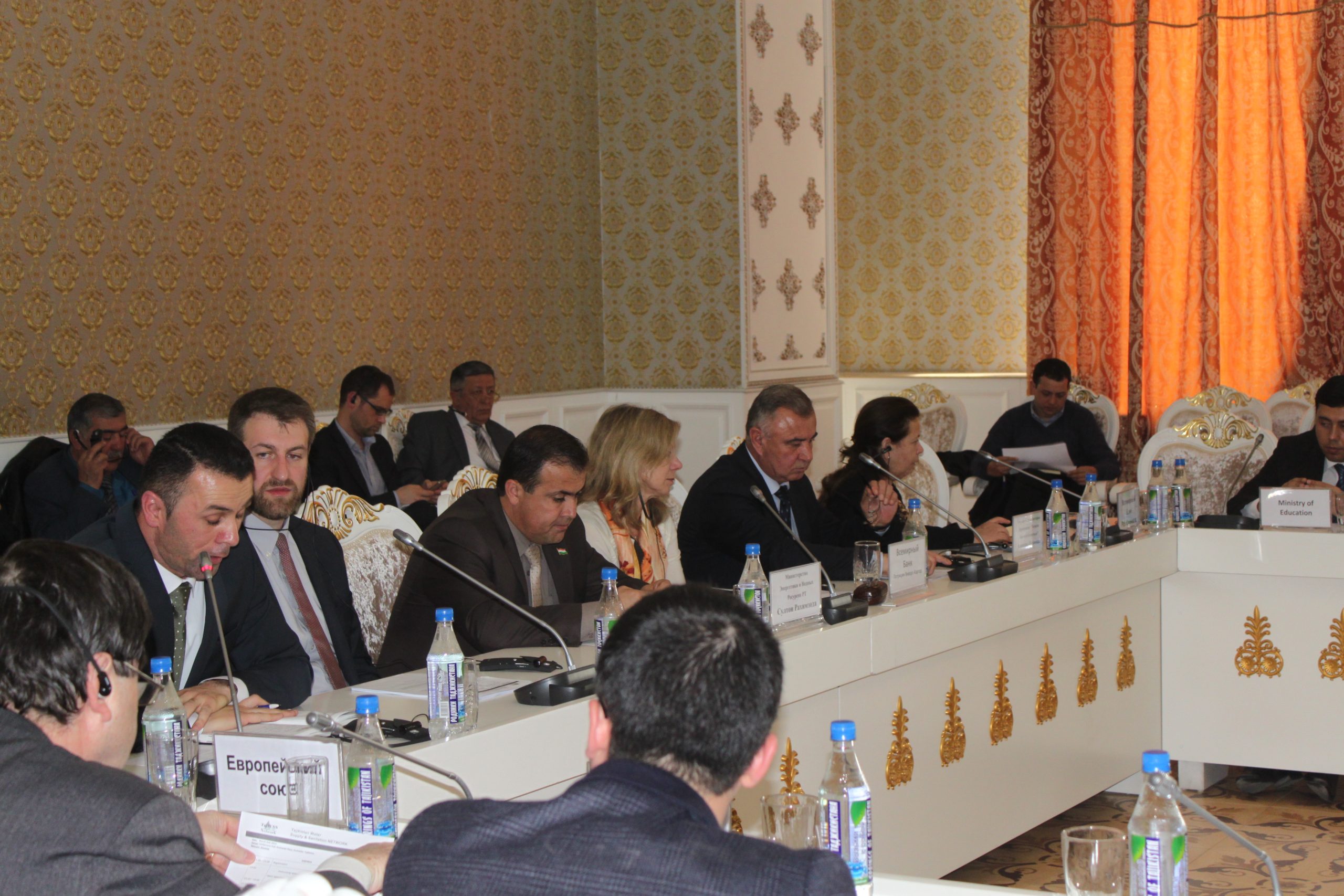
The event is being held at Sheraton Dushanbe Hotel today with participation of policy makers from the Ministry of Energy and Water Resources and respective Government departments of Republic of Tajikistan, international development partners, civil society, media and local community members.
According to Oxfam in Tajikistan, the given Network has been recognized as a tracing power and an influencing tool to pitch out existing and/or growing challenges in water sector and provides an opportunity for government, policy makers, international development partners and water service providers to share achievements, highlight effective lessons, sustainable holistic practices applicable in country’s context. The Network significantly contributed to the development of Law on Drinking Water and played a crucial role during the stakeholder consultations for setting national targets under the Water and Health Protocol in 2013. The network members also took an active part in revision and reshaping of national policies concerning tariff calculation, the taxation system, ownership of water supply systems and construction permits.
The Network has already created a collaborative decision making environment and supports a performance-driven culture to exchange mutual concerns over water issues mirroring UN General Assembly’s adopted resolution on “International Decade for Action “Water for Sustainable Development”, 2018-2028″.
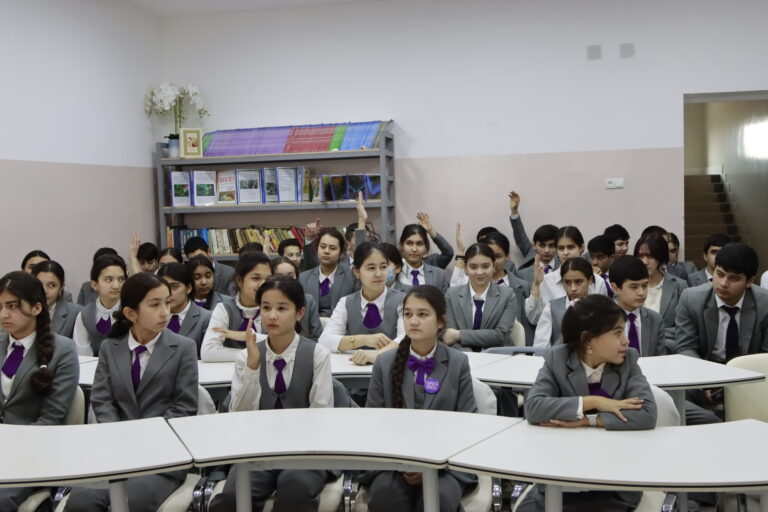
During the last 5 years Oxfam in partnership with UNDP provided drinking water to 24,700 people (2,901 households, 50% women) in 10 villages of Roudaki, Muminobod and Kulob districts. The project helped establish five rural water service providers (WUA, Mahalla Committee) and supported district Vodokanal to operate water supply systems in their respective constituencies. Moreover, 8 schools and 4 medical centers were provided with improved sanitation facilities e.g. toilets and washing basins, and more than 24,323 community residents and school children have been engaged in hygiene promotion and education.
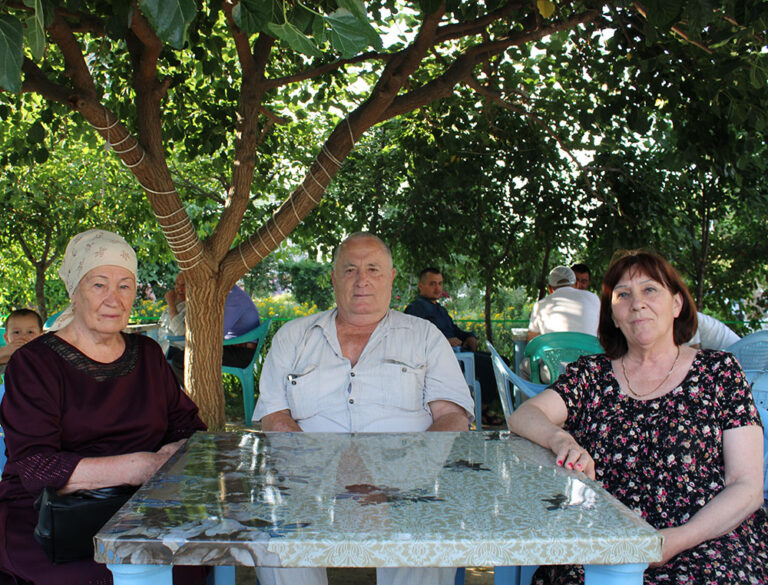
Ms. Olambi Latifova, Head of Community Advisory Board in Muminobod: When such an opportunity is given to communities to take part in consultations with government officials, I believe, this helps them a lot to define the real problem based on our feedback and make decisions quickly. Only communities’ experiences determine whether policies work, why or why not.
Oxfam wishes the upcoming Network Meeting of Stakeholders will be a perfect opportunity to discuss the progress made in rural water and sanitation service provision, as well as policies, and to shape our standing with regard to adoption of integrated approach to WASH services in Tajikistan.
The ‘Network of Stakeholder Organizations on Sustainable Water Supply and Sanitation’ was launched in November 2009 with the support of the Government of Tajikistan (GoT) and chaired by the First Deputy of the Prime Minister of the Republic of Tajikistan (RT). The Network financial support provided by the Swiss Agency for Development and Cooperation (SDC) with proactive facilitation of Oxfam- as an implementer of the SDC-funded Tajikistan Water Supply and Sanitation (TajWSS) project.
In Tajikistan, Oxfam works to provide equitable access to safe drinking water and sanitation, promote and support fair economic development, and addresses gender issues. The cross-cutting themes of Oxfam's programs are good governance, adaptation to climate change and disaster preparedness of the population in rural areas. Oxfam also operates at the national and local levels and engages with a number of local organizations and institutions working towards increasing capacity of local state and non-state actors.