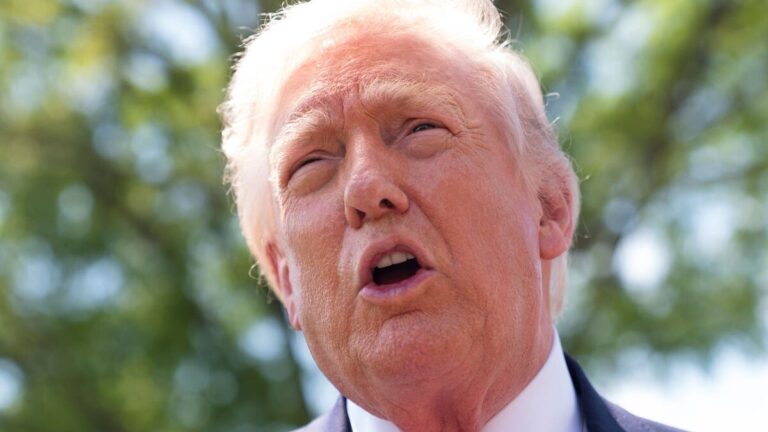
President Donald Trump announced Tuesday night that he is halting funding to the World Health Organization (WHO).
The move follows weeks of Trump’s escalating attacks on the U.N. health organization as he has sought to deflect scrutiny of his own administration's slow response to the outbreak.
US President Donald Trump said on April 14 that he had instructed his administration to suspend funding to the WHO over its handling of the coronavirus pandemic, in a move that drew immediate condemnation, according to Al-Jazeera.
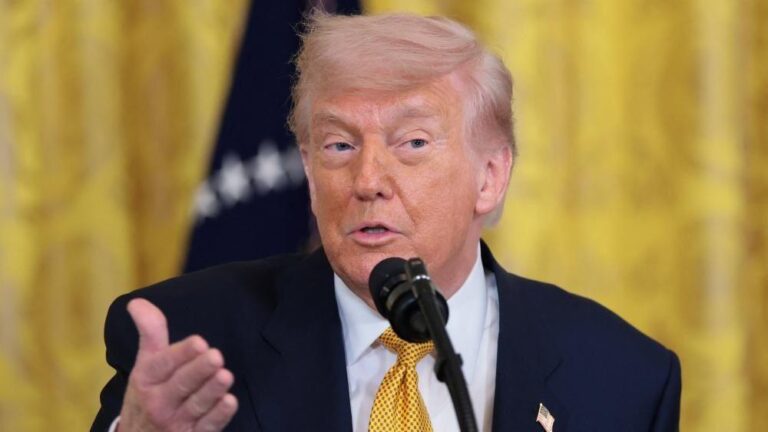
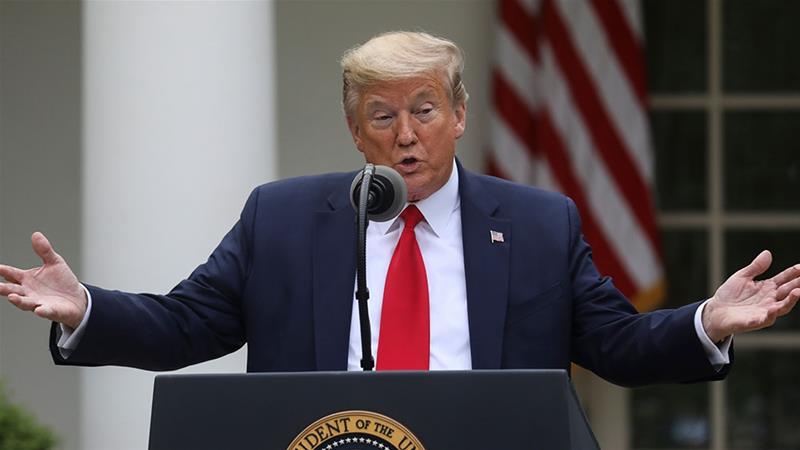
President Trump, at a White House news conference, claimed the WHO had "failed in its basic duty and it must be held accountable".
Trump said the US would continue to engage with the WHO in pursuit of what he calls meaningful reforms. He added that the “hold” on funding would continue while the US reviews the organization’s warnings about the coronavirus and China.
The move drew swift blowback from the medical community, which said it would undercut global efforts to combat a disease that’s sickened nearly 2 million people worldwide and still has no proven cure or vaccine.
“Fighting a global pandemic requires international cooperation and reliance on science and data,” said Patrice Harris, president of the American Medical Association, who urged the administration to reconsider, according to POLITICO.
United Nations Secretary-General Antonio Guterres said it was "not the time" to be reducing funds to the WHO or any other organization fighting the pandemic.
“Now is the time for unity and for the international community to work together in solidarity to stop this virus and its shattering consequences,” Guterres said in a statement.
Trump's move to defund WHO reportedly goes against the pandemic preparedness plan his administration drafted in 2017, which advocates for “expanded international coordination on pandemic preparedness and response” and specifically calls for “continued support” for WHO.
The United States is the largest single contributor to the WHO. It gives the body about $500m each year, with $116m mandated by the UN and about another $400m in voluntary payments, according to Financial Times.
Cutting off funds to the group, which has a $4.8 billion annual budget, will be a major blow to the organization as it conducts vaccine trials, distributes test kits and advises governments around the world.