Tajikistan’s exports saw significant growth in 2025, reaching $2.5 billion, a 26% increase compared to the previous year. At the same time, imports also surged, totaling $8.3 billion. New trends are emerging in the country’s trade structure, with both exports and imports on the rise, reshaping the country’s economic landscape.
Top 7 export goods
According to the Customs Service, Tajikistan’s export volume in 2025 reached approximately $2.5 billion, marking a 26% growth from 2024.
Tajikistan’s export growth in 2025 has been driven by key categories of goods, with mineral resources and metals leading the charge.
The breakdown of export growth in percentage terms is as follows:
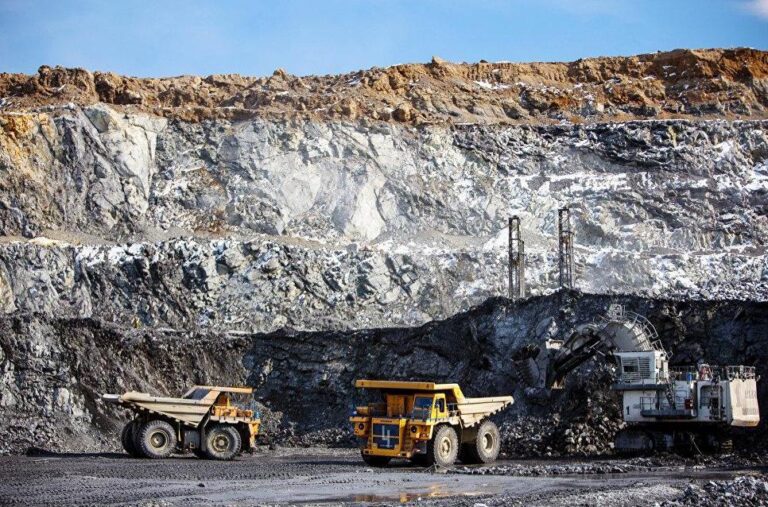
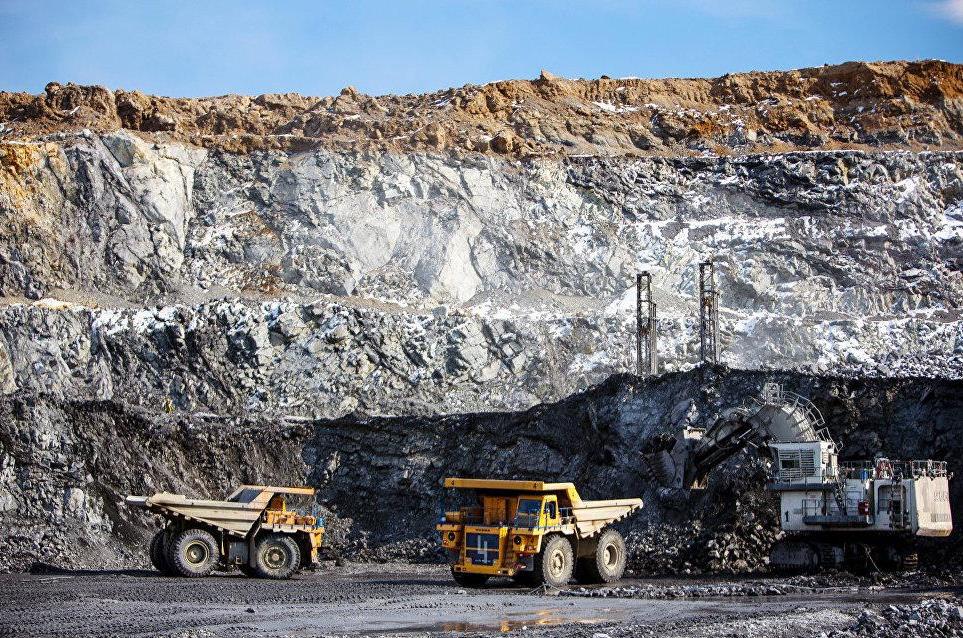
25.30% — Useful minerals and concentrates (mainly mineral resources)
20.50% — Ores and products made from them (metals and metal products)
8.50% — Primary aluminum (unrefined aluminum)
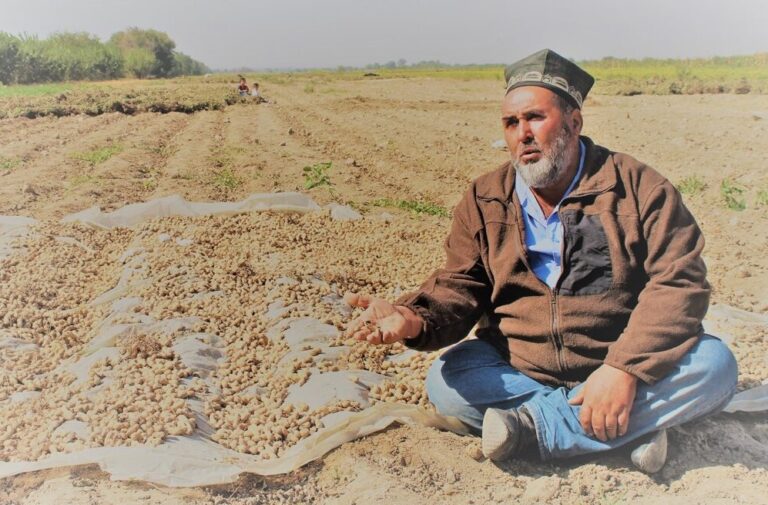
5.80% — Cotton fiber (raw cotton)
4.0% — Electricity (electric energy)
4.10% — Fruits and vegetables (fresh and processed agricultural products)
31.80% — Other goods (including miscellaneous and diverse export items)
The data shows that while minerals, metals, and aluminum remain the leading export categories, there is a significant contribution from agricultural products like cotton, fruits, and vegetables. The country’s overall export strategy continues to evolve as trade grows across multiple sectors.
Top 10 imported goods
In 2025, imports of goods amounted to about $8.3 billion, an increase of $1.3 billion or 18.6% compared to 2024.
Tajikistan's import landscape in 2025 has been marked by a significant increase across several key categories.
The top 10 imported goods were as follows:
1. Refined petroleum products — $959.3 million (11.6%)
2. Passenger cars — $685 million (8.3%)
3. Wheat — $301 million (3.6%)
4. Timber and wood materials — $249 million (3%)
5. Liquefied natural gas — $239 million (2.9%)
6. Mobile phones — $146.7 million (1.8%)
7. Sugar — $117.5 million (1.4%)
8. Vegetable oil — $110.2 million (1.3%)
9. Fruits and vegetables — $102.8 million (1.2%)
10. Aluminum oxide (alumina) — $101.8 million (1.2%)
The import data highlights a diverse range of products, with refined petroleum products and cars taking the largest shares, while food staples like wheat, sugar, and vegetables also constitute significant portions of imports. This data reveals the ongoing reliance on both energy resources and consumer goods as Tajikistan continues to expand its trade relationships.