Tajikistan radioactive management safety issues discussed in Moscow

Issues related to radioactive management safety in Tajikistan were discussed at a meeting of the CSI Economic Council that took place in Moscow on March 2.  The CIS Executive Committee press center says the meeting also discussed issues of removal of nuclear and radiation hazardous facilities from service.      Second Environmental Performance Review of Tajikistan released […]

Asia-Plus

Issues related to radioactive management safety in Tajikistan were discussed at a meeting of the CSI Economic Council that took place in Moscow on March 2. 

The CIS Executive Committee press center says the meeting also discussed issues of removal of nuclear and radiation hazardous facilities from service.     

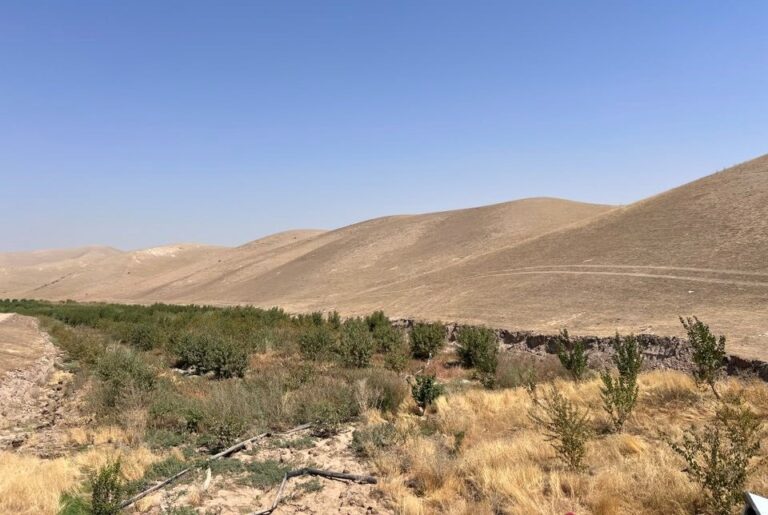
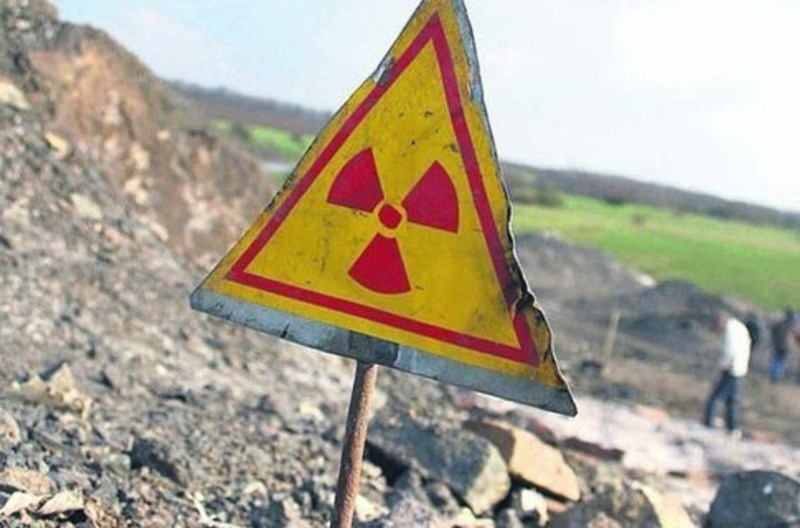
Second Environmental Performance Review of Tajikistan released by the United Nations Econmic Commission for Europe in 2012, in particular, notes that waste storage remains one of the main problems of Tajikistan.  Approximately 54.8 million tons of waste from past uranium mining operations are reportedly still located in unsecured sites in northern Tajikistan, a number of them close to Khujand, the country's second-largest city.  The largest single dump site, containing some 12 million tons of radioactive waste, is in the town of Taboshar, north of Khujand.

The company Vostokredmet was established in 1945 in Leninabad (now Khujand) for processing uranium ore from Kyrgyzstan, Tajikistan and Uzbekistan. During the period of its operation, some 35,000 m3 of low-level radioactive waste was accumulated on its territory.

More than 50 million tons of radioactive waste is reportedly stored in 10 tailing dumps in the northern Sughd province. 

In September 2017, the International Atomic Energy Agency (IAEA) and partners including the European Commission (EC) and the European Bank of Reconstruction and Development (EBRD) signed a joint commitment this week on coordinating efforts to achieve the safe and sustainable environmental remediation of Uranium Legacy Sites (ULS) in Central Asia.  

Uranium mining and processing were prevalent in Central Asia from the mid-1940s to the 1990s, when planning for end-of-life management was not common.  As a result, residues of radioactive and toxic contaminants pose ongoing threats to the health and the livelihood of people in the region, as do abandoned mines and processing infrastructure.


Join us on social media!

Article translations:

Related Article

Оби зулол
Оби зулол

Most Read

Акика Алиф

Recent Articles

In Tajikistan, a unique surgery was performed for the first time on a child with an extremely rare pathology

Tajik and Russian surgeons successfully performed the most complex reconstruction of the bladder and abdominal wall for a child with recurrent exstrophy.

The ministry of health states that hantavirus does not threaten Tajikistan

Cases of infection with this virus were detected on board the cruise liner Hondius near the Canary Islands.

Tajikistan lags behind other Central Asian countries in number of chain hotels – study

The Republic remains a niche market with a limited number of quality hotels.

Climate risks threaten food security in Central Asia – FAO

Land degradation reduces agricultural productivity. The loss of biodiversity weakens the ecosystems that farmers, livestock breeders, and rural communities depend on.

Potential or illusion? Why the world overlooks Tajikistan’s mineral wealth

The republic may indeed possess significant reserves of rare metals, but there is a catch...

The case of ousted Kyrgyz security boss classified and moves to court

The former head of the GKNB is charged with violent seizure of power and abuse of official position.

Trump states that Iran’s nuclear program is a higher priority than U.S. citizens’ economic issues

Fluctuations in energy prices led to record inflation in the United States in April, the highest in the past three years.

Foot-and-mouth disease, plague, and flu: Central Asia threatened by transboundary animal diseases

FAO urges Central Asian countries to strengthen coordination and epidemiological surveillance.

Tajikistan approves the second phase of the Electric Transport Development Program; $95 million will be allocated for its implementation.

At this stage, the authorities are focusing on charging infrastructure, services for electric vehicles, and the expansion of the electric bus fleet.

Tajikistan and Kazakhstan to sign roadmap for cooperation in the agrarian sector

The parties are interested in expanding investment cooperation and establishing joint ventures.