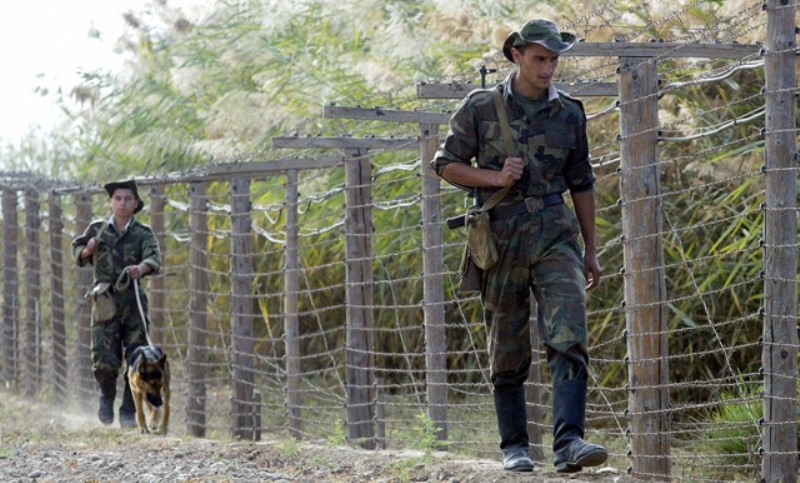
Tajik and Uzbek working groups on delimitation and demarcation of the mutual border held a meeting in the Uzbek capital, Tashkent, from February 24 through March 1. According to the Uzbek Foreign Ministry, the working groups have prepared an annex to a government-to-government agreement between Uzbekistan and Tajikistan on delineation of disputable stretches of the mutual border.
The agreement is expected to be signed during a state visit of Uzbek President Shavkat Mirziyoyev to Tajikistan, which is scheduled on March 9-10 this year.
As it had been reported earlier, during a visit of Uzbek Prime Minister Abdulla Aripov to Dushanbe that took place on January 10 Tajikistan and Uzbekistan agreed to visa-free travel and other border-crossing measures. Tajik Prime Minister Qohir Rasoulzoda and his Uzbek counterpart, Abdulla Aripov, agreed to finalize and sign the new border protocols in the near future.
The new border regulations allow Tajik citizens to visit Uzbekistan and Uzbek citizens to visit Tajikistan without visas for up to 30 days.
The regulations also provide for the building of new checkpoints along the border and the opening of several bus links to connect the two nations' towns and cities.
The sides also reached an agreement regarding the disputed dam of the Soviet-era Farhod hydropower station along the border. Under the accord, the land on which the station stands will be Tajik property, while the station itself — including its equipment and infrastructure — will be owned by Uzbekistan.
Recall, the Tajik-Uzbek border delimitation talks have been stalled since February 2009 after Tajikistan rejected Uzbekistan’s proposal to give up some disputed lands to the Tajik side on condition that Tashkent will gain full control of “Farhod” water reservoir along the two countries border.
The first after a break of three yeas border talks between Tajikistan and Uzbekistan took place in Dushanbe on February 21-22, 2012.
On April 24, 2015, top border officials of Tajikistan and Uzbekistan met in the Tajik northern city of Khujand. The two sides reportedly discussed issues around protecting common borders in 2014 and ways of improving the processes of doing so in future. Those included prophylactic and explanatory activities among the population living in border zones; preventing illegal border crossing; upholding signed bilateral protocols on state border protection; and rapidly responding to conflicts, which must be resolved at the level of leaders in border zones via negotiations.
At the end of the meeting, the heads of the two delegations signed an agreement on efficient bilateral cooperation between the respective border services in 2015.
In November 2016, a working group began reviewing solutions to definitively outlining the 16 percent of the 1,332-kilometer border still under discussion.