Kyrgyz security chief hints at potential withdrawal of border guards from Tajik border

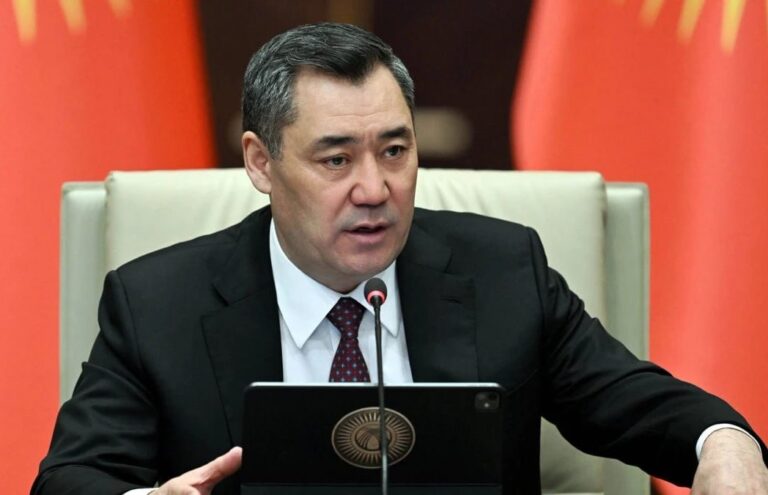
The head of Kyrgyzstan's State Committee for National Security (GKNB), Kamchybek Tashiyev, has suggested that the permanent presence of border guards along the Kyrgyz-Tajik border may soon become unnecessary. His remarks came during the 91st meeting of the Council of Commanders of Border Troops of CIS Member States, held in the Kyrgyz city of Manas […]

Asia-Plus

The head of Kyrgyzstan's State Committee for National Security (GKNB), Kamchybek Tashiyev, has suggested that the permanent presence of border guards along the Kyrgyz-Tajik border may soon become unnecessary. His remarks came during the 91st meeting of the Council of Commanders of Border Troops of CIS Member States, held in the Kyrgyz city of Manas on October 30, according to news agency 24.kg.

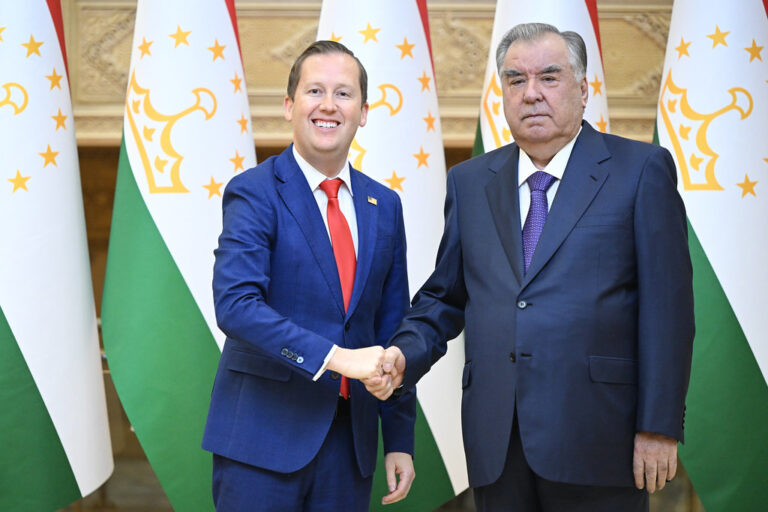
Tashiyev stated that Presidents Emomali Rahmon of Tajikistan and Sadyr Japarov of Kyrgyzstan are working together to create conditions in which citizens of both countries can "live only in friendship."

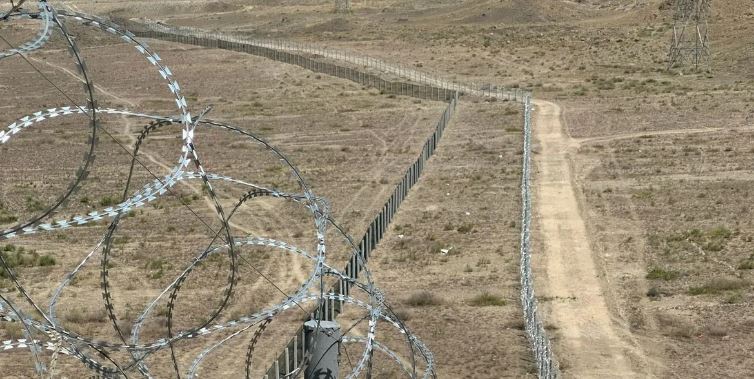
As of September 25, Kyrgyzstan had carried out extensive engineering work along the border, installing over 107 kilometers of barriers, including barbed wire, reinforced concrete posts, and 3D fences. More than 143 kilometers of roads have also been constructed as part of the border infrastructure.

Tajikistan has not yet reported any similar construction or installation of border fencing on its side.
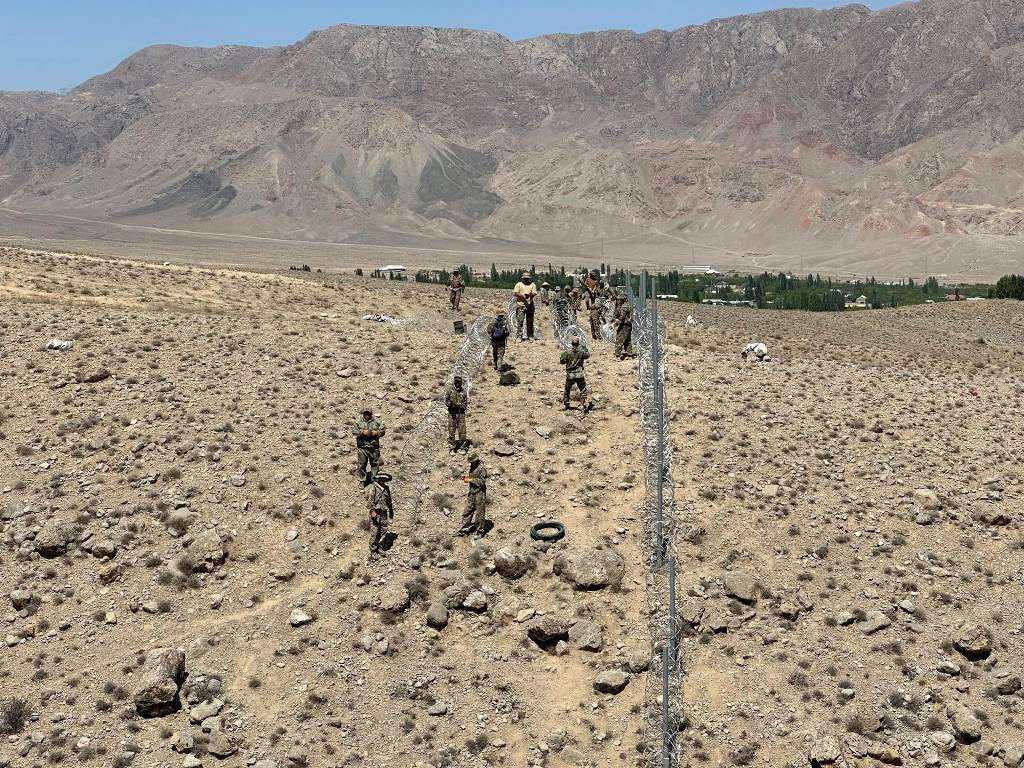
Kyrgyzstan began installing barbed wire fencing along the disputed border area in late April this year, with plans to complete 420 kilometers of fencing by the end of 2025. Over 200 personnel and multiple pieces of specialized equipment have been mobilized for the project, according to Tashiyev.

The total length of the Kyrgyz-Tajik border is 1,008.14 kilometers, with the current fencing phase covering just over 40% of the boundary.

The border agreement signed on March 13 in Bishkek formally concluded the decades-long delimitation process between the two nations.

In a further sign of regional cooperation, a trilateral summit was held on March 31 in Khujand, where the presidents of Kyrgyzstan, Tajikistan, and Uzbekistan signed an agreement on the tri-junction point of their national borders, as well as the Khujand Declaration of Eternal Friendship.

Article translations:

Related Article

Оби зулол

Most Read

Join us on social media!

Recent Articles

Mudflows and dust storms expected in Tajikistan

Citizens are urged to protect themselves from dust.

Russia doubles temporary stay duration for truck drivers from CIS and Georgia

Tajik drivers will have their term increased from 90 to 180 days a year.

How a guide dog project could help people with visual impairments in Tajikistan

In Tajikistan, there is an enthusiast who can build such a school, but he urgently needs help, primarily financial.

Wildberries opened access to the platform for all sellers from Tajikistan

Now local brands, manufacturers, and individual entrepreneurs can enter the largest online platform and expand their sales market.

CMWP Uzbekistan: The boutique hotel market in Tajikistan shows the fastest growth in the region

Such hotels in the republic offer their guests a high level of comfort and convenience.

Emomali Rahmon signs decree on increasing salaries and paying bonuses to IT sector workers

The document provides for the creation of a new incentive system for specialists in the field of information technology.

Not advertising, but influence: what was discussed at IMPACT Creative Night and why businesses need meaning today

Today, audiences trust direct advertising less and less, which means brands have to compete not for attention, but for trust and a place in the agenda.

Russia extends the experiment on collecting biometrics from foreigners

The decision was justified by the necessity of gradually modernizing all border crossing points.

“Convenient, affordable, and cheap”: Dushanbe residents speak out on raids against shared taxis

They say that late at night buses and trolleybuses disappear from the streets, so cheap route taxis remain the only way for many to get home.