Tajik Government, World Bank sign new project to improve irrigation and food security

The Government of Tajikistan and the World Bank yesterday signed a US$16.5 million grant agreement for the Zarafshon Irrigation Rehabilitation and Management Improvement Project aimed to rehabilitate and improve irrigation management in Tajikistan. The project, financed by the Trust Fund of the European Union (EU) will allow farmers in the Zarafshon river basin of northern […]

Asia-Plus

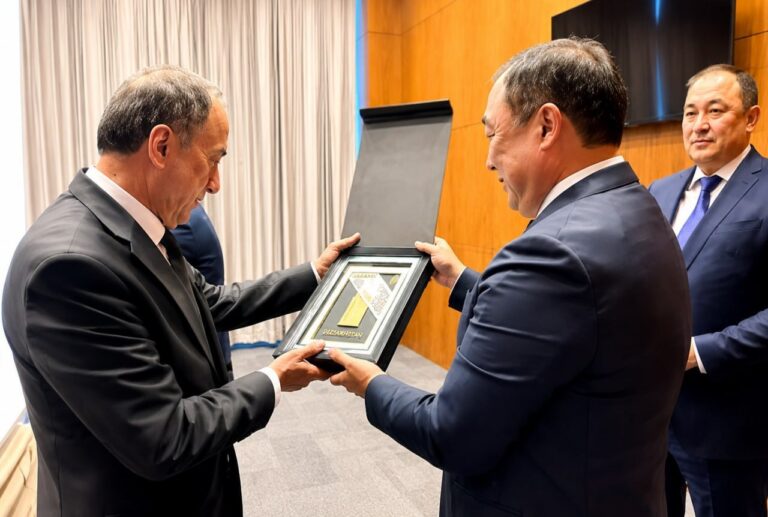
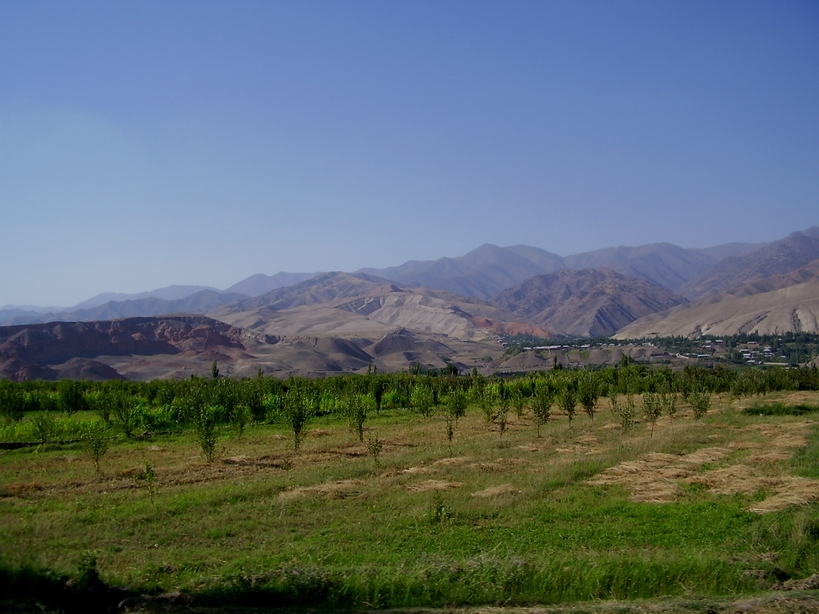
The Government of Tajikistan and the World Bank yesterday signed a US$16.5 million grant agreement for the Zarafshon Irrigation Rehabilitation and Management Improvement Project aimed to rehabilitate and improve irrigation management in Tajikistan. The project, financed by the Trust Fund of the European Union (EU) will allow farmers in the Zarafshon river basin of northern Tajikistan to increase their crops and improve their livelihoods.

According to the World Bank Dushanbe Office, of the total area of potentially irrigable land in the Zarafshon river basin, approximately 40 percent is currently used for low-yielding, rain-fed barley, wheat, and oilseed production. The ability of farmers to increase crop production or shift to higher-value crops is hindered by inefficient irrigation. Deferred maintenance of primary canals and pump stations, sand sedimentation of irrigation infrastructure, unreliable electricity supply, and outdated pumping equipment are some of the reasons for poor irrigation and water losses in Tajikistan.

The Zarafshon Irrigation Rehabilitation and Management Improvement Project is expected to strengthen the infrastructure needed for effective irrigation and water resource management.  The project will fund rehabilitation of irrigation infrastructure, key flood protection works, and feasibility studies for improvement and modernization of irrigation schemes.  In addition, project activities will provide institutional and implementation support for highest-priority irrigation reforms, strengthen the institutional capacity of the Agency on Land Reclamation and Irrigation to respond to floods and mudflows, and support new and existing Water User Associations.

The project is a part of the broader EU-financed Rural Development Program, which includes policy and institutional support to the Ministry of Energy and Water Resources of Tajikistan and a community support component to be implemented in the same river basin.

The World Bank’s active portfolio in Tajikistan includes 19 projects, with a net commitment of US$615.9 million.  
Article translations:

Related Article

Оби зулол

Most Read

Join us on social media!

Recent Articles

Mudflows and dust storms expected in Tajikistan

Citizens are urged to protect themselves from dust.

Russia doubles temporary stay duration for truck drivers from CIS and Georgia

Tajik drivers will have their term increased from 90 to 180 days a year.

How a guide dog project could help people with visual impairments in Tajikistan

In Tajikistan, there is an enthusiast who can build such a school, but he urgently needs help, primarily financial.

Wildberries opened access to the platform for all sellers from Tajikistan

Now local brands, manufacturers, and individual entrepreneurs can enter the largest online platform and expand their sales market.

CMWP Uzbekistan: The boutique hotel market in Tajikistan shows the fastest growth in the region

Such hotels in the republic offer their guests a high level of comfort and convenience.

Emomali Rahmon signs decree on increasing salaries and paying bonuses to IT sector workers

The document provides for the creation of a new incentive system for specialists in the field of information technology.

Not advertising, but influence: what was discussed at IMPACT Creative Night and why businesses need meaning today

Today, audiences trust direct advertising less and less, which means brands have to compete not for attention, but for trust and a place in the agenda.

Russia extends the experiment on collecting biometrics from foreigners

The decision was justified by the necessity of gradually modernizing all border crossing points.

“Convenient, affordable, and cheap”: Dushanbe residents speak out on raids against shared taxis

They say that late at night buses and trolleybuses disappear from the streets, so cheap route taxis remain the only way for many to get home.