The list of West-produced goods subject to sanctions imposed by the West on the Russian Federation is being extended with each passing month. Some Russian companies are currently seeking goods in Tajikistan to replace them.
Inventure says more than 500 foreign companies have curtailed operations in Russia and more than 70 other foreign countries have partially educed their positions and workforce due to the so-called “special military operation” launched by Russia in Ukraine on February 24.
Russian distributors and marketing promoters are seeking replacement for personal care products and medical goods in CIS member nations, including Tajikistan.
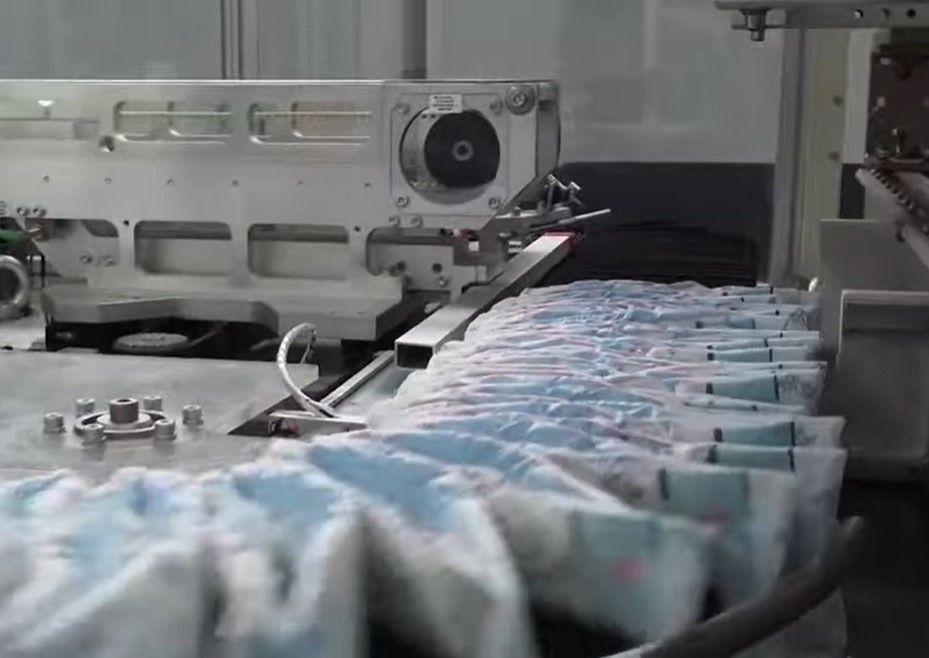
Thus, one of such companies, Noxon LLC, is trying to organize import of such goods from Tajikistan, produced by Danghara-based Pharm Tex and Dushanbe-based Afzaliyat Group LLC.
Pharm Tex produces more than 13 items of consumer goods, including nappies, bondages, sticking plasters and other goods.
Afzaliyat Group LLC produces nappies under the brand of Comfort Baby.
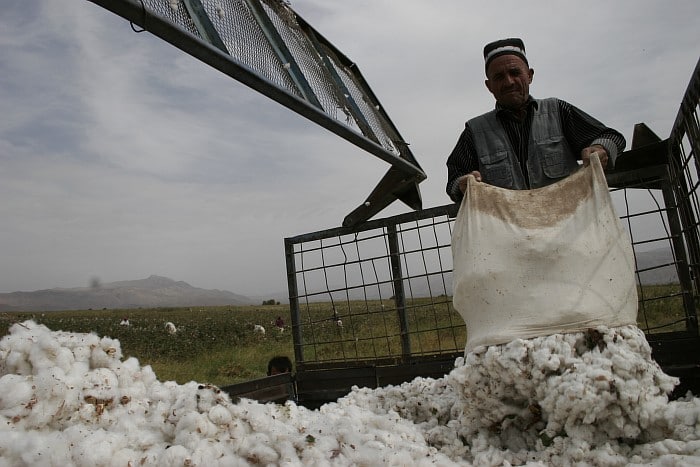
Essity uses cellulose for production of nappies, while Noxon LLC intends to organize import of cotton-based nappies from Tajikistan.
“We are currently conducting negotiations with Tajik entrepreneurs. We take into consideration all possible consequences and risks that can occur after Essity has curtailed operations in Russia,” Radion Bykov, First Deputy CEO of Noxon LLC, told Asia-Plus in an interview.
“Tajikistan and Uzbekistan have great potential for production of this product because have their own raw cotton,” Bykov said, adding that the Tajik side is interested in exporting its products.
Meanwhile, Alexander Biryukov, representative of Russian company Istochink, which is engaged in selling and distributing soft drinks and drinking waters, says Tajikistan could also export its soft drinks and mineral waters to the Russian Federation.

“Tajik soft drinks are in great demand in Russia. Mostly Tajik restaurants, shops, hostels, suburban cafes and some other facilities purchase you’re your products,” said Biryukov. “Our company is ready to assist in the sale of your products, instead of the outgoing American products.”
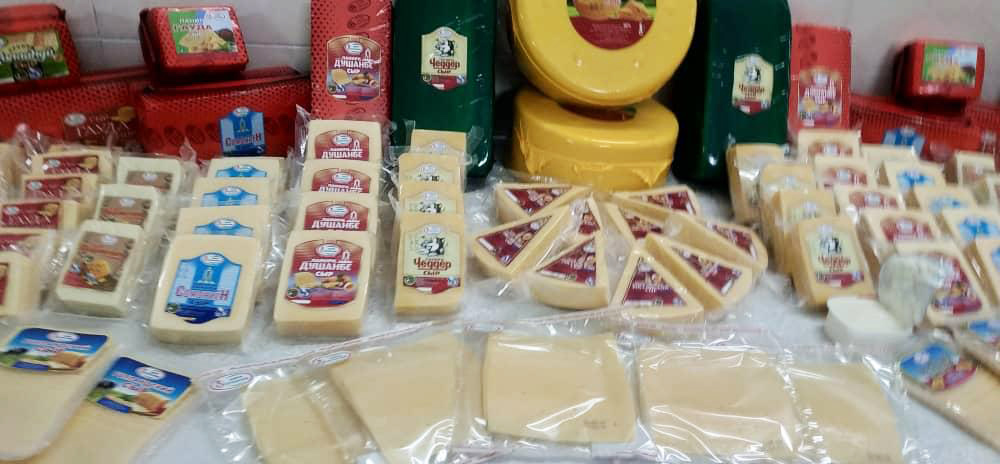
According to him, Tajik cheeses could cover cheese shortages in the Russian market.